
Car Maintenance from Scratch: What Every New Driver Needs to Know

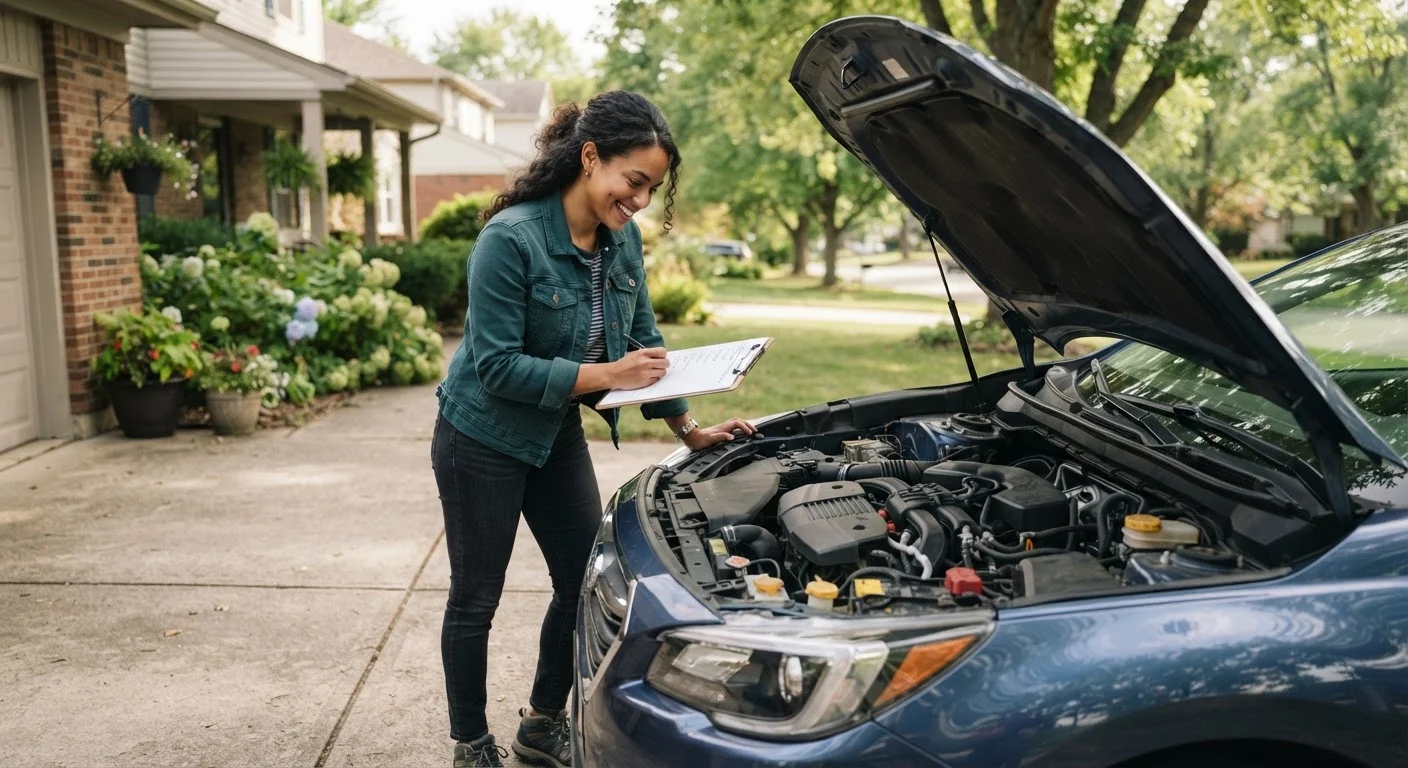
Photo: TheSearchHound.com | One Stop Answer To All Your Questions editorial
Key Takeaways
- Routine maintenance prevents most common breakdowns and extends the life of your vehicle.
- Your owner's manual is the single most reliable source for service intervals specific to your car.
- Several basic checks - tires, fluids, lights - can be done safely at home without special tools.
- Dashboard warning lights are your car's way of communicating; never ignore them.
- Knowing your limits protects both your safety and your vehicle - some jobs need a professional.
Why Maintenance Matters from Day One
Most vehicle breakdowns aren't random - they're the result of deferred or missed maintenance. For new drivers, understanding this early is one of the most practical things you can do. A car that's well cared for is safer, more reliable, and costs less to run over time.
Think of maintenance not as a chore but as a series of small checks that protect a significant investment. Whether you own your car outright or are making monthly payments, keeping it in good shape matters financially and physically. And being engaged with your vehicle - knowing what's normal and what isn't - makes you a more confident, capable driver overall. For a broader look at how safe habits and vehicle awareness connect, see our safe driving tips hub.
Start With a Walk-Around Habit
The Core Tasks Every Driver Should Know
You don't need mechanical training to handle the fundamentals. These are the checks and tasks most drivers can do safely at home:
- Tire pressure: Use an inexpensive pressure gauge to check all four tires monthly, including the spare. Your vehicle's recommended pressure (in PSI) is printed on a sticker inside the driver's door jamb - not on the tire sidewall.
- Fluid levels: Engine oil, coolant, brake fluid, and windshield washer fluid all have reservoirs that can be visually checked. Low or dirty fluid is often an early warning sign. Our guide to checking your fluids walks you through each one step by step.
- Wiper blades: If blades streak or skip, they need replacing. Most auto parts stores carry universal-fit blades with simple installation instructions.
- Exterior lights: Walk around your car periodically to confirm all lights - headlights, taillights, turn signals, and brake lights - are functioning.
These tasks take under 20 minutes combined and can prevent far larger problems. For items that go beyond this list, see our article on maintenance tasks drivers frequently overlook.
Reading Your Dashboard and Owner's Manual
Your dashboard is your car's primary communication channel. Warning lights use a color system: green or blue indicators are informational, yellow or amber signals a non-emergency issue that needs attention soon, and red lights indicate something that should be addressed immediately.
Common lights new drivers encounter include the check engine light (a broad indicator covering many potential issues), the oil pressure warning, the battery light, and the tire pressure monitoring system (TPMS) light. Never assume a warning light will resolve on its own.
One Manual, Many Answers
Your owner's manual - usually found in the glove compartment - is the definitive guide to your specific vehicle. It lists every warning symbol, all service intervals, fluid specifications, and tire size. If you've misplaced yours, most manufacturers make digital versions available through their official websites. Make reading the relevant sections a priority before a warning light forces the issue.
When to DIY and When to Call a Mechanic
Knowing your limits is as important as knowing the basics. Some maintenance tasks are genuinely approachable for beginners; others carry real safety risk if done incorrectly. Tasks involving brake components, suspension, steering, or anything that requires lifting the vehicle should generally be handled by a qualified mechanic unless you have proper training and equipment.
A useful rule: if a mistake could affect your ability to stop or steer the vehicle, it's not the place to experiment. Our in-depth article on DIY car maintenance limits offers a balanced look at what's reasonable for home mechanics versus what's best left to professionals.
When in doubt, get a second opinion. A reputable mechanic will explain what needs doing and why - and a good explanation is always worth asking for.
Building a Simple Maintenance Routine
Consistency is the goal. A simple schedule built around your driving habits removes the guesswork and keeps nothing from slipping through the cracks.
- Monthly
- Check tire pressure, inspect fluid levels visually, and test all exterior lights.
- Every 3,000-7,500 miles
- Oil and filter change - interval depends on your vehicle and oil type. Follow your owner's manual, not general rules of thumb.
- Every 6-12 months
- Rotate tires, inspect wiper blades, check battery terminals for corrosion.
- Annually or per manual guidance
- Replace cabin and engine air filters, inspect brake pads, have belts and hoses checked.
Keep a simple log - even a notes app on your phone - recording what was done and when. This is especially useful when you bring the car to a shop, and it helps track patterns if something starts going wrong. Building these habits now, as a newer driver, sets a foundation that pays off for the entire life of your vehicle. You can also explore how these practices connect to broader vehicle literacy at our Understanding Your Car hub.
Frequently Asked Questions
The content on this site is provided for informational purposes only and should not be considered a substitute for professional advice. While we strive to provide accurate and up-to-date information, we make no guarantees regarding its completeness or accuracy. Always consult a qualified professional for advice specific to your circumstances before making any decisions.