
DIY Car Maintenance: Knowing Where Your Limits Safely Lie

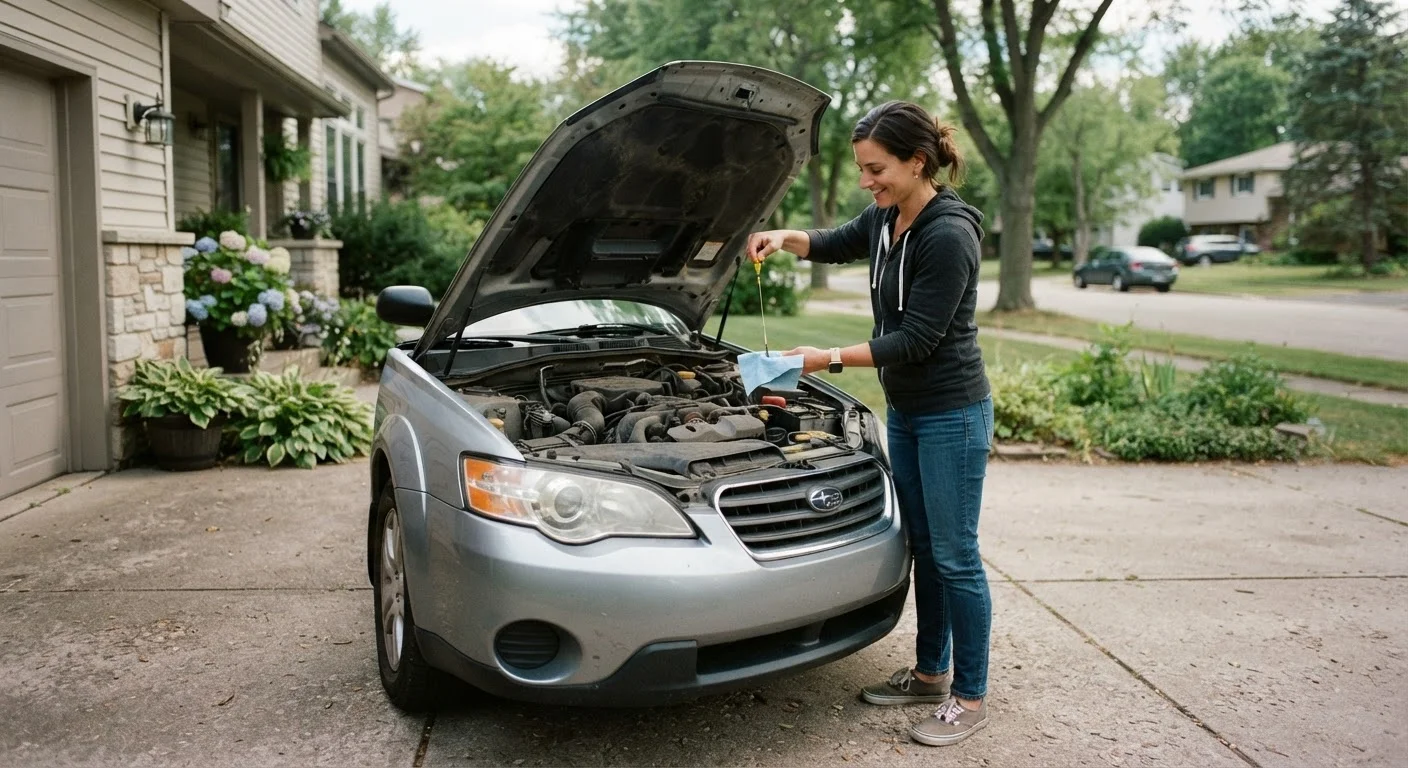
Photo: TheSearchHound.com | One Stop Answer To All Your Questions editorial
Key Takeaways
- Routine tasks like fluid checks, air filters, and wiper blades are safe for most drivers to handle at home.
- Brake systems, suspension components, and electrical work carry real injury risk and should involve a qualified mechanic.
- DIY maintenance can save money, but mistakes on safety-critical systems can cost far more to correct.
- Having the right tools and a reliable repair manual specific to your vehicle makes a significant difference.
- When in doubt, a diagnostic visit to a mechanic is safer and often cheaper than a misguided DIY attempt.
Reduces routine maintenance costs meaningfully
Labor costs at auto shops are substantial; handling straightforward tasks like oil changes, air filter swaps, and wiper replacements at home can reduce annual maintenance spending.
Builds genuine understanding of your vehicle
Drivers who regularly inspect and maintain their own cars tend to notice problems earlier - unusual sounds, fluid leaks, or worn components - before they escalate into costly repairs.
Flexibility to work on your own schedule
DIY maintenance doesn't require a service appointment, which is especially valuable for time-sensitive tasks like a burned-out bulb or low windshield washer fluid before a long trip.
Empowers informed conversations with mechanics
When you understand what's been maintained and what hasn't, you're far better positioned to evaluate a shop's recommendations and avoid unnecessary upsells.
Safety-critical errors can have serious consequences
Mistakes involving brakes, steering, or suspension don't just damage the car - they can create dangerous conditions for the driver, passengers, and others on the road.
Upfront tool costs can offset savings
Certain tasks require specialty tools - torque wrenches, OBD-II scanners, or hydraulic jacks - that represent real expense for a job you may only perform once or twice.
Incorrect repairs may void warranty coverage
On newer vehicles still under manufacturer or extended warranty, improperly performed maintenance or the use of non-approved parts can complicate or invalidate warranty claims.
Diagnosing the root cause is often harder than the fix
Many DIY attempts stall not at the repair itself, but at correctly identifying what's wrong - misdiagnosis can lead to replacing parts that weren't the actual problem.
Why DIY Car Maintenance Appeals to Everyday Drivers
There's a practical appeal to handling your own car maintenance: lower costs, greater independence, and a better understanding of how your vehicle works. For many drivers, learning to check fluids or swap out a cabin air filter is the first step toward feeling genuinely in control of their car rather than at the mercy of a service schedule.
If you're newer to vehicle ownership, a solid introduction to car upkeep can help you build a foundation before picking up tools. Starting with low-stakes tasks builds real competence - and helps you recognize when something is beyond your current skill level.
Reduces routine maintenance costs meaningfully
Labor costs at auto shops are substantial; handling straightforward tasks like oil changes, air filter swaps, and wiper replacements at home can reduce annual maintenance spending.
Builds genuine understanding of your vehicle
Drivers who regularly inspect and maintain their own cars tend to notice problems earlier - unusual sounds, fluid leaks, or worn components - before they escalate into costly repairs.
Flexibility to work on your own schedule
DIY maintenance doesn't require a service appointment, which is especially valuable for time-sensitive tasks like a burned-out bulb or low windshield washer fluid before a long trip.
Empowers informed conversations with mechanics
When you understand what's been maintained and what hasn't, you're far better positioned to evaluate a shop's recommendations and avoid unnecessary upsells.
The Real Risks: Where DIY Can Go Wrong
Not every maintenance task belongs in the driveway. Some jobs look straightforward but involve systems where a small error creates a serious safety hazard. Brake pad replacement, for instance, requires precise torque specs, correct hardware orientation, and an understanding of how the caliper, rotor, and line interact. An improperly bled brake system or a misaligned caliper can lead to brake failure on the road.
Similarly, any work near fuel lines, airbag components, or the vehicle's computer systems carries compounding risk. Electrical faults can cause fires; disturbing an airbag sensor incorrectly can trigger accidental deployment. These aren't hypotheticals - they're documented outcomes of well-intentioned but uninformed repairs.
Safety-critical errors can have serious consequences
Mistakes involving brakes, steering, or suspension don't just damage the car - they can create dangerous conditions for the driver, passengers, and others on the road.
Upfront tool costs can offset savings
Certain tasks require specialty tools - torque wrenches, OBD-II scanners, or hydraulic jacks - that represent real expense for a job you may only perform once or twice.
Incorrect repairs may void warranty coverage
On newer vehicles still under manufacturer or extended warranty, improperly performed maintenance or the use of non-approved parts can complicate or invalidate warranty claims.
Diagnosing the root cause is often harder than the fix
Many DIY attempts stall not at the repair itself, but at correctly identifying what's wrong - misdiagnosis can lead to replacing parts that weren't the actual problem.
When to Stop and Call a Professional
How to Know Whether a Task Is in Your Range
A useful rule of thumb: if a mistake could prevent the car from stopping, steering, or protecting occupants in a crash, that task warrants professional hands. Routine upkeep - checking and topping off fluids, replacing wiper blades, swapping cabin or engine air filters, rotating tires with the right equipment - is genuinely manageable for most drivers willing to follow their vehicle's owner manual.
Checking your vehicle's essential fluids is one of the most impactful habits you can build, and it requires no special mechanical knowledge. On the other hand, if a dashboard warning light comes on for the ABS, airbag, or transmission, a diagnostic scan at a shop will almost always give you more reliable information than a home guess.
~35%
Share of car repairs attempted by owners at home
Industry surveys consistently suggest roughly a third of vehicle owners attempt at least some maintenance themselves, with fluid checks and filter replacements among the most common tasks.
$100-$150
Typical shop labor rate per hour in the US
Average labor rates at independent repair shops and dealerships vary by region, but the difference in cost between DIY and professional work is most pronounced on time-intensive tasks.
Building a Smarter DIY Approach
Success with home maintenance comes down to preparation. A vehicle-specific repair manual - not just a generic guide - is the single most important tool you can own. These manuals include torque specifications, part numbers, and safety warnings tailored to your exact make, model, and year. Equally important is having the right equipment: a quality floor jack and jack stands (never rely solely on a scissor jack for under-car work), the correct socket sizes, and for fluid-based jobs, the manufacturer-specified fluid type.
It's also worth knowing that the DIY-vs-professional decision isn't binary. Many drivers successfully handle their own oil changes and inspections while routinely leaving brake, suspension, and alignment work to a qualified shop. That split is entirely reasonable - and reflects how many professional mechanics approach their own vehicles.
This article is for general informational purposes only. Always consult your vehicle's owner manual and, when in doubt, seek the advice of a licensed automotive professional before performing any maintenance or repair.
The content on this site is provided for informational purposes only and should not be considered a substitute for professional advice. While we strive to provide accurate and up-to-date information, we make no guarantees regarding its completeness or accuracy. Always consult a qualified professional for advice specific to your circumstances before making any decisions.