
Key Questions to Ask Before Agreeing to a Repair at the Shop

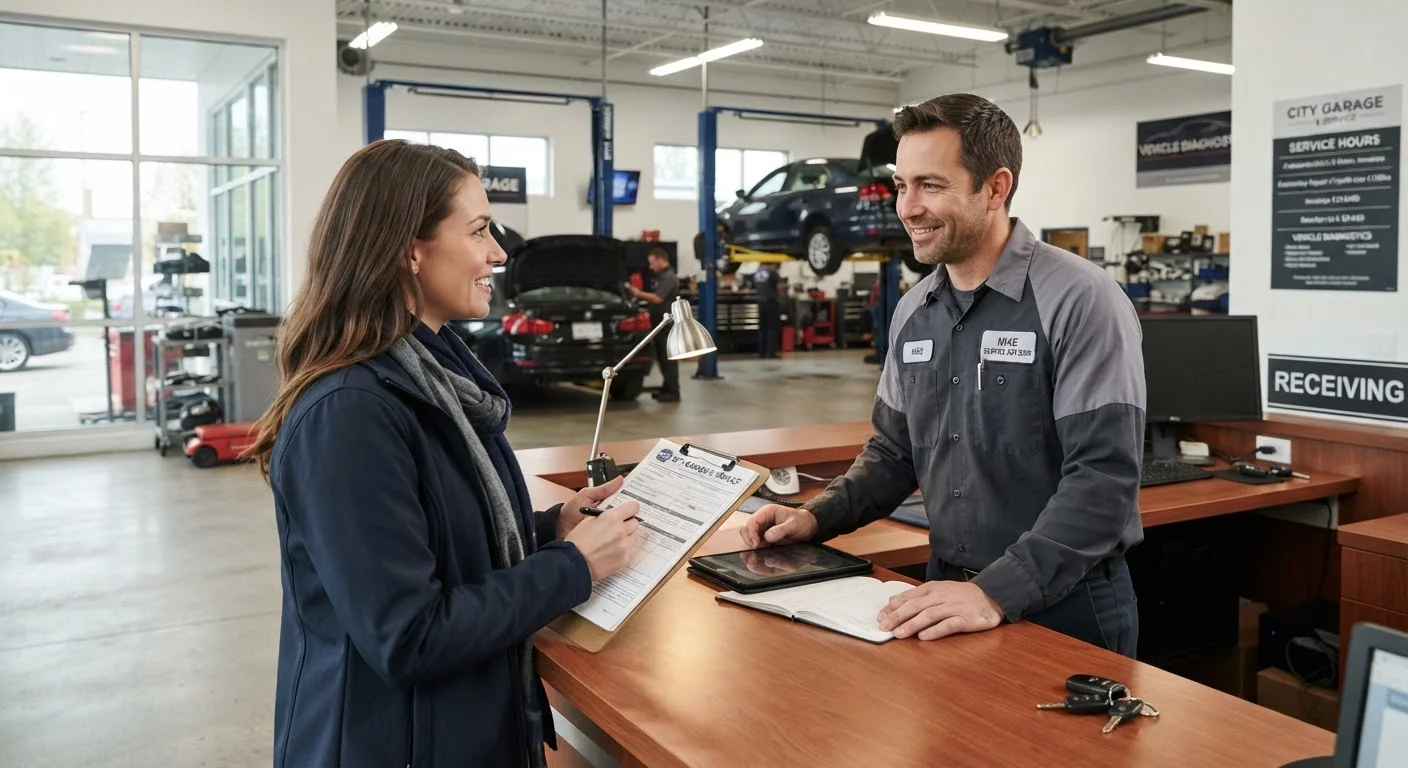
Photo: TheSearchHound.com | One Stop Answer To All Your Questions editorial
Key Takeaways
- Always request a written estimate before authorizing any repair work.
- Ask whether the repair is necessary now or can be safely deferred.
- Understand whether OEM or aftermarket parts will be used and why it matters.
- Confirm what warranty or guarantee covers the completed repair.
- A second opinion is always reasonable for costly or unfamiliar diagnoses.
Why Your Questions Matter Before You Sign
Most drivers feel a quiet pressure at the auto shop - the car is already there, a problem has been identified, and the mechanic is waiting for an answer. That pressure can lead to rushed decisions that cost more than necessary or authorize work that wasn't actually urgent.
Walking in with a prepared set of questions shifts the dynamic. It signals that you're an informed customer and it gives you the information needed to make a sound decision. This checklist covers every category worth addressing - from the diagnosis itself to parts, labor, warranty, and payment - so nothing important slips through.
For context on how this kind of pre-commitment questioning applies across major spending decisions, see Questions Worth Asking Before Any Major Purchase.
Understanding the Diagnosis
Cost and Authorization
Parts and Labor
Urgency and Alternatives
Warranty and Recourse
Tools and Documents to Bring With You
Coming prepared with the right materials makes these conversations more productive. A mechanic can give you more precise answers when you can show them the vehicle history, and having your own notes keeps you from relying on memory under pressure.
Vehicle maintenance log or service records
Helps the shop see what repairs have already been done and avoids duplicating recent work.
Owner's manual
Contains manufacturer-recommended service intervals and part specifications relevant to any repair discussion.
Warranty documentation
Confirms whether the repair may be covered under an existing factory or extended warranty.
Notepad or phone notes app
Lets you record the mechanic's explanations, part names, and cost figures accurately for follow-up or comparison.
If your vehicle is still under a factory or extended warranty, bring that documentation as well - some repairs may be covered without any out-of-pocket cost, and shops are required to honor valid warranty claims.
Never Authorize Work Verbally Without a Written Estimate
How to Use This Checklist at the Shop
Run through these questions before you verbally or in writing authorize any work. You don't need to ask every single one for a routine oil change - but for any repair estimated above a few hundred dollars, or any repair you didn't anticipate, the full list is worth working through.
Keep in mind that a reputable shop will welcome these questions. Pushback or impatience when you ask for written documentation, a clear diagnosis, or part sourcing details is itself useful information about whether you're in the right place.
The same principle applies when dealing with car maintenance decisions more broadly - informed customers get better outcomes. And if you're evaluating any warranty coverage related to parts installed during a repair, understanding what to evaluate in warranties and after-sale support can help you ask sharper follow-up questions.
This article is for general informational purposes only. Repair needs, costs, and timelines vary by vehicle, region, and shop. Consult a qualified mechanic for guidance specific to your vehicle's condition.
The content on this site is provided for informational purposes only and should not be considered a substitute for professional advice. While we strive to provide accurate and up-to-date information, we make no guarantees regarding its completeness or accuracy. Always consult a qualified professional for advice specific to your circumstances before making any decisions.