
The 50/30/20 Rule Explained: Does This Classic Framework Still Hold Up?

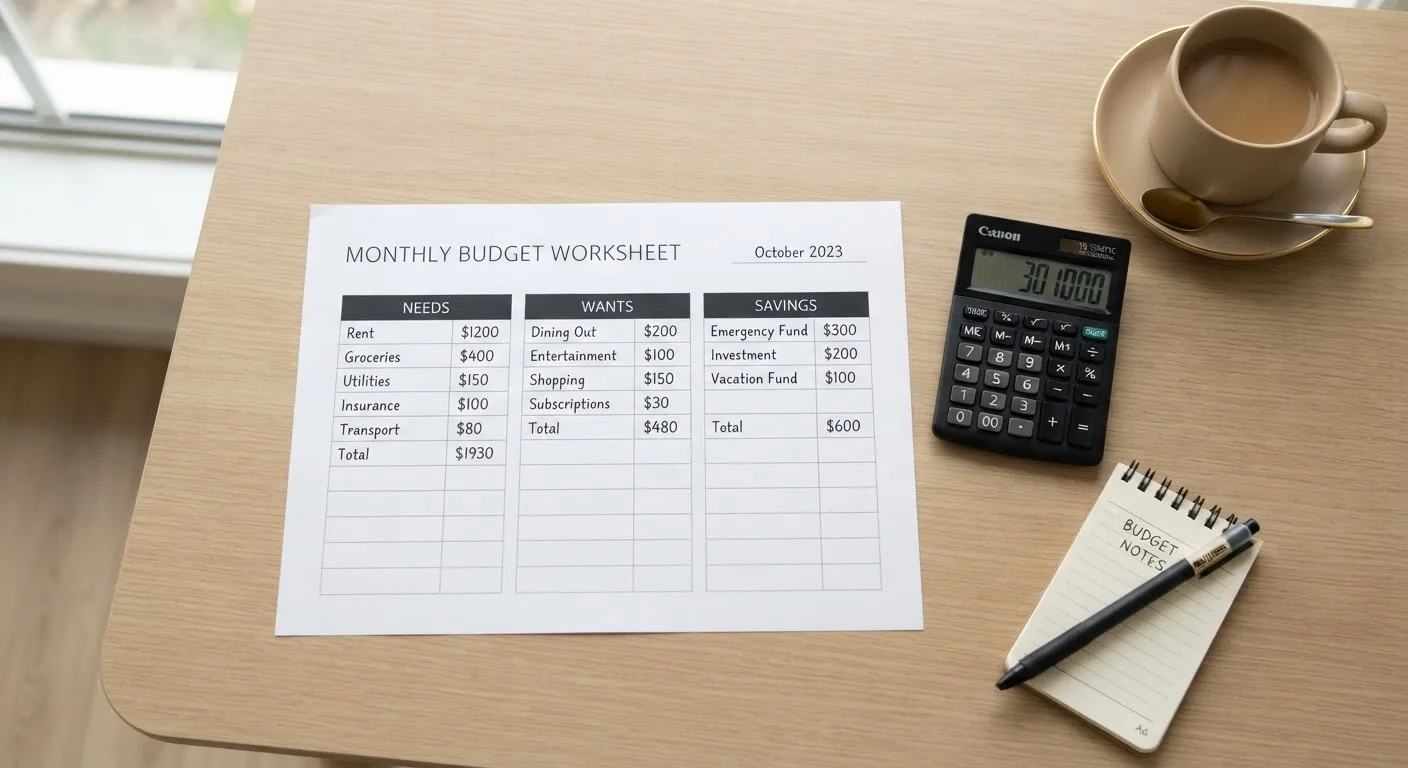
Photo: TheSearchHound.com | One Stop Answer To All Your Questions editorial
Key Takeaways
- The 50/30/20 rule splits after-tax income into needs, wants, and savings using fixed percentage targets.
- It works best as a starting framework, not a rigid rule - most households will need to adjust the ratios.
- High housing costs in many U.S. cities make the 50% needs threshold difficult to stay within.
- The 20% savings and debt category should be prioritized when carrying high-interest debt.
- The rule's simplicity is its biggest strength: it reduces budgeting friction and helps people start.
How the Three Buckets Work
The 50/30/20 framework begins with one figure: your after-tax income - what actually lands in your bank account each month after federal, state, and payroll taxes are withheld. If your paycheck varies, use a conservative monthly average.
From that number, the rule suggests three allocations:
- 50% - Needs: Rent or mortgage, groceries, utilities, transportation to work, health insurance premiums, and minimum debt payments. These are obligations you cannot easily eliminate.
- 30% - Wants: Dining out, streaming services, gym memberships, travel, and clothing beyond basics. These are real spending categories, not luxuries to feel guilty about - they're just discretionary.
- 20% - Savings and debt repayment: Emergency fund contributions, retirement account deposits, and extra payments on debt above the required minimum.
For someone with $4,000 in monthly take-home pay, that translates to $2,000 for needs, $1,200 for wants, and $800 for savings. The math is intentionally straightforward. Before applying any framework, it helps to challenge common budgeting myths that might be holding you back from starting at all.
30%+
Renters spending over 30% of income on housing
The U.S. Department of Housing and Urban Development defines households spending more than 30% of income on housing as "cost-burdened" - a threshold nearly half of U.S. renters exceed, according to Harvard's Joint Center for Housing Studies.
20%
Recommended savings and debt repayment share
The 50/30/20 framework allocates this share to savings, retirement, and debt beyond minimum payments - aligning broadly with the general financial planning principle of saving at least 15-20% of gross income for retirement.
$1,400
Median U.S. monthly rent (approximate)
Median asking rents in the U.S. have remained elevated well above pre-pandemic levels, putting significant pressure on the 50% needs threshold for many lower- and middle-income households.
Where the Framework Runs Into Real-World Friction
The 50/30/20 rule was designed when housing costs consumed a smaller share of household income. In many U.S. metro areas today, rent alone can exceed 30-40% of take-home pay - before groceries, car payments, or utilities are factored in. That structural pressure makes the 50% needs threshold functionally unreachable for a significant portion of renters.
A few other common sticking points:
- Variable income: Freelancers, gig workers, and those paid hourly may struggle to apply fixed percentages month to month.
- Debt load: Someone carrying substantial student loan or medical debt may find the 20% savings bucket consumed entirely by debt payments, leaving nothing for emergency savings or retirement.
- Household size: A single adult has very different fixed costs than a family of four on the same gross income.
None of these limitations disqualify the framework - they simply signal when to adapt it. The needs vs. wants distinction is foundational here: accurately categorizing expenses is the prerequisite to making any budget structure work honestly.
Start With One Month of Real Numbers
When and How to Adapt the Percentages
Treating the 50/30/20 split as a flexible guideline rather than a fixed rule makes it far more durable. Consider these common adjustments:
- High-cost-of-living area: Shift needs to 60% and trim wants to 20%, keeping savings intact if possible.
- Aggressive debt payoff phase: Redirect funds from wants to the 20% bucket temporarily - 50/15/35 prioritizes debt paydown without abandoning structure.
- Early career or low income: Even a 5% savings rate is a starting point. The framework is most useful when it motivates action, not when it produces shame for falling short of an arbitrary benchmark.
If your budget has drifted or circumstances have changed significantly, recognizing when a budget needs a reset is the next skill to develop. The goal isn't perfect compliance with a percentage - it's building a reliable system that reflects your actual life.
“The 50/30/20 plan gives people a template they can actually follow. The simple structure allows families to understand for the first time whether they are spending in line with their values - or not.”
— Elizabeth Warren, U.S. Senator and co-author of 'All Your Worth'
This article is for general informational purposes only and does not constitute personalized financial advice. Consult a qualified financial professional for guidance specific to your situation.
Frequently Asked Questions
The content on this site is provided for informational purposes only and should not be considered a substitute for professional advice. While we strive to provide accurate and up-to-date information, we make no guarantees regarding its completeness or accuracy. Always consult a qualified professional for advice specific to your circumstances before making any decisions.