
Mobility, Flexibility, and Stretching: What's the Difference?

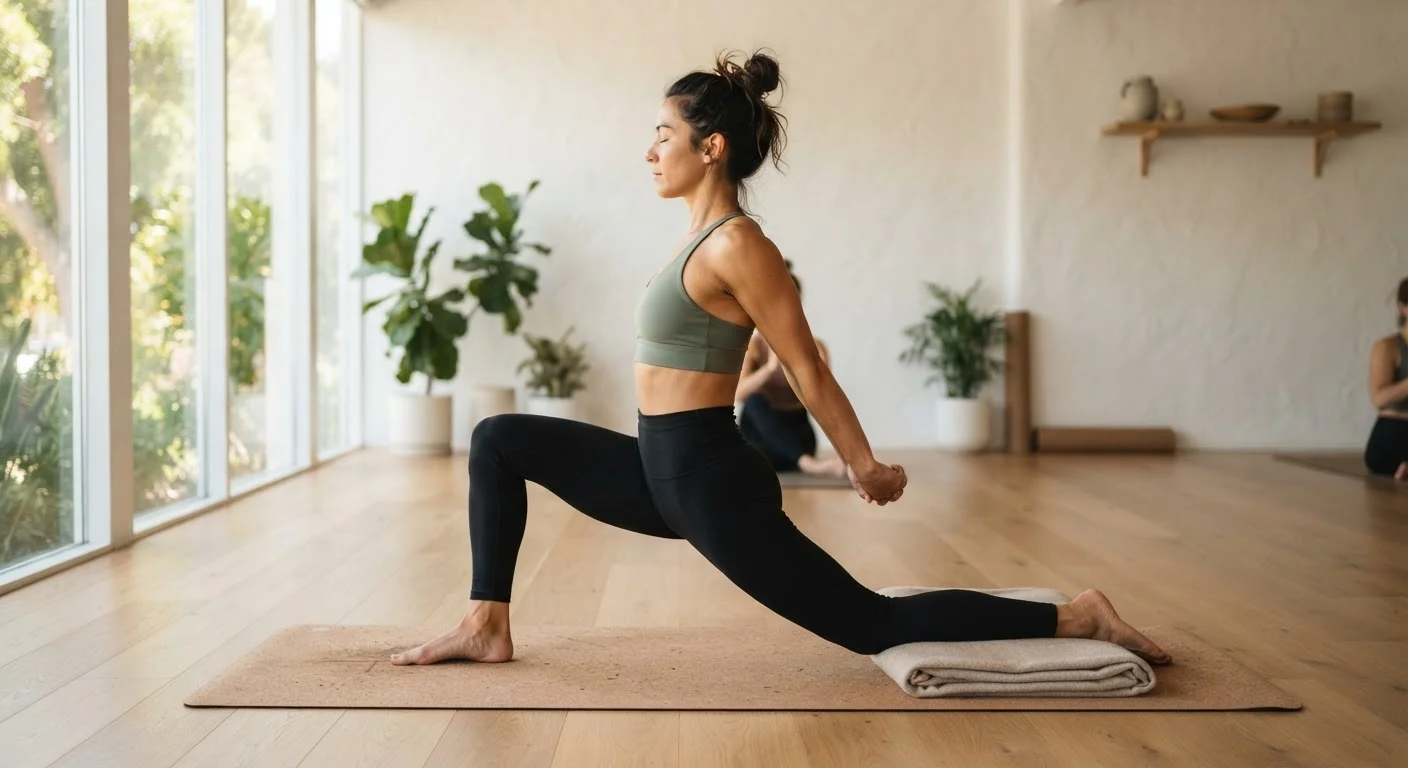
Photo: TheSearchHound.com | One Stop Answer To All Your Questions editorial
Why These Distinctions Matter
Walk into most gyms or scroll through a fitness app and you'll see the words flexibility, mobility, and stretching used as if they mean the same thing. They don't - and understanding the difference can meaningfully change how you approach your movement routine.
This isn't just a matter of vocabulary. Someone who is highly flexible isn't automatically mobile. Someone who stretches regularly may still lack the functional joint control that keeps them safe during everyday activities. Getting clear on these three concepts helps you train smarter, reduce injury risk, and build habits that actually serve your body over time.
Flexibility
The passive ability of a muscle or group of muscles to lengthen. It describes how far a muscle can be stretched, typically with external assistance or gravity, without active control from the body.
Mobility
The ability to move a joint through its full range of motion actively and with control. Mobility combines flexibility, strength, and neuromuscular coordination.
Stretching
A deliberate technique used to elongate muscles and connective tissue. Stretching can be static (held), dynamic (movement-based), or facilitated by a partner, and is a common tool for developing flexibility.
Range of Motion (ROM)
The full arc of movement available at a joint. Range of motion can be passive (moved by an external force) or active (controlled by the person's own muscles).
Dynamic Stretching
Controlled, movement-based stretches that take a joint through its range of motion repeatedly. Commonly used as part of a warm-up because they engage muscles actively rather than holding a static position.
Static Stretching
Holding a stretched position for a set period, typically 20-60 seconds. Most effective for improving flexibility when performed after activity, when muscles are already warm.
Think of it this way: flexibility is a quality your muscles can have, mobility is a quality your joints can demonstrate, and stretching is a method - one tool among several - used to develop both.
Flexibility vs. Mobility: Not the Same Thing
Flexibility is passive. It describes how far a muscle can lengthen when an external force - gravity, a partner, or a prop - is applied. A person who can touch their toes while relaxed on a foam roller has a certain level of hamstring flexibility. That's useful, but it's only part of the picture.
Mobility is active. It measures whether your nervous system and surrounding muscles can control movement through that same range. A person with excellent hip mobility can move their hip joint smoothly, with strength and stability, through its full arc of motion - not just when assisted, but under their own power.
Here's the practical gap: imagine someone who can stretch their hamstrings deeply in a passive position but can't maintain a neutral spine when deadlifting or picking something off the floor. Plenty of flexibility, limited mobility. Mobility training fills that gap by combining flexibility with neuromuscular control and strength.
These Terms Are Often Used Loosely
This distinction matters especially for people building activity routines after a period of inactivity. See our guide to low-impact exercise for an accessible starting point that respects both flexibility and mobility goals.
What Stretching Actually Does
Stretching is a technique, not a trait. It's something you do - and there are meaningfully different types.
| Primary goal of flexibility training | Increase the passive length a muscle can reach |
| Primary goal of mobility training | Improve active, controlled movement through a joint's range |
| What stretching develops | Mainly flexibility; contributes to mobility when paired with strength work |
| Best time for static stretching | After exercise or activity, when muscles are warm (American College of Sports Medicine general guidance) |
| Best time for dynamic stretching | Before exercise, as part of a warm-up (American College of Sports Medicine general guidance) |
| Can you be flexible but not mobile? | Yes - flexibility without strength or control limits functional movement |
Static stretching involves holding a position for a period of time. Research generally supports its effectiveness for improving flexibility when practiced consistently, particularly after exercise. Dynamic stretching uses controlled, repetitive movement through a range of motion and is better suited to warm-ups because it activates muscles rather than relaxing them. For more on how these fit into an exercise session, our warming up and cooling down guide covers what each phase is actually for.
Stretching contributes to flexibility and, when combined with strengthening exercises, can support mobility development. But stretching alone won't make you mobile. Mobility also requires training your muscles to be strong and stable in those newly accessible positions - not just reaching them passively.
The practical takeaway: if your goal is to move better in daily life - bending, lifting, rotating - pair your stretching practice with exercises that build strength through a full range of motion. That combination is what translates passive tissue length into real functional capacity.
This article is for general informational purposes only and does not constitute medical or professional fitness advice. Consult a qualified healthcare or fitness professional before beginning any new exercise program, particularly if you have existing injuries or health conditions.
The content on this site is provided for informational purposes only and should not be considered a substitute for professional advice. While we strive to provide accurate and up-to-date information, we make no guarantees regarding its completeness or accuracy. Always consult a qualified professional for advice specific to your circumstances before making any decisions.