
The Stress Response Explained: What Happens Inside Your Body Under Pressure

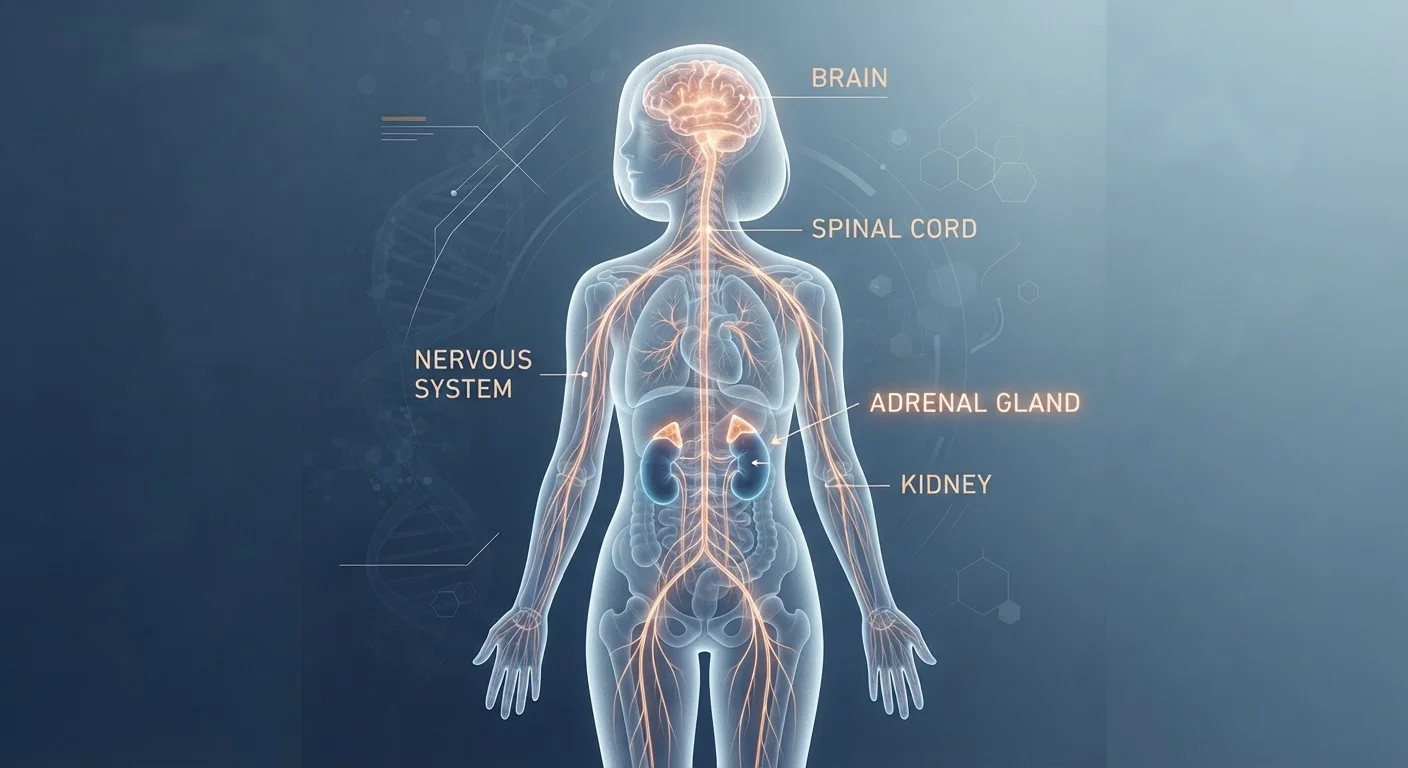
Photo: TheSearchHound.com | One Stop Answer To All Your Questions editorial
Key Takeaways
- The stress response is a normal, protective biological process - not a sign of weakness.
- Your brain cannot always distinguish between physical danger and psychological pressure.
- Key stress hormones like adrenaline and cortisol drive most of the physical symptoms you notice.
- Chronic activation of the stress response - without recovery - can affect long-term health.
- Understanding the stress response is a foundation for managing it more effectively.
The Brain Sounds the Alarm
When your brain detects something it interprets as threatening - whether that's a car swerving toward you or a looming work deadline - a small, almond-shaped structure called the amygdala fires first. It doesn't wait for a rational evaluation. It sends an immediate distress signal to the hypothalamus, which acts as your body's command center.
The hypothalamus then activates the sympathetic nervous system, triggering the adrenal glands - located on top of your kidneys - to release adrenaline (also called epinephrine). This entire sequence happens in fractions of a second, before you've consciously registered what's happening.
Importantly, the brain processes psychological and social threats through many of the same pathways it uses for physical danger. That's why a tense conversation or financial worry can produce physical symptoms just as real as those caused by an oncoming threat.
What Adrenaline and Cortisol Actually Do
Adrenaline sets off an immediate chain of physical changes. Your heart rate increases to pump more blood to muscles. Your breathing quickens to take in more oxygen. Your pupils dilate to sharpen vision. Blood is redirected away from digestion and toward the large muscle groups - your body is preparing to move fast.
Within minutes, a second hormone enters the picture: cortisol, released through the HPA axis. Cortisol sustains the response by raising blood sugar levels to fuel muscles and sharpening alertness. It also temporarily dials down functions the body considers non-essential during a threat, including digestion, reproduction, and some immune activities.
~30 seconds
Time for adrenaline to reach peak effect
Physiological research indicates adrenaline reaches significant circulating levels within roughly 30 seconds of a stress trigger, explaining the near-instant physical symptoms people notice.
77%
Americans reporting physical stress symptoms
According to the American Psychological Association's longstanding Stress in America survey, a substantial majority of U.S. adults regularly experience physical symptoms they attribute to stress.
15-30 min
Typical cortisol peak after a stressor
Published endocrinology research indicates cortisol levels typically peak 15-30 minutes after the onset of a stressor, then gradually decline if no further threat is perceived.
This is why stress can cause stomach upset, a dry mouth, or a racing heartbeat. These aren't random symptoms - they are coordinated, purposeful changes driven by hormones doing exactly what they evolved to do.
When the Response Becomes Chronic
The stress response is built for short bursts - activate, respond, recover. Problems can arise when modern life keeps the alarm ringing without a clear off switch. Financial strain, caregiving demands, workplace pressure, or ongoing uncertainty can hold the body in a state of partial activation for weeks or months.
Sustained elevated cortisol, in particular, is associated with disrupted sleep, changes in appetite, difficulty concentrating, and over time, broader effects on cardiovascular and immune health. This does not mean stress causes disease in a simple or inevitable way - research in this area is ongoing and complex - but the relationship between chronic stress and physical health is well-established in the scientific literature.
Recovery Is Part of the Biology
Understanding this distinction - between a healthy acute response and a chronic one - is one of the most useful frameworks for thinking about stress management. Recovery and restoration are as biologically important as the response itself.
What You Can Do With This Knowledge
Knowing what the stress response is can itself reduce its power. When you understand that a racing heart before a presentation is cortisol and adrenaline doing their job, it's easier to interpret the sensation as preparation rather than danger.
Research consistently supports a few approaches for helping the body return to baseline after a stress response. Slow, controlled breathing - particularly extending the exhale - signals the parasympathetic nervous system to counterbalance the fight-or-flight state. Regular physical activity helps regulate cortisol patterns over time. Social connection and a sense of safety also interact meaningfully with stress biology.
None of these are quick fixes, and no single strategy works the same for everyone. If stress feels persistent, overwhelming, or is affecting your daily functioning, speaking with a qualified healthcare or mental health professional is an important step - not a last resort.
This article is for general informational and educational purposes only and does not constitute medical or mental health advice. Always consult a qualified healthcare professional regarding any health concerns or before making changes to your health routine.
Frequently Asked Questions
The content on this site is provided for informational purposes only and should not be considered a substitute for professional advice. While we strive to provide accurate and up-to-date information, we make no guarantees regarding its completeness or accuracy. Always consult a qualified professional for advice specific to your circumstances before making any decisions.