
Hidden Sodium: Where Salt Really Accumulates in the American Diet

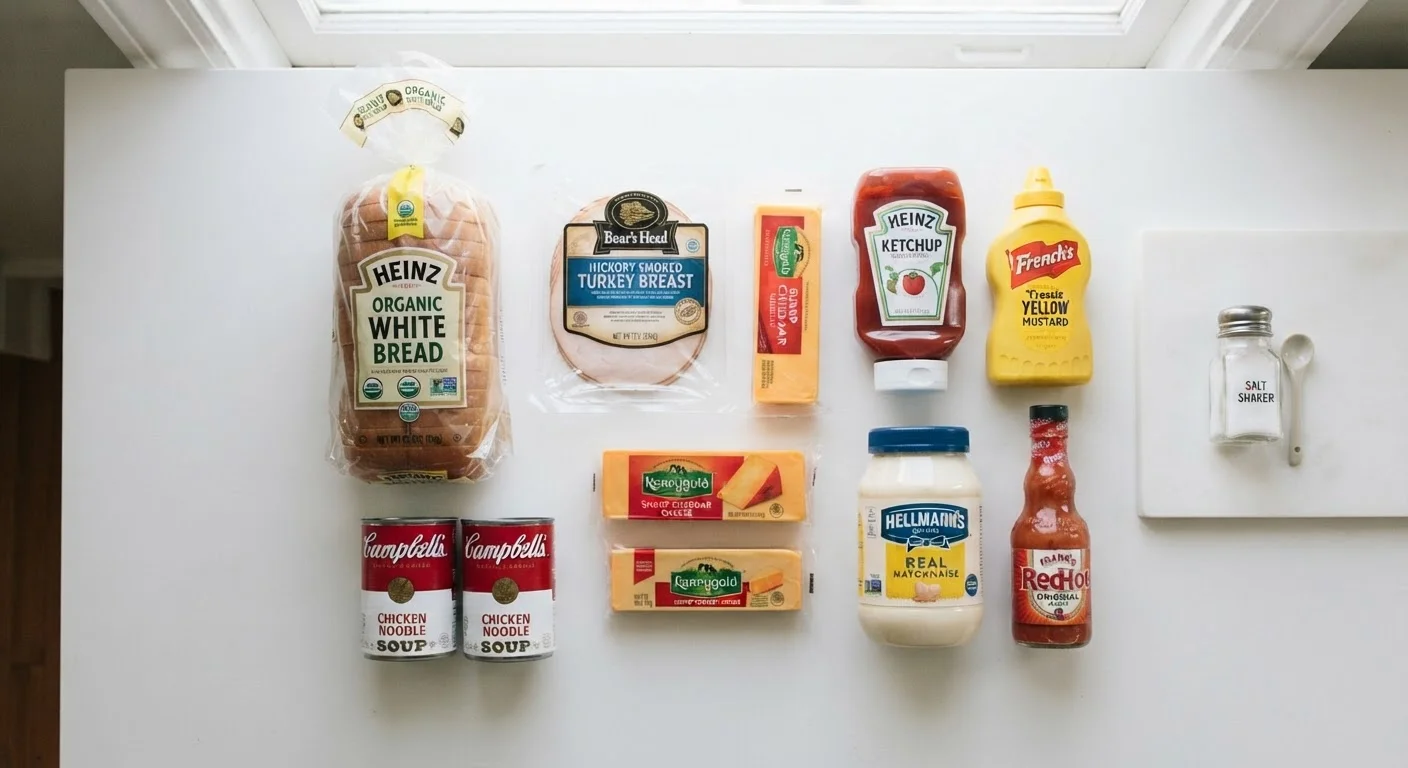
Photo: TheSearchHound.com | One Stop Answer To All Your Questions editorial
Key Takeaways
- About 70% of American sodium intake comes from processed and restaurant foods, not home cooking.
- Bread, deli meats, canned soups, and condiments are among the largest sodium contributors in the U.S. diet.
- Reading nutrition labels - specifically the % Daily Value for sodium - is one of the most practical ways to manage intake.
- The Dietary Guidelines for Americans recommend no more than 2,300 mg of sodium per day for most adults.
- Lowering sodium intake is generally associated with supporting healthy blood pressure, according to established research.
The Saltshaker Is the Smallest Part of the Problem
Most Americans assume they can manage their sodium intake simply by keeping the saltshaker off the dinner table. Unfortunately, this misses the bigger picture by a wide margin. Research consistently shows that approximately 70% of the sodium in the average American diet comes from packaged, processed, and restaurant-prepared foods - before a single grain of salt is ever added at home.
The U.S. Food and Drug Administration notes that the average American consumes roughly 3,400 mg of sodium per day, significantly above the 2,300 mg ceiling recommended by the Dietary Guidelines for Americans. Closing that gap requires understanding where sodium actually hides - and the answer is rarely where people expect.
The following categories are the primary culprits identified through national dietary survey data. Awareness of these sources is the essential first step toward making more informed food choices - not a prescription to eliminate any particular food group. As always, consult a qualified healthcare provider or registered dietitian for guidance tailored to your individual health needs.
Bread and Baked Goods
Bread is one of the most counterintuitive high-sodium foods because it doesn't taste salty. Yet a single slice of standard white or wheat sandwich bread can contain between 100 and 200 mg of sodium - and with two slices per sandwich, the total climbs fast. The Centers for Disease Control and Prevention has consistently ranked bread and rolls among the top contributors to sodium intake in the American diet, largely because of how frequently they are eaten throughout the day.
Rolls, bagels, English muffins, flour tortillas, and packaged baked goods follow the same pattern. Sodium plays a functional role in baking - it controls yeast activity and improves texture - so it's present even when the product doesn't register as salty on the palate.
Bread doesn't taste salty, yet it is one of the top sodium sources in the American diet.
Deli Meats and Cured Proteins
Processed and cured meats - including deli turkey, ham, roast beef, salami, and hot dogs - are sodium-dense by design. Sodium (along with nitrates and other preservatives) is central to the curing process that extends shelf life and gives these products their characteristic flavor and texture. A few thin slices of deli turkey can easily contribute 400-600 mg of sodium, and a single hot dog may contain over 500 mg.
The cumulative effect across a day is significant, especially for households that rely heavily on deli proteins for quick lunches or snacks. Choosing lower-sodium options where available and varying protein sources can help moderate overall intake without dramatic dietary overhauls.
A few slices of deli meat can deliver more sodium than an entire bowl of many snack foods.
Canned Soups and Broths
Canned and packaged soups are among the most sodium-concentrated foods on grocery shelves. A standard serving of canned condensed soup - before adding water - can contain 800 mg of sodium or more, and many Americans consume the full can in one sitting. Broths and stock used as cooking bases follow a similar pattern, quietly transferring hundreds of milligrams into home-cooked dishes that might otherwise seem relatively wholesome.
Reduced-sodium or no-salt-added versions of these products are widely available and tend to taste nearly identical once other seasonings and ingredients are incorporated. Checking the label before purchasing makes a meaningful difference here.
A single can of soup can deliver more than a third of the recommended daily sodium in one sitting.
Condiments, Sauces, and Dressings
Soy sauce, ketchup, barbecue sauce, salad dressings, hot sauce, and bottled marinades are often used in small quantities - but their sodium concentration is extremely high. A single tablespoon of soy sauce contains roughly 900 mg of sodium. Even reduced-sodium soy sauce typically delivers around 600 mg per tablespoon. Sauces layered onto dishes during cooking can easily double the sodium content of an otherwise moderate meal.
Portion awareness is the most practical strategy here. Using smaller amounts, exploring citrus or herb-based flavoring, or comparing label values between similar condiments can make a real difference without eliminating these flavor-building staples entirely.
A single tablespoon of soy sauce can contain nearly 40% of the recommended daily sodium allowance.
Cheese
Cheese is a nutritionally dense food - providing protein, calcium, and fat - but it also carries a notable sodium load that is easy to underestimate. Salt is integral to cheese production, affecting texture, aging, flavor development, and food safety. Processed American cheese slices, feta, and cottage cheese tend to be among the higher-sodium varieties. Even natural cheeses like cheddar or mozzarella contribute meaningfully, with typical servings ranging from 150 to 400 mg of sodium.
When cheese appears across multiple meals or in layered dishes like pizza, sandwiches, or casseroles, its sodium contribution compounds quickly. Choosing naturally lower-sodium varieties like fresh ricotta or Swiss, and moderating portion size, provides flexibility without cutting cheese out of the diet entirely.
Salt is essential to how most cheeses are made, making sodium accumulation in cheese easy to overlook.
Restaurant and Fast-Food Meals
Eating out is one of the fastest routes to exceeding daily sodium targets, largely because restaurant kitchens prioritize flavor and palatability - which sodium reliably delivers. A single fast-food burger, combo meal, or restaurant entrée can easily contain 1,500-2,500 mg of sodium in one sitting. Full-service restaurant meals, including seemingly lighter options like salads with dressing or grilled fish with sauce, can be just as high.
The challenge is transparency: sodium content is not always displayed prominently, though chain restaurants with 20 or more locations in the U.S. are required to post calorie information under FDA rules, and many also publish full nutrition data online. Reviewing nutritional information before ordering - when available - is a practical habit that can prevent unintentional overconsumption.
A single restaurant entrée can contain more sodium than the entire recommended daily allowance for most adults.
Making Sense of Sodium on a Label
Once you know where sodium accumulates, the nutrition facts label becomes a genuinely useful tool. The % Daily Value column is the most practical shortcut: 5% DV or less per serving is considered low in sodium, while 20% DV or more is considered high. Since many packaged items contain multiple servings per container, the math can shift quickly.
A simple label-reading habit worth building
Sodium management doesn't require obsessive tracking or giving up foods you enjoy. Small, consistent swaps - choosing lower-sodium canned goods, rinsing canned beans before use, or comparing labels between similar products - can meaningfully reduce daily intake over time. For readers also looking to strengthen their overall diet quality, understanding complementary nutrients matters too. Our guide to dietary fiber explains another nutrient most Americans fall short on, with practical context for everyday eating.
This article is for general informational and educational purposes only and does not constitute medical or dietary advice. Speak with a qualified healthcare professional or registered dietitian before making significant changes to your diet, especially if you have a medical condition such as hypertension, kidney disease, or heart disease.
The content on this site is provided for informational purposes only and should not be considered a substitute for professional advice. While we strive to provide accurate and up-to-date information, we make no guarantees regarding its completeness or accuracy. Always consult a qualified professional for advice specific to your circumstances before making any decisions.