
Questions to Ask a Contractor Before Signing Anything

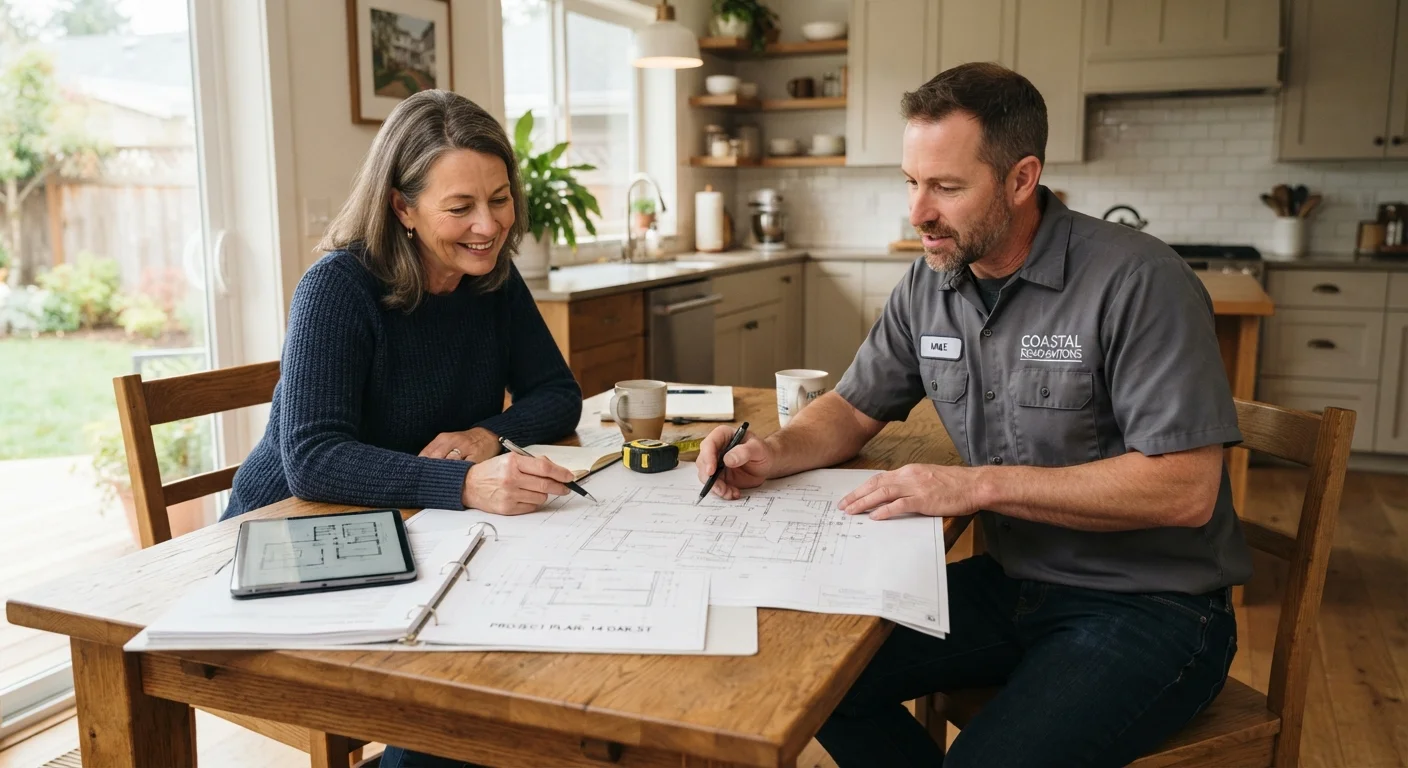
Photo: TheSearchHound.com | One Stop Answer To All Your Questions editorial
Key Takeaways
- Always verify a contractor's license, insurance, and bonding status before any agreement is signed.
- A detailed written contract protects both parties - verbal agreements are difficult to enforce.
- Payment schedules tied to project milestones are safer than large upfront lump-sum payments.
- Understand who pulls permits and who is responsible if inspections fail or code issues arise.
- Clarify subcontractor arrangements and how disputes or change orders will be handled in writing.
Why This Conversation Matters Before You Sign
Hiring a contractor for a home improvement project is one of the largest financial commitments many homeowners make outside of buying the home itself. A poorly vetted contractor can mean stalled timelines, surprise costs, substandard work, or - in the worst cases - legal disputes and safety hazards. The questions you ask before signing a contract are your best line of defense.
This checklist is designed to give you a structured way to interview contractors, compare bids fairly, and enter any agreement with clear expectations on both sides. It applies whether you're hiring for a kitchen renovation, a roof replacement, a bathroom addition, or any other significant project. For a deeper look at what line items in an estimate actually mean, see our guide to reading a contractor's bid.
Use this checklist with every contractor you're considering - not just the one you're leaning toward. The answers reveal as much about professionalism and communication style as they do about credentials.
Credentials and Legal Standing
Permits and Code Compliance
Subcontractors and On-Site Team
Timeline and Scheduling
Payment Structure
Contract Terms and Dispute Resolution
What to Do After You Have the Answers
Once you've worked through these questions with each candidate, compare their answers side by side. Red flags include vague answers about licensing, pressure to skip permits, requests for more than a third of the total cost upfront, or reluctance to put anything in writing. Any of these warrant serious caution.
Never Rely Solely on Verbal Agreements
Permits deserve special attention. Unpermitted work can create problems when you sell your home, file an insurance claim, or need future repairs. Our companion article explains what a building permit actually covers and why skipping one can cost you later.
Once you've chosen a contractor, make sure every verbal agreement finds its way into the written contract before you sign. Change orders, timeline adjustments, and material substitutions should all be documented in writing as they arise - not resolved by memory after the fact. Approaching major contracts with this kind of deliberateness is a habit that pays off in every context, similar to the mindset behind asking the right questions before any major purchase.
Watch Out for Pressure to Skip Permits
The content on this site is provided for informational purposes only and should not be considered a substitute for professional advice. While we strive to provide accurate and up-to-date information, we make no guarantees regarding its completeness or accuracy. Always consult a qualified professional for advice specific to your circumstances before making any decisions.