
Why Renters Lose Their Security Deposit-and How to Protect Yours

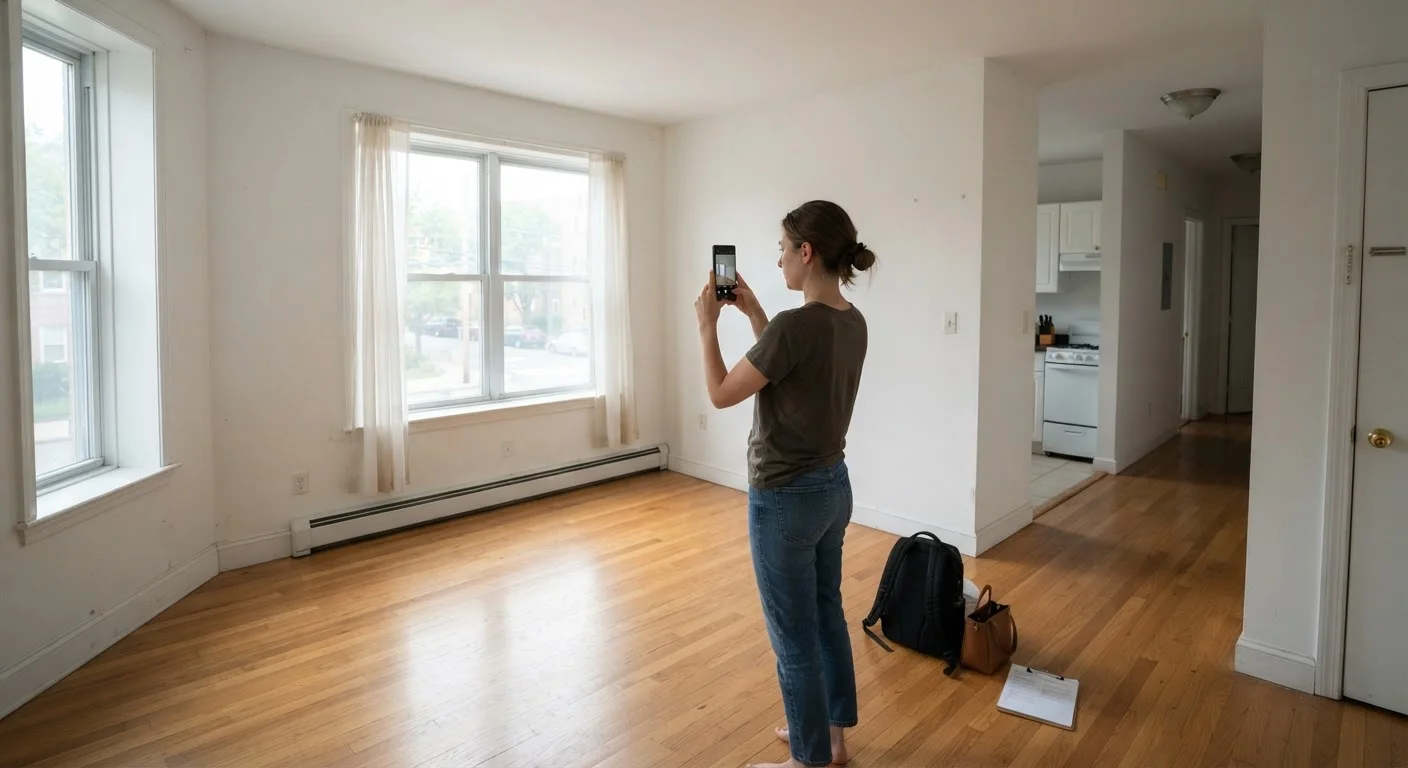
Photo: TheSearchHound.com | One Stop Answer To All Your Questions editorial
Key Takeaways
- Skipping a move-in inspection is the single most preventable cause of security deposit disputes.
- Landlords in most states must return deposits within a legally defined window, typically 14-30 days.
- Normal wear and tear cannot legally be deducted from your deposit in most U.S. jurisdictions.
- Written, timestamped communication with your landlord creates a paper trail that protects you in disputes.
- Knowing your state's deposit laws before you sign a lease is essential to protecting your money.
The Stakes: What a Security Deposit Actually Represents
For most renters, a security deposit equals one to two months' rent - a significant sum that functions as collateral held by the landlord until you vacate. While landlords may legally deduct for damages beyond normal wear and tear, unpaid rent, or lease violations, many deductions renters face are the result of avoidable mistakes made before, during, or after the tenancy.
Understanding what landlords are actually permitted to keep is the first line of defense. For a thorough breakdown of legally allowable deductions, see our guide to security deposit rules. This article focuses on the mistakes that create deduction opportunities - and how to eliminate them.
Skipping the move-in walkthrough and written condition report.
Confusing normal wear and tear with damage - and not understanding the legal distinction.
Leaving the unit without completing a thorough cleaning.
Failing to give proper written notice before vacating.
Making unauthorized alterations - painting walls, installing fixtures, or removing hardware.
Not following up when a deposit is not returned on time.
Documentation and Communication: Your Strongest Protections
Most deposit disputes come down to a simple question: who has better evidence? Landlords hold a structural advantage because they control the property between tenants. Renters who document carefully close that gap significantly.
~40%
Renters who lose part or all of their deposit
Industry surveys and tenant advocacy research consistently estimate that a significant share of renters do not receive their full deposit back, with cleaning and damage cited as the most common stated reasons.
14-30 days
Typical state deadline to return deposits
Most U.S. states require landlords to return a security deposit and any itemized deduction statement within this window after a tenant vacates.
At move-in, photograph and video every room systematically - open every cabinet, capture scuffs, stains, broken fixtures, and anything that appears worn or damaged. Send a written summary of findings to your landlord within 24-48 hours and keep the reply. At move-out, repeat the same walkthrough before you return the keys. Communicate every maintenance request and repair issue in writing throughout your tenancy. Our guide on landlord communication explains how to create a paper trail that holds up in a dispute.
Security deposits are just one part of the full financial picture of renting. To understand the broader costs you may face before and after signing, see the real cost of renting an apartment.
Document Everything Before You Move In
Know Your Rights Before You Sign
Deposit rules vary meaningfully by state. Some jurisdictions cap the deposit amount, require landlords to hold funds in a separate escrow account, and mandate itemized deduction statements within strict deadlines - sometimes as short as 14 days after move-out. Missing those deadlines can forfeit the landlord's right to make any deductions at all in some states.
Many renters don't discover these protections until after they've already lost money. Reviewing your state's tenant protection laws before you sign is far more effective than researching them after a dispute begins. Tenant rights every renter should know offers a plain-language overview of where these rules come from and how they generally apply. And if you're new to renting altogether, our first-apartment walkthrough covers the full move-in process from search to lease signing.
Deposit Laws Vary Significantly by State
This article is for general informational purposes only and does not constitute legal or financial advice. Deposit laws vary by state and locality. Consult a qualified attorney or tenant advocacy organization for guidance specific to your situation.
The content on this site is provided for informational purposes only and should not be considered a substitute for professional advice. While we strive to provide accurate and up-to-date information, we make no guarantees regarding its completeness or accuracy. Always consult a qualified professional for advice specific to your circumstances before making any decisions.