
What Actually Happens After You Click "Place Order"

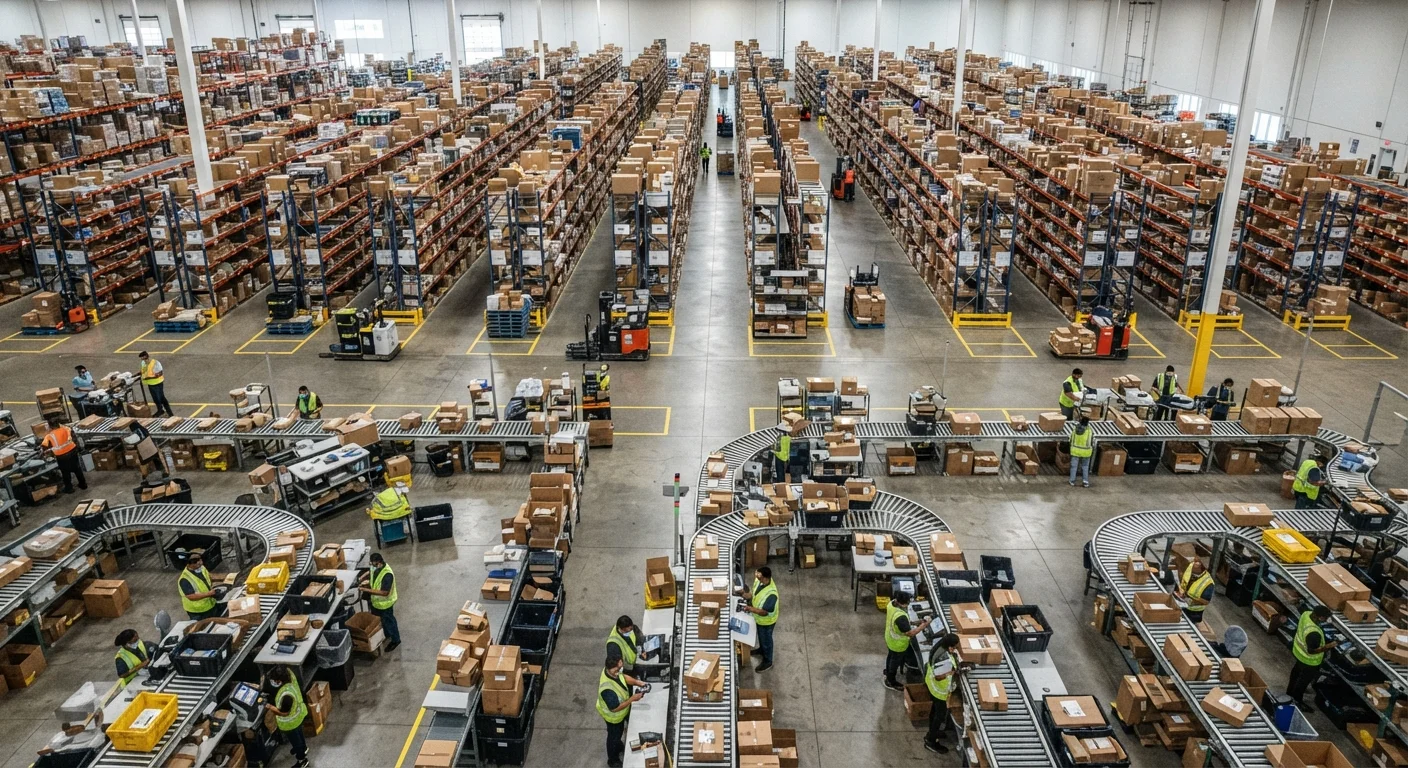
Photo: TheSearchHound.com | One Stop Answer To All Your Questions editorial
Key Takeaways
- Payment authorization and fraud screening happen within seconds of clicking 'Place Order.'
- Picking, packing, and labeling typically add 1-3 business days before a package ships.
- Once handed to a carrier, retailers have limited control over delivery timing.
- Tracking numbers go live only after a carrier scans the package - not when a label is created.
- Last-mile delivery is statistically the most delay-prone leg of the journey.
- Knowing each stage makes it easier to contact the right party when something goes wrong.
Stage 1: Payment Authorization and Fraud Screening
The instant you click 'Place Order,' a sequence of automated steps fires simultaneously. Your payment processor contacts your card issuer to confirm the funds or credit are available - this is an authorization hold, not an immediate charge. The actual charge posts only after the order is confirmed and typically moves into fulfillment.
Running parallel to authorization is fraud screening. Retailers and payment networks compare your order against risk signals: billing address match, device fingerprint, purchase velocity, and more. Orders that trip certain thresholds may be held for manual review or declined outright - a frustrating but intentional protection. If your order is flagged, you'll usually receive an email asking you to verify your identity before anything ships.
If you're new to online shopping, this primer on buying online for the first time walks through how to set up secure payment methods before you reach checkout.
Stage 2: Order Processing and Warehouse Fulfillment
Once payment clears, the order enters the retailer's fulfillment system. A pick list is generated - essentially a digital instruction sent to a warehouse worker (or an automated robot in larger operations) to locate the specific item on a shelf. This is called the pick stage.
After picking, the item moves to pack: it's placed in appropriate packaging, cushioned if fragile, and weighed. A shipping label is then printed and applied, and the order is staged for carrier pickup. This entire process - pick, pack, label - can take anywhere from a few hours at a highly automated facility to two or three business days at smaller operations or during peak season.
53%
of online shoppers abandon future purchases after one late delivery
According to research published by Convey (now project44), delivery experience directly shapes customer retention decisions.
~28%
of total supply chain cost attributed to last-mile delivery
Industry logistics analyses consistently cite last-mile as the costliest segment, driven by individualized routing and residential density challenges.
1-3 days
typical warehouse processing time before shipment
Processing windows vary by retailer size, automation level, and order volume; peak seasons can push this to five or more business days.
Understanding these terms is easier with a reference. A plain-language glossary of online shopping terms explains concepts like SKU (stock-keeping unit) and fulfillment center in straightforward language.
Stage 3: Carrier Handoff and Transit
When a carrier driver picks up the sorted packages - or when a seller drops them at a carrier facility - the fulfillment stage ends and the transit stage begins. This is the moment your tracking number activates in any meaningful way, because the carrier has physically scanned your parcel into their network.
Large carriers route packages through a hub-and-spoke system. Your package typically travels from an origin facility to a regional sorting hub, then to a destination hub, before reaching a local delivery station. Each scan at each node updates the tracking feed you see online.
Save Your Order Confirmation Email
Transit times quoted at checkout are carrier estimates, not guarantees. Weather events, peak volume, and customs (for international orders) are the most common causes of mid-transit delays - and the retailer usually cannot intervene once a package is in the carrier's custody.
Stage 4: Last-Mile Delivery
Last-mile delivery - the final stretch from a local distribution point to your address - is statistically the most expensive and delay-prone segment of the supply chain. Drivers work dense residential routes with high stop counts, and variables like apartment access, incorrect addresses, and signature requirements can derail an otherwise on-schedule package.
Many carriers now offer delivery windows, photo confirmation, and real-time map tracking on the day of delivery. If a delivery attempt fails, packages are typically held at a carrier facility for a set period before being returned to the sender.
Knowing what happens after delivery is just as important. Before your next purchase, it's worth reviewing what to look for in warranties and return policies before you buy. And if something does go wrong with a delivered item, understanding what online return policies actually mean will help you navigate next steps without surprises.
Frequently Asked Questions
The content on this site is provided for informational purposes only and should not be considered a substitute for professional advice. While we strive to provide accurate and up-to-date information, we make no guarantees regarding its completeness or accuracy. Always consult a qualified professional for advice specific to your circumstances before making any decisions.