
What Your Dashboard Warning Lights Are Actually Telling You

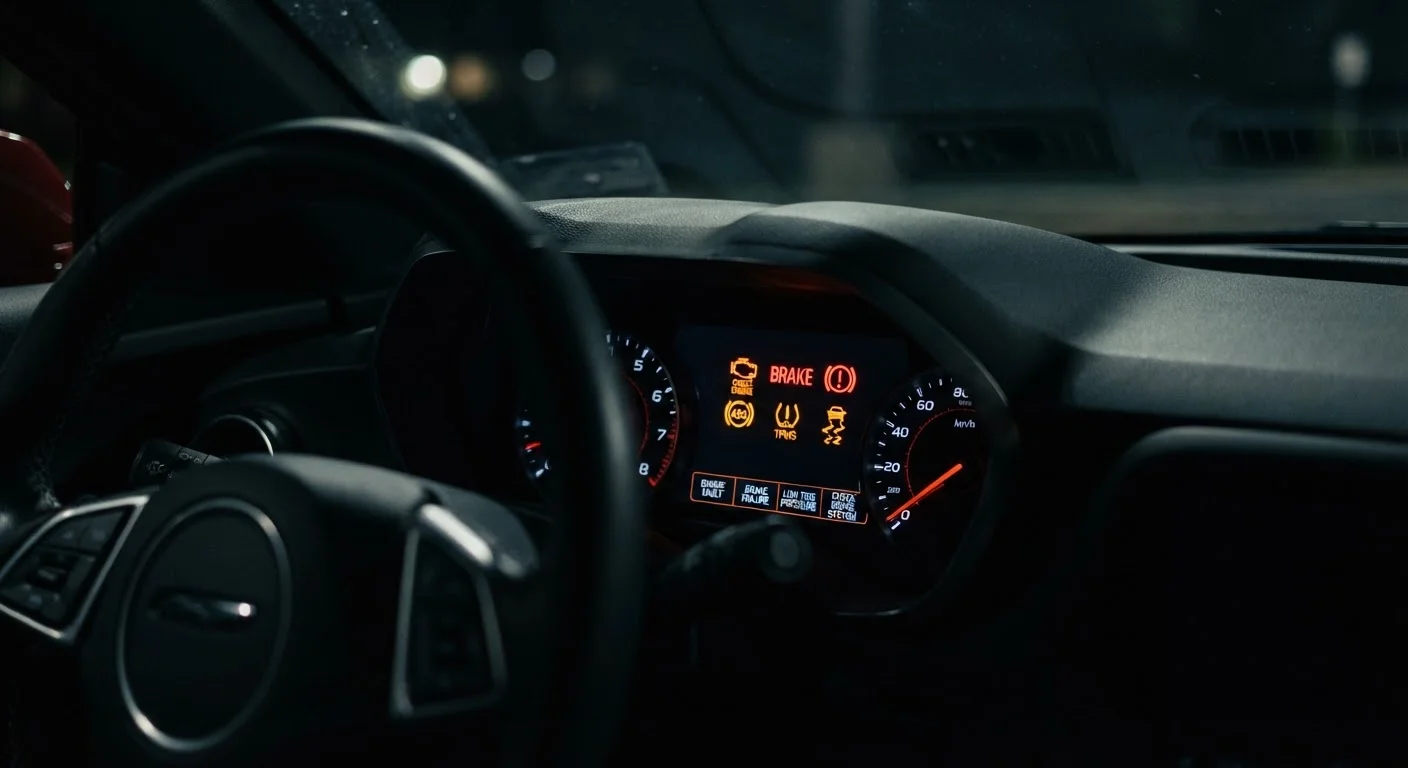
Photo: TheSearchHound.com | One Stop Answer To All Your Questions editorial
Key Takeaways
- Red warning lights signal stop-immediately situations; amber lights typically mean schedule a service visit soon.
- The check engine light alone rarely means pull over right now - context and other symptoms matter.
- Ignoring warning lights can turn a minor repair into a costly or dangerous mechanical failure.
- Your owner's manual remains the most reliable guide to your specific vehicle's warning symbols.
- Some lights, like low tire pressure, have straightforward DIY fixes; others require a qualified mechanic.
The Color-Code System: Your First Clue
Before decoding individual symbols, understanding the three-tier color system gives you an immediate sense of severity for any light you see.
- Red - Act now. Red lights flag conditions that pose a risk of vehicle damage or driver safety if ignored. Pull over safely when it is possible to do so.
- Amber or Yellow - Attention needed soon. These lights signal a system operating outside normal parameters. You generally have time to schedule a service visit, but do not delay indefinitely.
- Green or Blue - Informational. These confirm a system is active - high beams, turn signals, cruise control - not a problem.
This color logic is consistent across nearly all modern vehicles sold in the United States, though the exact icons vary by manufacturer. Your owner's reference for dashboard symbols is the best companion for identifying unfamiliar icons on your specific model.
Warning Light Symbols Aren't Fully Universal
The Warning Lights You're Most Likely to See
While modern vehicles can display dozens of indicators, a handful account for the vast majority of driver questions.
Check Engine (Malfunction Indicator Lamp)
Perhaps the most misunderstood light on any dashboard. A steady check engine light means the OBD-II system has detected a fault - often something emissions-related like a loose gas cap or a failing oxygen sensor - that warrants a scan but is not immediately dangerous. A flashing check engine light is a different story: it signals an active engine misfire capable of damaging the catalytic converter. Stop driving and have the vehicle inspected promptly.
Oil Pressure Warning
This red light - often shaped like an old-fashioned oil can - is one of the most serious on any dashboard. Low oil pressure means the engine's moving parts are not being properly lubricated. Shut the engine off as soon as you can safely stop. Running the engine even briefly under low oil pressure can cause permanent, expensive internal damage.
Temperature Warning
A red thermometer icon means coolant temperature has entered the danger zone. Pull over, turn off the engine, and allow it to cool before opening the hood. Never open a hot radiator cap. Overheating can warp cylinder heads and cause catastrophic failure.
Battery / Charging System
A battery-shaped light while driving typically points to the alternator not recharging the battery. You're running on stored charge alone. Minimize electrical loads and head directly to a service facility.
Tire Pressure (TPMS)
The TPMS light activates when any tire falls significantly below recommended pressure. Check all tires and inflate to the specification on your driver's door jamb - not the maximum printed on the tire sidewall. For a deeper look at tire data, see tire pressure and sidewall numbers decoded.
Brake System Warning
A red brake light can mean low brake fluid, an engaged parking brake, or a fault in the hydraulic braking system. If the parking brake is fully released and the light remains on, treat it as urgent. Brake system symptoms should never be deferred - stopping ability is non-negotiable.
1 in 3
Drivers who ignore a check engine light for over a month
A survey by the Car Care Council found a significant share of American drivers delay acting on dashboard warning lights, often until a minor issue becomes a major repair.
~$400
Average cost of a catalytic converter repair
Ignoring a flashing check engine light - which signals an active misfire - can destroy a catalytic converter, with replacement costs commonly ranging from several hundred to over a thousand dollars depending on vehicle type.
25%
Pressure drop that triggers most TPMS sensors
Federal regulations require TPMS systems to alert drivers when a tire is at least 25% below the vehicle manufacturer's recommended cold inflation pressure.
When to Pull Over vs. When to Drive On
Not every warning light demands you stop immediately, but a few do. Use this framework to judge the situation:
- Combination of lights plus symptoms - If a warning light appears alongside abnormal sounds, smells, vibration, or handling changes, stop as soon as safely possible and call for assistance.
- Any red warning light without an obvious benign cause - Treat as stop-soon until diagnosed, especially oil pressure or temperature warnings.
- Steady amber lights, no other symptoms - Continue driving normally but schedule a mechanic visit within a day or two. Avoid long highway trips until the cause is confirmed.
- Informational or minor lights - Low washer fluid or a door-ajar indicator can wait until your next convenient stop.
Before any long drive, running through a pre-trip vehicle checklist can help you catch developing issues before they turn into roadside emergencies.
What to Do After a Light Comes On
The right response depends on the light and your situation, but a few steps apply broadly.
- Check your owner's manual first. It contains the authoritative symbol guide for your exact vehicle and will tell you whether a light requires immediate action.
- Note any accompanying symptoms. Sounds, smells, steering feel, and performance changes help a mechanic diagnose the issue faster.
- Don't ignore amber lights indefinitely. A minor sensor fault today can mask a developing problem that becomes serious - and expensive - if left unaddressed.
- Use an OBD-II scanner. Inexpensive handheld scanners or smartphone adapters can read fault codes, giving you useful context before visiting a shop. Knowing the code helps you have a more informed conversation with a technician.
Some routine responses - like inflating a tire or tightening a gas cap - are genuinely within reach of most drivers. For anything involving the engine internals, brakes, or charging system, a qualified mechanic is the right call. Our overview of DIY car maintenance limits can help you draw that line with confidence.
Keep Your Owner's Manual Accessible
Frequently Asked Questions
The content on this site is provided for informational purposes only and should not be considered a substitute for professional advice. While we strive to provide accurate and up-to-date information, we make no guarantees regarding its completeness or accuracy. Always consult a qualified professional for advice specific to your circumstances before making any decisions.