
The Science of Sleep and Mental Health: A Two-Way Relationship

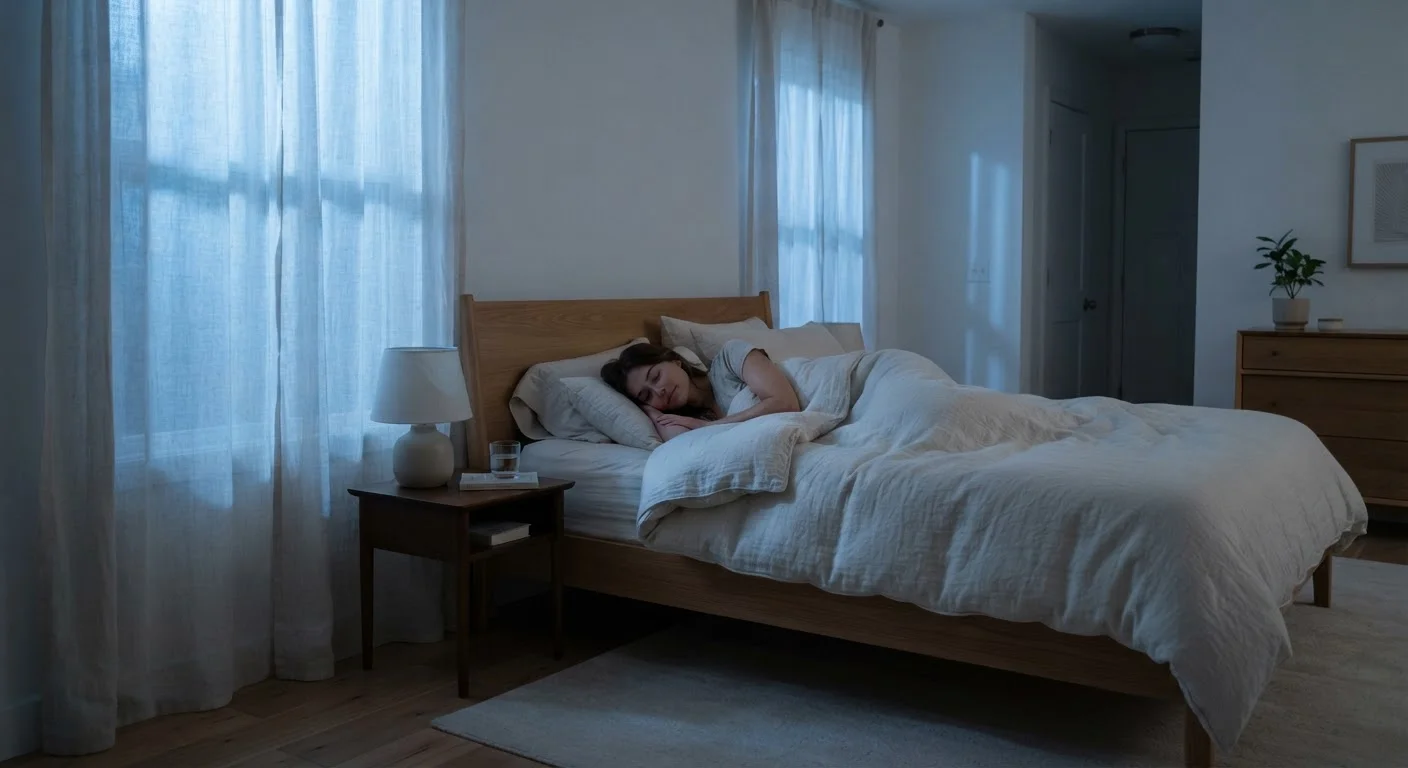
Photo: TheSearchHound.com | One Stop Answer To All Your Questions editorial
Key Takeaways
- Sleep and mental health influence each other in a continuous, two-way cycle.
- Sleep deprivation impairs emotional regulation, memory consolidation, and stress response.
- Conditions like anxiety and depression are strongly associated with insomnia and disrupted sleep architecture.
- Improving sleep habits can support mental wellbeing, but is not a substitute for professional care.
- Consistent sleep schedules are among the most evidence-supported behavioral strategies for better sleep.
Why Sleep Is Not a Passive State
It might seem like sleep is simply the brain powering down, but the opposite is true. During sleep - particularly during deep slow-wave and rapid eye movement (REM) stages - the brain is highly active. It consolidates memories, regulates hormones, clears metabolic waste, and processes emotional experiences from the day.
This processing work is directly relevant to mental health. REM sleep, in particular, plays a documented role in emotional memory consolidation. Research published in sleep and neuroscience literature suggests that the brain uses REM sleep to strip the emotional charge from difficult experiences - essentially filing them away with less distress attached. When that process is disrupted, unprocessed emotional content can carry forward into waking life as heightened reactivity, irritability, or a lowered threshold for stress.
To understand why sleep matters so much for mental wellbeing, it helps to first understand what mental health actually encompasses - it is far more than the absence of a diagnosable condition.
How Sleep Deprivation Affects the Mind
Even a single night of poor sleep produces measurable effects on mood, attention, and emotional control. Studies using brain imaging have shown that sleep-deprived individuals display heightened reactivity in the amygdala - the brain region associated with emotional response - along with reduced connectivity to the prefrontal cortex, which helps regulate those responses.
The practical result: less sleep can mean stronger emotional reactions and a reduced ability to put them in perspective. Over time, chronic sleep restriction is associated with increased risk of depressive symptoms, heightened anxiety, and greater difficulty coping with everyday stressors.
7+ hours
Recommended nightly sleep for adults
The CDC recommends adults get at least seven hours of sleep per night for optimal health.
~1 in 3
U.S. adults reporting insufficient sleep
CDC surveillance data has consistently found that roughly one third of American adults report sleeping fewer than the recommended hours.
10x
Higher insomnia risk with depression
Research suggests people with depression are approximately ten times more likely to experience clinically significant insomnia than the general population.
Sleep also affects cognitive functions that support mental health indirectly - including concentration, decision-making, and the ability to engage socially. The data on sleep and mental health in the broader population is striking - for context on how widespread these challenges are, see mental health statistics across the U.S..
How Mental Health Conditions Disrupt Sleep
The relationship runs in the other direction just as reliably. Many mental health conditions have sleep disruption as either a diagnostic feature or a frequent accompanying symptom.
Anxiety disorders are closely tied to insomnia. The cognitive hyperarousal that characterizes anxiety - repetitive, difficult-to-control worrying - makes it hard to transition into sleep. The body's stress response system stays activated, keeping the nervous system alert when it should be winding down.
Depression disrupts sleep architecture differently. It is associated with early-morning awakening, fragmented sleep, and changes in the proportion of REM sleep that occurs. Some people with depression experience hypersomnia - sleeping excessively - while still waking unrefreshed. For a closer look at how these two commonly confused conditions differ in their presentation, including their distinct effects on sleep, see how anxiety and depression differ.
Track Your Sleep Patterns Over Time
Other conditions including post-traumatic stress disorder (PTSD) and bipolar disorder also have well-documented sleep-related components. Recognizing this overlap matters because treating a mental health condition in isolation without addressing sleep - or vice versa - often produces incomplete results.
Practical Steps Supported by Research
While sleep is not a cure for mental health conditions, improving sleep hygiene - behavioral and environmental habits that support consistent, quality sleep - is one of the most evidence-supported self-care strategies available. Key principles include:
- Consistent sleep and wake times - even on weekends - help anchor the body's internal clock.
- Limiting screens before bed reduces blue-light exposure that can suppress melatonin, the hormone that signals sleep readiness.
- Managing evening stress through relaxation techniques such as breathing exercises or brief journaling can reduce the cognitive hyperarousal that delays sleep onset.
- A cool, dark, quiet sleep environment supports the physiological drop in core body temperature that accompanies natural sleep onset.
Social connection also plays a role - loneliness and isolation are themselves risk factors for both disrupted sleep and declining mental health. Research on social connection and mental health highlights how interconnected these factors are in everyday wellbeing.
This article is for general informational and educational purposes only and is not a substitute for professional medical advice, diagnosis, or treatment. If you are experiencing sleep difficulties or mental health concerns, please consult a qualified healthcare provider.
Frequently Asked Questions
The content on this site is provided for informational purposes only and should not be considered a substitute for professional advice. While we strive to provide accurate and up-to-date information, we make no guarantees regarding its completeness or accuracy. Always consult a qualified professional for advice specific to your circumstances before making any decisions.