
Grocery Trip Nutrition Checklist: A Practical Walk Through the Store

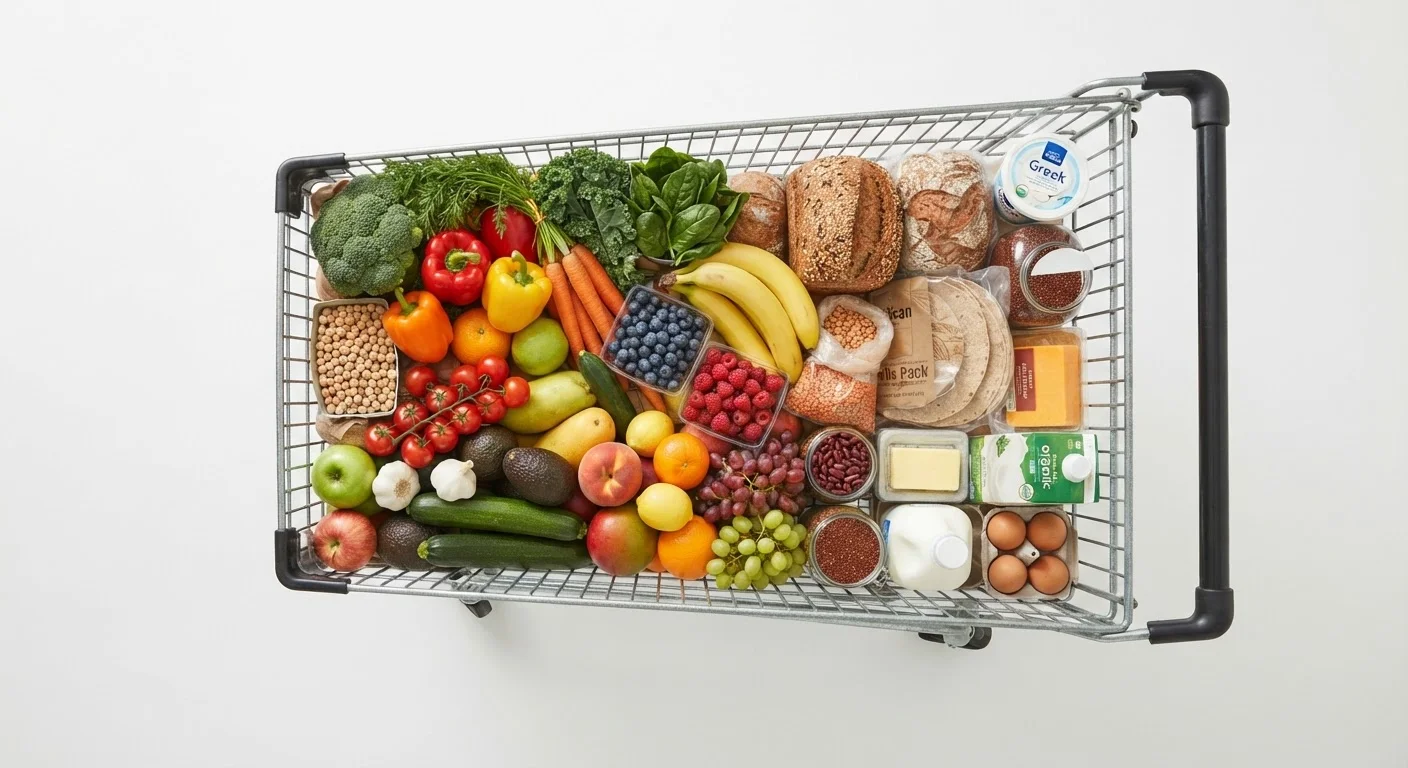
Photo: TheSearchHound.com | One Stop Answer To All Your Questions editorial
Key Takeaways
- Shopping the store's perimeter first helps prioritize whole, minimally processed foods.
- Reading the Nutrition Facts label-especially serving size and sodium-takes only seconds and pays off.
- Frozen and canned vegetables are nutritionally comparable to fresh and are worth including.
- A written or digital list based on planned meals reduces impulse purchases and nutritional gaps.
- No single grocery trip needs to be perfect; consistent patterns matter more than individual choices.
Why a Grocery Checklist Supports Better Nutrition
Most Americans spend less than 30 minutes deciding what to eat for the entire week, yet those decisions shape daily energy, long-term health, and how well the body functions. A structured grocery checklist bridges the gap between good intentions and what actually ends up on your plate.
This aisle-by-aisle guide is not a diet plan, and it doesn't require you to overhaul your eating habits. Instead, it offers a practical framework for making more nutritionally informed choices each time you shop - choices grounded in established dietary science rather than trending fads. Nutrition needs also vary across life stages, so if you want deeper context on how requirements shift over time, see our article on how nutritional needs evolve across life stages.
This article is for general informational and educational purposes only and is not a substitute for personalized nutrition or medical advice. Consult a registered dietitian or qualified healthcare provider for guidance suited to your individual health needs.
Meal Planning Template (paper or digital)
Used to map out meals for the week before writing your grocery list, reducing reactive shopping decisions.
Grocery List App or Notepad
Keeps your list organized by store section so you move efficiently and stay on plan.
Nutrition Facts Label Guide (USDA)
Provides a reference for interpreting % Daily Values and label terminology accurately.
Pantry Inventory List
A quick check of existing pantry and freezer items prevents duplicate purchases and reduces food waste.
Before You Leave Home: Preparation Steps
What happens before you walk into the store often determines how nutritionally sound the trip turns out to be. Shoppers who arrive with a plan consistently make more deliberate choices and spend less time in processed-food aisles.
Before You Shop
Produce & Fresh Foods
Protein Sources
Grains, Dairy & Packaged Goods
Don't Rely on Front-Label Claims Alone
For a quick reference on specific vitamins and minerals you may want to prioritize while building your list, our micronutrient quick reference guide covers key nutrients, their food sources, and signs of common deficiencies.
Aisle-by-Aisle: What to Look for and Why It Matters
Grocery store layouts vary, but most follow a recognizable pattern: fresh produce and protein along the perimeter, packaged and processed foods in the interior aisles. Understanding the logic of that layout gives you a navigational edge.
In the produce section, variety of color is a practical proxy for nutrient diversity - different pigments in fruits and vegetables correspond to different phytochemicals and antioxidants. Aim to include vegetables from more than one color group each week rather than defaulting to the same two or three items.
In the protein section (meat, poultry, seafood, eggs, legumes), lean options tend to have a more favorable ratio of protein to saturated fat. The Dietary Guidelines for Americans recommend including seafood at least twice per week as part of a healthy eating pattern, alongside plant-based protein sources such as beans and lentils.
In the dairy or dairy-alternative aisle, pay attention to added sugar in flavored yogurts and plant-based milks. Plain versions allow you to control sweetness while preserving the underlying nutritional value.
In the packaged goods aisles, the Nutrition Facts label is your primary tool. Prioritize checking: serving size (the baseline for all other numbers), sodium content (many Americans exceed the recommended daily limit), and the fiber content of grain-based products. Whole grain options generally provide more fiber and micronutrients than refined equivalents.
Reading Labels Without Overthinking It
Label literacy doesn't require a nutrition degree. A few targeted checks take under a minute and can meaningfully shift what ends up in your cart.
The ingredient list is ordered by weight - ingredients present in the largest amounts appear first. If a form of added sugar (cane sugar, corn syrup, dextrose, etc.) appears in the first three ingredients of what you expect to be a savory or neutral food, that's a useful data point.
The % Daily Value (%DV) column offers a quick benchmark: 5% or less is generally considered low for a nutrient, and 20% or more is considered high. This is especially useful for evaluating sodium, saturated fat, and dietary fiber at a glance.
Front-of-package claims like "natural," "multigrain," or "light" are marketing terms with varying regulatory definitions. Rely on the Nutrition Facts panel and ingredient list rather than front-label language when making comparisons.
This Checklist Is General Education, Not Medical Advice
The content on this site is provided for informational purposes only and should not be considered a substitute for professional advice. While we strive to provide accurate and up-to-date information, we make no guarantees regarding its completeness or accuracy. Always consult a qualified professional for advice specific to your circumstances before making any decisions.