
Exterior Upgrades That Affect Curb Appeal More Than You'd Expect

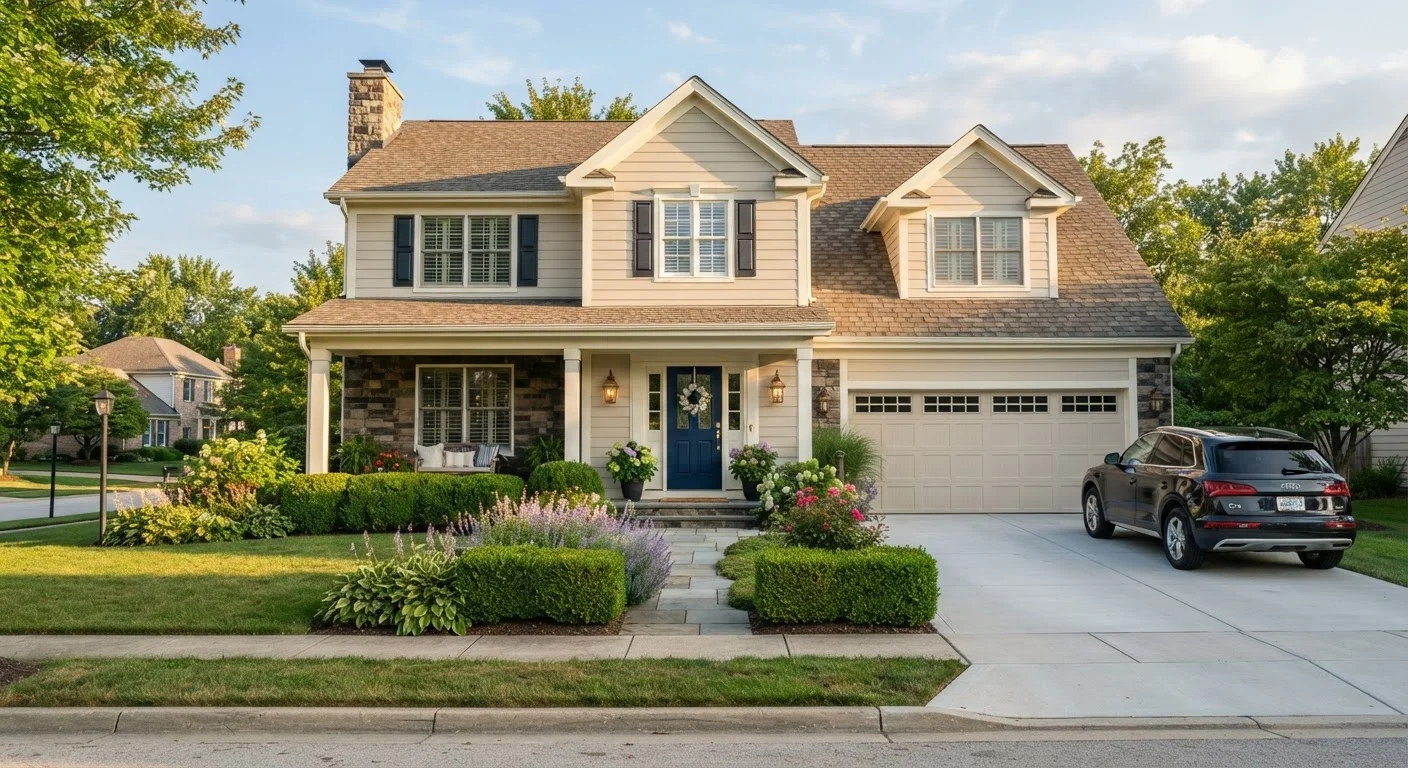
Photo: TheSearchHound.com | One Stop Answer To All Your Questions editorial
Key Takeaways
- Fresh paint on the front door alone can dramatically change a home's perceived character and condition.
- Exterior lighting upgrades are often underestimated despite their outsized visual and safety impact.
- Consistent landscaping maintenance creates a sense of order that elevates every other exterior feature.
- Gutter condition is frequently visible from the street and signals how well a home is cared for.
- Matching or updating hardware and fixtures creates cohesion that makes upgrades look intentional.
- Many high-impact curb appeal improvements are realistic DIY projects requiring modest time or budget.
Why Curb Appeal Deserves More Strategic Attention
Most homeowners think of curb appeal as cosmetic - a nicety rather than a necessity. But the exterior of a home shapes first impressions instantly, whether that's a neighbor walking by, a guest arriving for the first time, or a prospective buyer stepping out of a car. What people see in those first few seconds anchors everything they feel about a property afterward.
The good news is that the upgrades with the strongest visual payoff aren't always the most expensive. In fact, some of the changes that make the largest difference are ones many homeowners overlook entirely - not because they're hidden, but because they blend into the background until they're improved. Understanding which exterior updates carry real weight helps you prioritize effort and spending where it actually shows.
This list focuses on upgrades that tend to outperform expectations - the ones where the before-and-after contrast surprises even homeowners who know their property well. Whether you're preparing to sell, returning to a neglected exterior, or simply want your home to feel more put-together, these are worth understanding first. For a broader look at keeping your home in top condition, the Home Maintenance hub covers essential upkeep across every area of the house.
Front Door Paint or Replacement
The front door functions like a focal point in a painting - the eye goes there first. A faded, chipped, or dated door diminishes the entire facade, while a freshly painted or replaced door can make a home look noticeably newer and more cared for. Deep, saturated colors - navy, charcoal, forest green, burgundy - tend to read well against most exterior palettes, though the right choice depends on your siding color and architectural style.
Repainting a door is a manageable DIY project for most homeowners. Proper surface prep (cleaning, light sanding, priming bare wood) makes a significant difference in how long the finish holds up. If the door itself is warped, poorly sealed, or energy-inefficient, replacement may be the more practical path.
A fresh coat on the front door can make an entire facade look noticeably newer.
Exterior Lighting Upgrades
Outdoor lighting is easy to overlook during daylight hours, but it has a disproportionate effect on how a home looks at dusk and into the evening - and on how safe and welcoming an entry feels. Outdated brass or corroded fixtures can age a home's appearance considerably, even when everything else looks maintained.
Replacing entry fixtures, adding path lighting, or installing low-voltage landscape spotlights are upgrades that change both the daytime aesthetic and the nighttime character of a property. Solar-powered path and accent lights have become reliable enough for most climates and require no electrical work, making them accessible DIY options. For any fixture that requires wiring into a circuit, consult a licensed electrician.
Updated exterior lighting changes how a home reads both day and night.
Gutter Cleaning and Repair
Gutters sit at eye level on most single-story homes and are easily visible from the street on two-story properties. Sagging sections, rust stains, or overflowing debris make even an otherwise tidy home look neglected. Beyond appearances, poorly maintained gutters can contribute to fascia rot, foundation erosion, and basement moisture - problems that are far more expensive to fix than the gutters themselves.
Cleaning gutters twice a year and resealing joints or replacing damaged sections is maintenance most homeowners can handle. For a deeper look at what's actually at stake, why your gutters matter more than you think explains the full range of consequences that come from deferred gutter care.
Sagging or stained gutters signal neglect faster than almost any other exterior detail.
Consistent Lawn and Bed Maintenance
A mowed lawn with defined edges communicates care and order in a way that no single ornamental upgrade can replicate. Overgrown grass, weedy beds, and dead plantings visually undercut every other improvement. Conversely, even modest landscaping - a neatly edged lawn, a few well-placed shrubs, a layer of fresh mulch - gives the whole property a composed, maintained look.
Consistency matters more than ambition here. A simple landscape that's regularly maintained will always outperform an elaborate design that isn't. Edging along walkways and driveways, refreshing mulch once a season, and removing dead plants are all high-return tasks. The Lawn & Garden hub covers seasonal techniques and plant selection for homeowners looking to go further.
Consistent lawn maintenance creates visible order that amplifies every other upgrade.
Hardware and Fixture Cohesion
House numbers, door knockers, mailboxes, light switch plates, and exterior hardware are small individually, but together they create either a sense of intentional design or visual noise. Mixed finishes - some brushed nickel, some oil-rubbed bronze, some original brass - read as unfinished even when everything is technically functional.
Choosing a single finish and updating fixtures to match is a low-cost, high-impact way to make exterior improvements look deliberate rather than accumulated. This kind of visual cohesion is especially valuable if you've made other upgrades over time - it ties everything together without requiring any structural change.
Matching hardware finishes makes a collection of upgrades look like a deliberate design.
Driveway and Walkway Condition
Cracked concrete, heaved pavers, or an oil-stained asphalt driveway draw the eye even when nothing else is wrong. These surfaces cover a large portion of what's visible from the street, so their condition carries significant visual weight. Pressure washing an existing driveway can remove staining that has built up over years and dramatically refresh the surface without replacement.
For more significant cracking or settling, options range from patching compounds to full resurfacing to replacement - a contractor evaluation helps clarify what's necessary versus what's cosmetic. Keeping walkways clear, level, and clean is also a basic safety consideration, not just an aesthetic one. Deferred surface maintenance is a pattern worth recognizing early; the real cost of skipping routine home maintenance illustrates how these small deferrals add up.
A pressure-washed driveway can look dramatically different without any structural repair.
Trim Paint and Fascia Condition
Exterior trim - window surrounds, corner boards, soffit, and fascia - frames the entire house the way a mat frames a picture. When trim paint is peeling or the fascia shows signs of rot or moisture damage, it signals deferred maintenance to anyone looking closely. Fresh trim paint is a weekend project on most single-story homes and costs relatively little in materials.
Fascia repair or replacement is more involved and should be assessed carefully, since rotted fascia can be a symptom of underlying gutter or roof drainage problems rather than just a surface issue. Roof maintenance myths that could cost you money is useful context for understanding how roofline components interact.
Clean, freshly painted trim frames the house the way a mat frames a piece of art.
Putting It All Together
Curb appeal improvements work best when they feel cohesive rather than piecemeal. A freshly painted door loses some of its impact next to peeling trim. New lighting looks out of place beside rusted house numbers. As you work through exterior updates, step back periodically - ideally from the street - and assess what still draws attention for the wrong reasons.
Keep in mind that some exterior work, particularly anything involving electrical wiring for outdoor fixtures or structural repairs to siding and fascia, may require permits or a licensed contractor depending on your local code. Always verify requirements with your municipality before starting. For homeowners thinking about how exterior condition factors into a home's overall value picture, it's worth reading why the home inspection matters more than the listing photos - a reminder that what lies beneath the surface matters just as much as what visitors see at the curb.
Evaluate from the Street, Not the Driveway
The content on this site is provided for informational purposes only and should not be considered a substitute for professional advice. While we strive to provide accurate and up-to-date information, we make no guarantees regarding its completeness or accuracy. Always consult a qualified professional for advice specific to your circumstances before making any decisions.