
Why the Home Inspection Matters More Than the Listing Photos

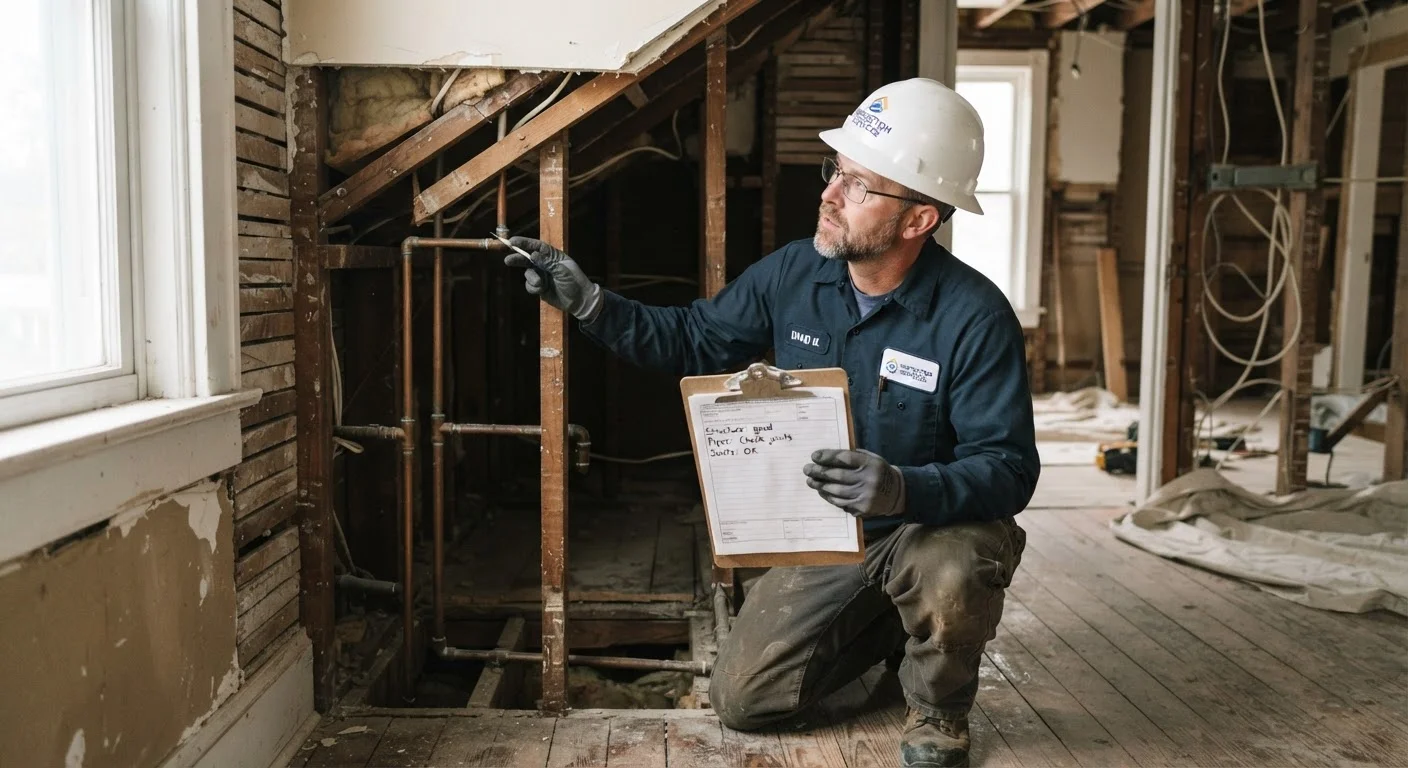
Photo: TheSearchHound.com | One Stop Answer To All Your Questions editorial
Key Takeaways
- Listing photos are curated marketing; an inspection report is an objective record of a home's actual condition.
- Inspectors evaluate structural components, roofing, electrical, plumbing, HVAC, and more - but only what is visible and accessible.
- The inspection report is a negotiating tool, not an automatic reason to walk away from a purchase.
- Buyers should attend the inspection in person whenever possible to ask questions directly.
- Some defects - like radon or sewer problems - require separate specialized testing beyond a standard inspection.
What Listing Photos Are - and Aren't
Professional real estate photography is designed to present a home at its most attractive. Wide-angle lenses expand rooms, bright lighting softens wear, and strategic staging conceals clutter or damage. None of this is inherently deceptive - it's standard marketing practice. But it means the images a buyer spends hours studying online may tell an incomplete story.
A listing photo won't show the hairline crack behind a freshly painted wall, the aging electrical panel tucked in a corner of the basement, or the slow leak under the kitchen sink. Understanding that limitation is the first step toward approaching any home purchase with clear eyes. For a related look at how visuals can mislead in other consumer contexts, see how product images can mislead.
What a Licensed Inspector Actually Examines
A standard home inspection covers the home's major systems and structural elements. Most inspectors follow guidelines established by professional associations such as the American Society of Home Inspectors (ASHI) or InterNACHI. While exact scope varies, buyers can generally expect an inspector to evaluate:
- Structural components: Foundation, framing, floors, walls, ceilings, and roof structure
- Roofing: Shingles, flashing, gutters, and drainage - problems here can have cascading effects; learn more about gutter-related risks in why gutters matter more than you think
- Electrical system: Panel condition, wiring type, outlets, and visible safety hazards
- Plumbing: Water pressure, supply and drain lines, water heater condition, and visible leaks
- HVAC: Heating and cooling equipment age, function, and filter condition
- Insulation and ventilation: Attic insulation levels and moisture indicators
- Windows and doors: Operation, sealing, and signs of water intrusion
The inspector documents findings in a written report, typically delivered within 24 hours of the visit, with photographs of problem areas.
~86%
Buyers who get a home inspection
According to the National Association of Realtors, the large majority of home buyers choose to have a professional inspection before finalizing a purchase.
$14,000+
Average cost of major roof replacement
The cost to replace a roof varies widely by size and material, but industry estimates from sources like HomeAdvisor place average full replacements well into the thousands - a defect easily surfaced in an inspection.
1 in 5
Homes with radon levels above EPA action threshold
The U.S. Environmental Protection Agency estimates approximately one in five homes tested has radon levels at or above the recommended action level of 4 pCi/L - undetectable without specialized testing.
What Inspectors Cannot See
The boundaries of a standard inspection matter just as much as what it covers. Inspectors work visually - they do not open walls, excavate soil, or dismantle equipment. Common issues that may escape a standard inspection include:
- Hidden mold inside wall cavities or beneath flooring
- Sewer line condition (requires a separate camera scope)
- Radon gas levels (requires a dedicated air test)
- Pest or termite damage behind finished surfaces
- Underground oil tanks or buried environmental hazards
Buyers in certain regions or older homes should consider ordering specialized tests alongside - not instead of - the standard inspection. Your real estate agent or the inspector can advise which add-ons are common practice in a given area.
Attend the Inspection in Person
How to Use the Inspection Report Strategically
Receiving an inspection report with a long list of findings can feel alarming, but length alone is not the measure of a property's problems. Every home - even a new construction - will have some items noted. The skill is distinguishing between deferred maintenance, items to monitor, and genuine safety or cost concerns that warrant action.
Material defects - those that significantly affect the home's value or safety - are the findings that typically support a renegotiation. Buyers can request that the seller make specific repairs before closing, accept a price reduction, or provide a credit applied at closing. A qualified real estate attorney or buyer's agent can help evaluate which approach fits a given situation.
Before you even reach the offer stage, questions worth asking before making an offer can help you identify red flags earlier in the process. And once you own the home, keeping a home maintenance log helps you track repairs and plan ahead - using the inspection report as a baseline is a smart starting point.
This article is for general informational purposes only and does not constitute legal, financial, or professional real estate advice. Consult a licensed real estate professional, attorney, or inspector for guidance specific to your situation.
Frequently Asked Questions
The content on this site is provided for informational purposes only and should not be considered a substitute for professional advice. While we strive to provide accurate and up-to-date information, we make no guarantees regarding its completeness or accuracy. Always consult a qualified professional for advice specific to your circumstances before making any decisions.