
Interior Paint Finishes Decoded: Flat, Eggshell, Satin, and Beyond

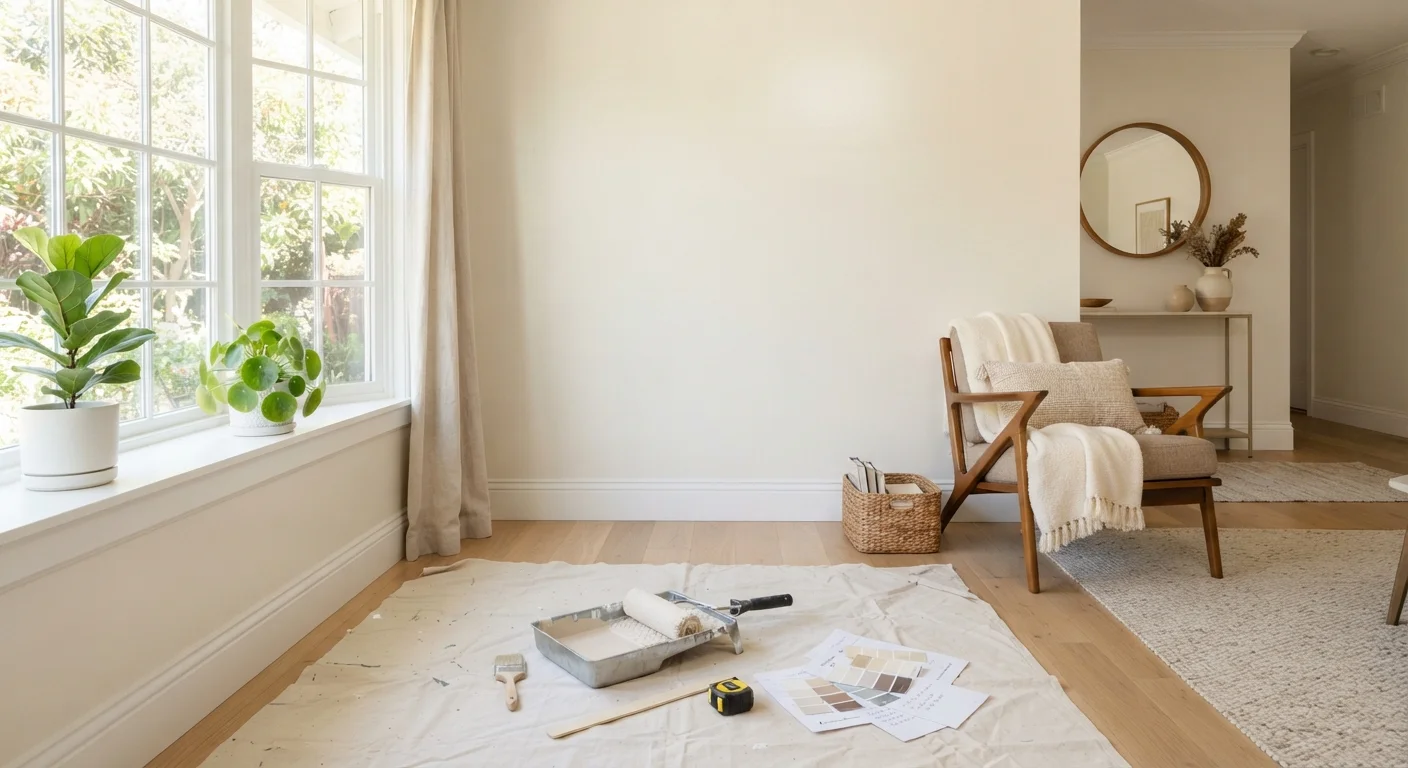
Photo: TheSearchHound.com | One Stop Answer To All Your Questions editorial
Why Paint Finish Matters as Much as Color
Most homeowners spend considerable time choosing a paint color, then pick a finish almost as an afterthought. That's an easy mistake to make - and one that can lead to walls that show every scuff in a high-traffic hallway or a bathroom ceiling that traps moisture and peels prematurely.
Paint finish, also called sheen level, describes how much light a dried paint surface reflects. A high sheen creates a glossier, more reflective surface; a low sheen produces a matte, light-absorbing look. Each sheen level comes with tradeoffs in durability, washability, and how well it hides surface imperfections.
| Finish types (low to high sheen) | Flat → Matte → Eggshell → Satin → Semi-Gloss → Gloss |
| Best finish for ceilings | Flat or ceiling-specific flat paint |
| Best finish for bathrooms | Satin or semi-gloss |
| Best finish for trim and doors | Semi-gloss or gloss |
| Best finish for living rooms | Flat, matte, or eggshell |
| Most washable finishes | Semi-gloss and gloss |
Understanding these tradeoffs lets you choose strategically for each room rather than defaulting to one finish throughout the house.
The Main Finish Types Explained
Here's a plain-language breakdown of the finishes you'll find on most paint labels, ordered from least to most reflective:
Flat / Matte
The lowest sheen level, with little to no light reflection. Excellent at hiding surface imperfections but the hardest to clean - scrubbing can remove the paint film or leave shiny spots.
Eggshell
Named for the subtle sheen of an actual eggshell. Slightly more reflective than flat, and meaningfully more washable. A popular all-purpose finish for living spaces.
Satin
A smooth, soft-glow finish that sits between eggshell and semi-gloss. It's durable, easy to wipe clean, and works well in high-traffic or moderate-moisture areas.
Semi-Gloss
A noticeably reflective finish commonly used on trim, doors, and kitchen or bathroom surfaces. It's highly washable and resists moisture, but shows surface flaws more readily.
Gloss / High-Gloss
The most reflective finish available. Extremely durable and easy to clean, but it amplifies every imperfection on a surface. Typically reserved for trim, cabinetry, and furniture.
Sheen Level
A measure of how reflective a dried paint surface is, often expressed as a percentage of light reflected at a specific angle. Higher sheen means more light is bounced back.
One important nuance: finish names aren't perfectly standardized across paint manufacturers. What one brand calls satin, another may call low-lustre. Always check the sheen percentage on the label if precision matters for a specific project.
Matching Finish to Room
The right finish depends on three things: how much traffic the surface gets, how much moisture it's exposed to, and how much surface imperfection you need to hide.
- Living rooms and bedrooms: Flat or matte finishes are popular here because they absorb light beautifully and hide drywall imperfections or old nail holes. Since these spaces typically see light wear, the lower washability of flat paint is rarely a problem.
- Kitchens: Satin or semi-gloss are the workhorses of kitchen walls. They stand up to grease, moisture, and repeated wiping. For kitchen cabinets, a semi-gloss or even gloss finish is often preferred for durability - see our guide to cabinet painting and refacing options for more on cabinet-specific choices.
- Bathrooms: Moisture is the main enemy here. Satin or semi-gloss resist humidity and are easier to wipe down. Avoid flat paint in bathrooms unless it's specifically formulated as moisture-resistant.
- Hallways and kids' rooms: These high-traffic areas benefit from eggshell or satin, which tolerate scrubbing better than flat without looking as shiny as semi-gloss.
- Ceilings: Flat paint is nearly universal on ceilings. It hides texture imperfections and reduces glare from overhead lighting. Most paint retailers sell ceiling-specific flat formulas.
- Trim and doors: Semi-gloss or gloss finishes are standard on baseboards, door frames, and window trim. The harder, more reflective surface resists dings and is easy to wipe clean.
Common Mistakes and Tips for a Better Result
Even with the right finish selected, a few practical pitfalls can undercut your results:
- Skipping primer: A quality primer is especially important when switching from a high-sheen finish to a lower one, or when painting over dark colors. Primer helps the topcoat adhere and look even.
- Using flat paint in damp areas: Standard flat paint is porous and doesn't resist moisture well. Mold and peeling are common consequences in bathrooms or laundry rooms.
- Over-rolling texture: Higher-sheen paints are less forgiving of application technique. Roller stipple and lap marks are more visible under satin or semi-gloss. Use a quality roller cover appropriate to your surface texture and maintain a wet edge as you work.
- Ignoring the substrate condition: High-gloss finishes highlight imperfections rather than hiding them. If walls have cracks, dings, or rough patches, repair and sand them before applying anything shinier than eggshell.
When in doubt, test a sample before committing to a full room. Most paint suppliers offer small sample sizes. Apply the sample to the actual wall, let it dry fully (sheen appears different when wet), and evaluate it in both daylight and artificial light before purchasing gallons.
The content on this site is provided for informational purposes only and should not be considered a substitute for professional advice. While we strive to provide accurate and up-to-date information, we make no guarantees regarding its completeness or accuracy. Always consult a qualified professional for advice specific to your circumstances before making any decisions.