
Home Maintenance Tasks That Are Harder to DIY Than They Look

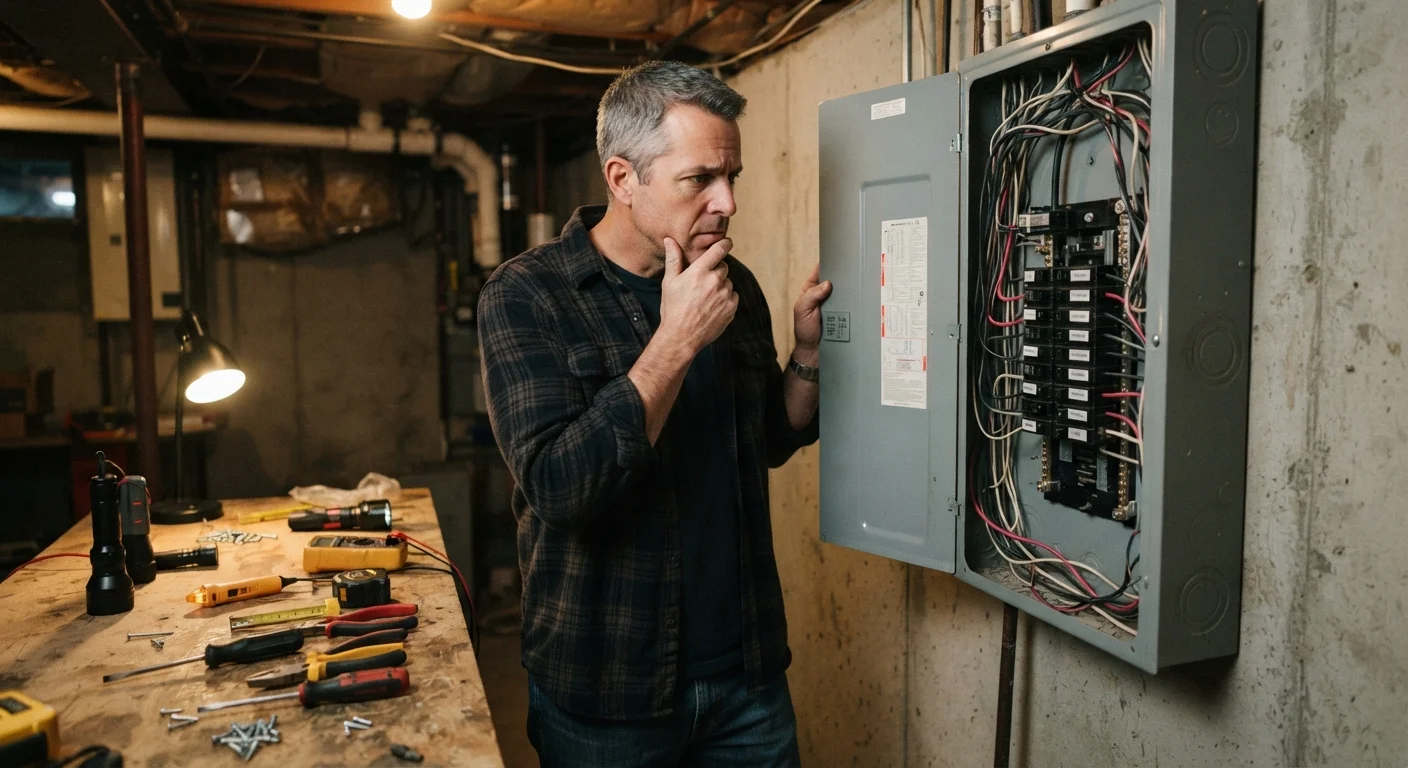
Photo: TheSearchHound.com | One Stop Answer To All Your Questions editorial
Key Takeaways
- Several common home maintenance tasks carry hidden hazards that DIY approaches can make significantly worse.
- Electrical, gas, structural, and plumbing work often require licensed professionals and local permits.
- Misjudging a task's complexity can result in costly repairs, code violations, or serious safety risks.
- Knowing when to call a professional is one of the most valuable skills a homeowner can develop.
When the Tutorial Makes It Look Easy
Home improvement videos and step-by-step guides have made ambitious DIY projects more accessible than ever. That's largely a good thing-routine maintenance tasks like caulking windows, patching drywall, or cleaning gutters are well within most homeowners' reach. But the same confidence that helps you tackle a leaky faucet can lead you into territory where the stakes are much higher.
Some tasks appear straightforward on the surface but conceal real risks: safety hazards, code requirements, or the kind of compounding mistakes that turn a weekend project into an expensive professional rescue. Understanding where that line sits is one of the most practical skills you can develop as a homeowner. For a broader look at when to hire versus when to DIY, it helps to understand the specific categories that most often trip people up.
Permits Exist to Protect You
Tasks That Commonly Exceed DIY Limits
Electrical Panel Upgrades and Wiring Changes
Swapping a breaker or adding a circuit may look like a quick job-but working inside a live electrical panel exposes you to potentially fatal shock. Even with the main breaker off, the utility-side connections remain energized. Beyond personal safety, unpermitted electrical work can void homeowner's insurance, create fire hazards behind walls, and flag issues during a home sale inspection.
In most states and municipalities, panel work requires a licensed electrician and a permit that triggers an inspector's sign-off. If your home's wiring is aging or you're noticing frequently tripped breakers, that's the moment to call a professional rather than experiment.
The utility-side connections inside an electrical panel stay live even when your main breaker is off.
Gas Line Repairs and Appliance Connections
Connecting a gas dryer or range feels like a logical DIY step-but gas line work is among the highest-risk jobs in a home. A small leak can accumulate silently, and a single spark is all it takes. Flexible gas connectors can crimp, corrode, or fail if improperly routed, and some older connector types have been recalled for safety concerns.
Most jurisdictions require a licensed plumber or gas fitter for any work on gas supply lines. Even for appliance connections, checking local code requirements before proceeding is essential. When in doubt, the cost of a professional is far outweighed by the risk of getting it wrong.
A gas leak can accumulate silently for hours before a spark triggers a dangerous result.
Removing Walls Without Confirming Load-Bearing Status
Open-concept renovations are popular, and it's tempting to swing a sledgehammer once you've watched a few online tutorials. But removing a load-bearing wall without proper support causes structural damage that can range from sagging floors to roof collapse. The difference between a load-bearing and non-load-bearing wall isn't always visible from the surface.
A structural engineer or experienced licensed contractor should assess any wall before removal. This typically involves reviewing your home's framing plan and inspecting the floor and roof structure above. Permits are almost always required, and skipping them can create serious complications when selling your home.
Removing a load-bearing wall without proper support can cause structural damage ranging from sagging floors to roof failure.
Roof Repairs and Flashing Work
Patching a few shingles sounds simple enough, but roofing involves more than nail placement. Improper flashing around chimneys, skylights, and valleys is the leading cause of slow leaks that cause extensive water damage over months or years before they're discovered. Additionally, working on a sloped roof without the right safety equipment and technique is a leading cause of serious homeowner injuries.
Professional roofers understand how to layer materials so water sheds correctly and how to integrate flashing with existing systems. Unless you have experience and proper fall protection, even minor repairs are worth a professional evaluation-especially before a wet season. See our guide on seasonal maintenance timing for when to schedule roof inspections proactively.
Improper flashing installation is a leading cause of hidden leaks that silently damage a home for months.
Main Plumbing Line Work and Drain Replacements
Clearing a slow drain with a plunger or a hand auger is well within most homeowners' reach. But work that touches the main supply line, drain-waste-vent system, or any connection requiring the water main to be shut off is a different category. Mistakes here can result in flooding, sewage backup, or damage to shared building infrastructure in multi-unit homes.
Additionally, older homes may have galvanized steel or cast iron pipes that behave unpredictably when disturbed. What starts as replacing a shutoff valve can quickly become a larger pipe replacement if corroded sections crack under stress. Licensed plumbers carry insurance and understand how local code affects acceptable materials and methods.
Disturbing corroded older pipes during a simple repair can trigger a larger, costlier replacement job.
Asbestos and Lead Paint Disturbance
Homes built before the 1980s may contain asbestos insulation, floor tiles, or joint compound-and lead paint in layers beneath more recent finishes. Both materials are manageable if left undisturbed, but sanding, drilling, or demolishing them releases hazardous particles. DIY disturbance of these materials without proper containment and protective equipment creates serious health risks for anyone in the home.
Federal regulations require certified abatement contractors for certain renovation work in pre-1978 homes. Before any major renovation in an older home, testing for these materials is a wise first step. The realities of maintaining an older home go well beyond cosmetics, and this is one area where the stakes are genuinely high.
Sanding or demolishing surfaces containing asbestos or lead without proper containment creates serious health hazards.
Ask Before You Attempt
Making Smarter Decisions About Your Home
None of this is meant to discourage homeowners from developing skills or tackling real projects. The goal is to be clear-eyed about which tasks carry hidden complexity-so you can make informed choices rather than expensive ones. A homeowner who knows their limits is far ahead of one who doesn't.
If you're building out a maintenance routine, seasonal maintenance checklists can help you stay ahead of problems before they become urgent. And if you're newer to homeownership, a structured overview of essential systems is a practical place to start. Understanding what you have before something breaks is always the better position to be in.
When you do bring in a professional, ask them to walk you through what they're doing and why. That knowledge makes you a more capable homeowner on every project that follows-DIY or not.
The content on this site is provided for informational purposes only and should not be considered a substitute for professional advice. While we strive to provide accurate and up-to-date information, we make no guarantees regarding its completeness or accuracy. Always consult a qualified professional for advice specific to your circumstances before making any decisions.