
Sump Pumps: What They Do and When They Need Attention

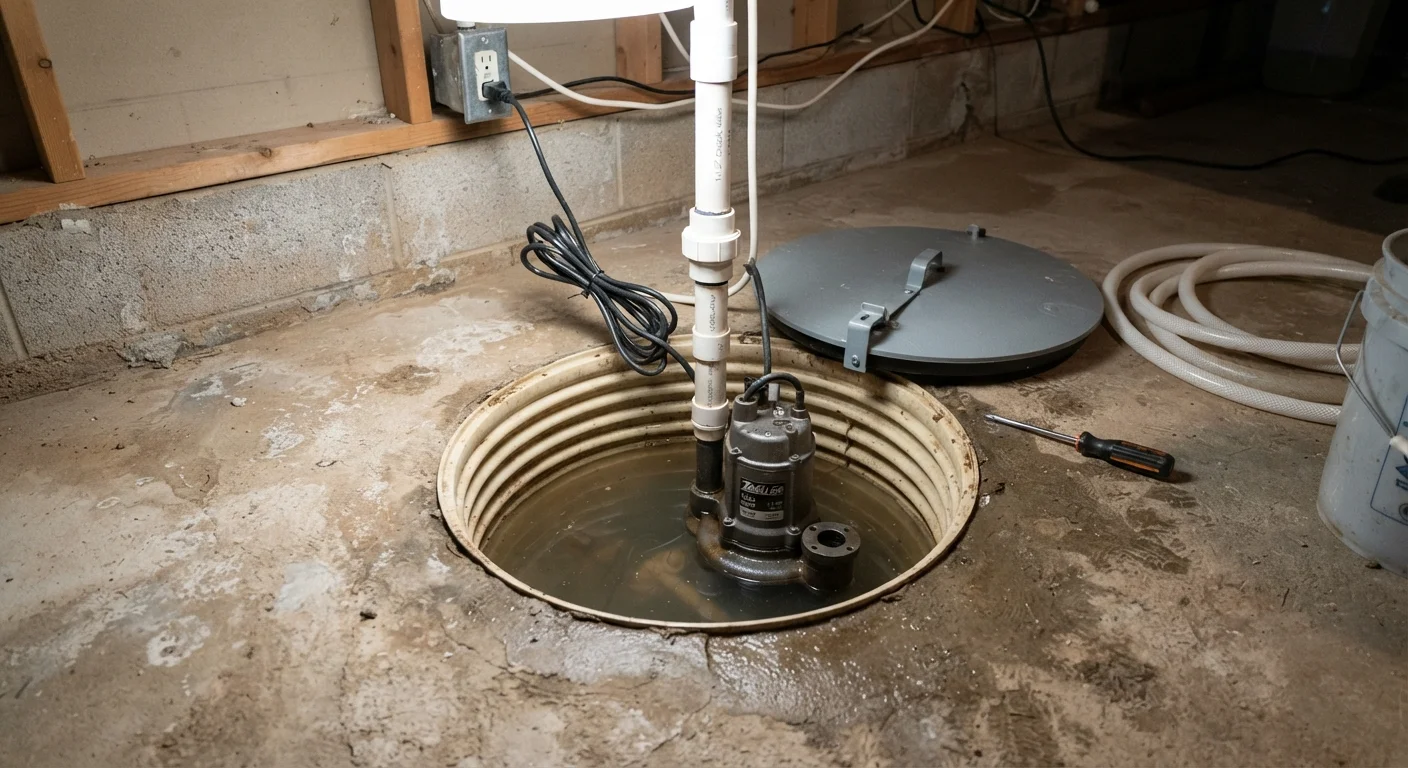
Photo: TheSearchHound.com | One Stop Answer To All Your Questions editorial
Key Takeaways
- Sump pumps protect basements from groundwater flooding by automatically pumping water away from your foundation.
- Testing your sump pump before heavy rain season is one of the most important preventive maintenance steps.
- Most sump pumps last 7-10 years, though this varies with usage frequency and water quality.
- A battery backup unit can keep your pump running during power outages - when storms most often cause flooding.
- Unusual noises, constant cycling, or visible rust are warning signs that your pump needs professional attention.
How a Sump Pump Actually Works
Rainwater and groundwater naturally migrate toward the lowest point on your property - which, for many homes, is directly beneath the basement floor. A sump pump intercepts that water before it can seep through your foundation walls or floor.
Here's the basic process: Water flows or is directed into the sump pit (also called a sump basin) through drainage channels or simply by gravity. As the water level in the pit rises, it lifts a float switch - similar in principle to the float in a toilet tank. Once the float reaches a set height, it triggers the pump motor, which forces the water up and out through a discharge pipe that carries it safely away from your home's foundation.
When the water level drops, the float descends and the pump shuts off automatically. The whole cycle typically takes only seconds to minutes, which is why most homeowners never notice it working until something goes wrong.
If you're a new homeowner trying to understand all the systems in your house, our guide for first-time homeowners covers sump pumps alongside other essential systems to familiarize yourself with early.
7-10 years
Typical residential sump pump lifespan
Pump longevity varies with usage frequency, water quality, and whether the unit runs year-round or only seasonally.
~60%
U.S. homes with below-grade areas that experience moisture
According to the American Society of Home Inspectors, approximately 60% of homes with basements experience some form of below-grade moisture.
5 minutes
Time needed to test a sump pump
A simple bucket-pour test is all it takes to confirm your pump activates, drains properly, and shuts off as expected.
Warning Signs Your Sump Pump Needs Attention
Sump pumps are largely out of sight, which means problems can develop quietly. Knowing what to look and listen for can help you catch issues before they become emergencies.
- Strange noises: Grinding, rattling, or gurgling sounds during operation often indicate a worn impeller (the internal pump mechanism) or debris caught in the intake.
- Constant running: A pump that never shuts off may have a stuck float switch or be undersized for the water volume entering the pit.
- Visible rust or corrosion: Surface rust on the pump body can signal that the unit is nearing the end of its useful life.
- Water in the basement despite the pump running: This could mean the discharge pipe is blocked or frozen, or the pump lacks the capacity to keep up.
- The pump never runs: If there's been significant rain and the pump hasn't activated, test it manually (see below).
Unexplained moisture or musty odors in your basement can also be early indicators of water intrusion. For a broader look at moisture-related warning signs, see our guide on spotting plumbing leaks before they spread.
Test Before Storm Season, Not During
How to Test Your Sump Pump
Testing your sump pump takes about five minutes and should be done at least once a year - ideally in early spring before heavy rain season begins. It's also smart to test it any time you've been away from home for an extended period.
- Locate the sump pit - usually in a corner of the basement floor, covered with a lid.
- Remove the lid and confirm the pit is clear of debris.
- Pour water slowly into the pit using a five-gallon bucket. Watch the float rise as the water level increases.
- Confirm the pump activates - you should hear the motor and see the water level drop quickly.
- Verify the discharge - go outside and confirm water is exiting the discharge pipe and flowing away from the foundation.
- Replace the lid once the pit is nearly empty and the pump shuts off.
If the pump fails to activate, runs but doesn't clear water, or makes unusual sounds during the test, contact a licensed plumber. Do not attempt to repair internal pump components unless you have confirmed experience with plumbing systems.
For a full checklist of seasonal tasks including this one, see our seasonal home maintenance guide.
Battery Backup and When to Call a Professional
One of the most common - and costly - sump pump failures happens during power outages caused by severe storms. Since these are the exact conditions that produce the most groundwater, a pump that can't run during an outage offers little protection when it matters most.
A battery backup sump pump is a secondary unit that operates independently of your home's electricity. It activates automatically if the primary pump fails or loses power. While installation specifics and costs vary, it's generally considered a worthwhile investment for homes in flood-prone areas or regions with frequent summer storms.
When to call a licensed plumber or waterproofing professional:
- The pump is more than 7-10 years old and showing signs of wear
- You need a new sump pit excavated or drainage tile installed
- The pump trips your electrical breaker or shows signs of electrical issues
- Water is entering the basement despite a functioning pump
- You're considering adding a battery backup and aren't comfortable with the installation
Electrical work connected to sump pump systems - including dedicated circuits or backup battery wiring - should always be handled by a licensed electrician. Verify whether your local jurisdiction requires a permit for new sump pump installations or drainage system modifications before any work begins.
Permits and Codes May Apply
Frequently Asked Questions
The content on this site is provided for informational purposes only and should not be considered a substitute for professional advice. While we strive to provide accurate and up-to-date information, we make no guarantees regarding its completeness or accuracy. Always consult a qualified professional for advice specific to your circumstances before making any decisions.