
Plumbing Leaks: Spotting the Signs Before the Damage Spreads

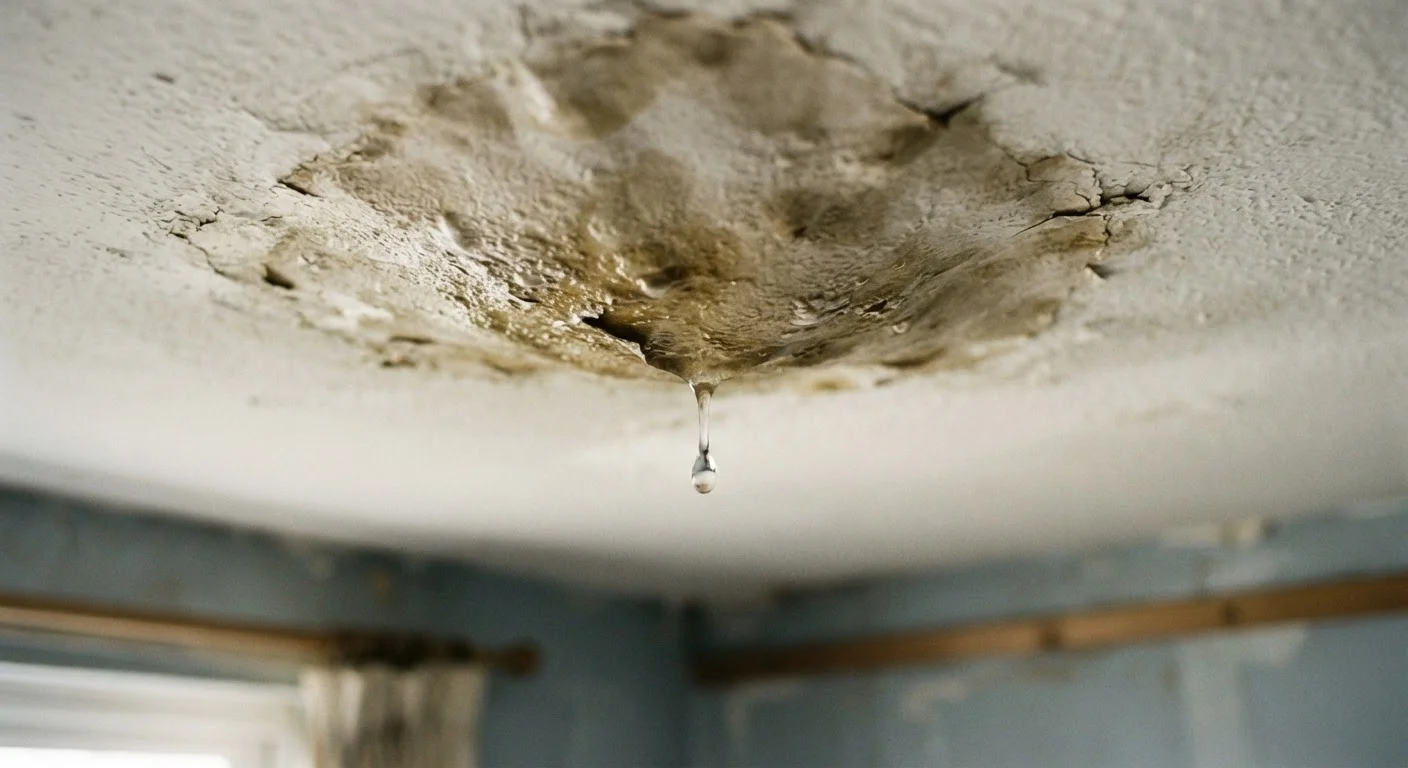
Photo: TheSearchHound.com | One Stop Answer To All Your Questions editorial
Key Takeaways
- Most plumbing leaks show indirect signs-stains, odors, or pressure changes-long before visible water appears.
- A sudden unexplained spike in your water bill is one of the most reliable early indicators of a hidden leak.
- Mold and musty smells behind walls often signal moisture from a slow pipe leak, not surface condensation.
- Drain-side leaks can go undetected for years because they carry no water pressure to force the issue.
- Catching a leak early dramatically reduces repair costs and limits structural damage to your home.
- Any leak involving pressurized lines, gas-adjacent pipes, or structural areas should be assessed by a licensed plumber.
Why Plumbing Leaks Stay Hidden So Long
Most residential plumbing runs inside walls, under floors, and above ceilings-places homeowners rarely look. A pinhole breach in a copper line or a slow seep at a drain fitting can release water for weeks before it migrates to a visible surface. By the time a stain appears on your drywall, the surrounding wood, insulation, and framing may already be compromised.
Unlike a burst pipe, which demands immediate attention, slow leaks behave more like quiet drains on your resources-small and easy to dismiss until the damage is substantial. Understanding the indirect signals they send is the most reliable way to intervene early.
Drain-Side Leaks Are Slower but Still Serious
Key Warning Signs to Look and Listen For
Plumbing leaks rarely announce themselves directly. Train yourself to notice these categories of warning signs:
- Ceiling and wall stains: Yellow or brown discoloration that appears or grows over time suggests water is pooling somewhere above. Bubbling paint or wallpaper is another version of this signal.
- Unexplained water bill increases: A leak dripping continuously can waste hundreds of gallons per month. If your usage jumps with no change in habits, treat it as a red flag.
- Low water pressure: A gradual drop in pressure at one or multiple fixtures can indicate a leak in the supply line diverting water before it reaches the tap.
- Musty or earthy odors: Hidden moisture encourages mold growth. A persistent damp smell in a bathroom, laundry room, or basement-even without visible mold-warrants investigation.
- Soft or warped flooring: Spongy areas near toilets, dishwashers, or under-sink cabinets often indicate prolonged moisture exposure from a slow drain or supply leak.
- Sounds of running water: If you hear water moving when all fixtures are off, something is leaking. This is particularly noticeable at night when background noise is low.
10,000 gal
Water wasted annually by household leaks
The U.S. Environmental Protection Agency estimates that the average American home leaks approximately 10,000 gallons of water per year from drips, running toilets, and faulty fittings.
10%
Homes with leaks wasting 90+ gallons daily
According to EPA WaterSense data, roughly one in ten U.S. homes has leaks severe enough to waste more than 90 gallons of water every day.
~$2,000+
Average water damage claim from leaks
Industry data from insurance sources generally places interior water damage repair claims-frequently tied to undetected plumbing leaks-among the most common and costly types of homeowner claims.
Doing a Simple Leak Check at Home
You don't need specialized equipment to perform a basic leak assessment. Start with the water meter method: locate your meter (usually near the street or sidewalk), record the reading, then avoid using any water-including ice makers and irrigation-for at least 30 minutes. If the meter reading has changed, you have an active leak somewhere in the system.
Next, do a visual walkthrough of every accessible plumbing connection in your home: under kitchen and bathroom sinks, around the base of toilets, behind the washing machine, and near the water heater. Look for mineral deposits, rust staining, or dampness on the floor directly below connections. These are often signs of a slow drip that has been ongoing for some time.
Incorporating this kind of check into a regular schedule-as part of your seasonal home maintenance routine-keeps small problems from compounding. Winter preparation is particularly important: weatherproofing your home before cold weather arrives can prevent freeze-related pipe damage that leads to leaks in the spring.
When to Stop and Call a Licensed Plumber
Some leak situations are appropriate for a capable DIYer-tightening a slip joint under a sink, replacing a worn faucet washer, or reseating a toilet wax ring. Many others are not. The following situations call for a licensed plumbing professional:
- The leak is inside a wall, ceiling, or under a concrete slab
- You cannot locate the source despite visible damage
- There is any sign of sewage or drain gas odor, which could indicate a broken waste line
- Pipes appear corroded, bulging, or significantly aged
- The area around your main shutoff valve or water meter shows moisture
Attempting complex repairs without the right knowledge or permits can void homeowner's insurance claims and create code violations. As our overview of DIY myths that lead homeowners into expensive fixes explains, well-intentioned repairs can sometimes cause more damage than the original problem. Deferring professional help also carries real financial consequences-the real cost of skipping routine home maintenance shows how quickly neglected issues compound.
If your home has a basement, keep in mind that groundwater and plumbing leaks can interact-learning how your sump pump works and when it needs attention can help you distinguish between the two.
Know Where Your Main Shutoff Is
Frequently Asked Questions
The content on this site is provided for informational purposes only and should not be considered a substitute for professional advice. While we strive to provide accurate and up-to-date information, we make no guarantees regarding its completeness or accuracy. Always consult a qualified professional for advice specific to your circumstances before making any decisions.