
Lawn Watering Myths That Are Quietly Killing Your Grass

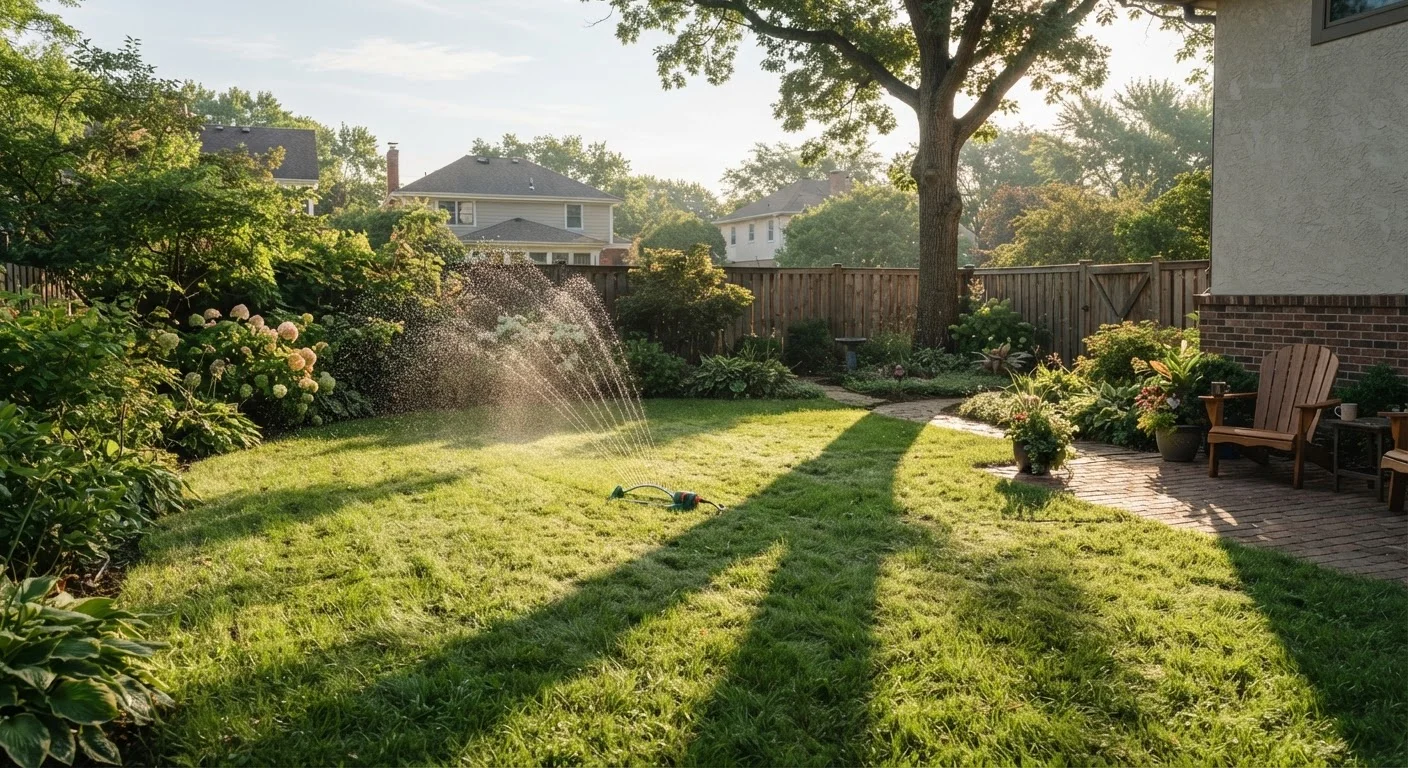
Photo: TheSearchHound.com | One Stop Answer To All Your Questions editorial
Key Takeaways
- Watering deeply and infrequently encourages roots to grow deeper, making grass more drought-resistant.
- Evening watering promotes fungal disease; early morning is the most effective time to irrigate.
- Wilting grass isn't always thirsty - compacted soil or heat stress can mimic drought symptoms.
- More water doesn't mean healthier grass - overwatering is one of the leading causes of lawn decline.
- Grass clippings left on the lawn return moisture and nutrients, not thatch buildup.
Why Watering Myths Are So Persistent
Lawn watering seems straightforward - turn on the sprinkler, keep the grass green. But many of the habits passed down through neighborhoods and garden centers are rooted in intuition rather than evidence. The result is a lot of well-intentioned effort that quietly weakens lawns over time.
Understanding the actual science behind how turfgrass absorbs water, how soil holds moisture, and how roots develop is the first step toward a healthier yard. Many of these myths aren't just ineffective - some actively damage the lawn they're meant to protect. If you're also reconsidering other common home care habits, our piece on DIY myths that lead homeowners into expensive fixes covers similar ground for indoor projects.
Myth
You should water your lawn a little every day to keep it green.
Fact
Frequent shallow watering trains roots to stay near the surface, making grass weaker and more vulnerable to drought and heat.
Grass roots follow moisture. When you water lightly each day, roots have no reason to grow deeper - the water they need is right near the top. Deep, infrequent watering (typically 1 inch, one to two times per week) encourages roots to extend several inches into the soil, where they're insulated from surface temperature swings and can access moisture reserves during dry spells. Most turfgrass specialists recommend allowing the top inch or two of soil to dry between watering cycles to promote this deeper growth pattern.
Myth
Watering in the evening is fine - it's cooler and less water evaporates.
Fact
Evening watering leaves grass blades wet overnight, creating conditions that favor fungal disease and lawn damage.
While it's true that evaporation rates drop in the evening, the trade-off isn't worth it. Moisture sitting on grass blades for 8 to 10 hours in warm conditions is a reliable recipe for fungal diseases like brown patch and dollar spot. Early morning - roughly between 4 a.m. and 9 a.m. - is the optimal window. Temperatures are cool, winds are typically calm, and the sun will naturally dry the surface as the day progresses, reducing disease pressure significantly.
Myth
If your grass looks wilted or bluish-gray, it definitely needs water.
Fact
Wilting can signal drought stress, but it can also result from compacted soil, heat stress, or root damage - adding water won't fix those problems.
The bluish-gray, footprint-retaining appearance of stressed grass is called wilt, and while drought is a common cause, it's not the only one. Severely compacted soil prevents water from reaching roots even when moisture is present. Intense afternoon heat can cause temporary wilt that resolves on its own by evening. Before reaching for the hose, check soil moisture a few inches down. If it's already moist, watering more will likely make things worse by promoting root rot or disease rather than recovery.
Myth
Leaving grass clippings on the lawn causes thatch buildup.
Fact
Grass clippings decompose quickly and do not contribute meaningfully to thatch; they actually return moisture and nutrients to the soil.
Thatch is a layer of undecomposed stems, roots, and organic debris that accumulates between the grass blades and soil. Grass clippings - which are roughly 80-85% water - break down within a week or two and don't contribute significantly to thatch formation. Research from turfgrass programs at several land-grant universities supports the practice of grasscycling (leaving clippings in place) as a way to return nitrogen and reduce irrigation needs. Thatch problems are more commonly tied to overfertilization and certain grass species than to clipping management.
Myth
More water is always better - it's hard to overwater a lawn.
Fact
Overwatering is one of the most common causes of lawn decline, leading to shallow roots, disease, weed pressure, and soil compaction.
Saturated soil pushes oxygen out of the root zone, essentially suffocating grass roots. Persistently wet conditions also favor weeds like crabgrass and nutsedge that thrive in moist environments, and they create ideal conditions for a range of fungal pathogens. In addition, frequent irrigation on clay soils accelerates surface compaction over time. A lawn that receives more water than it can use in a given week is almost always worse off than one that's watered conservatively and allowed to dry slightly between cycles.
Getting Your Watering Routine Right
Once you've cleared out the misconceptions, building a better routine comes down to a few consistent principles: water deeply, water early, and let the soil guide you rather than the calendar.
50%
Water wasted by inefficient home irrigation
According to the U.S. Environmental Protection Agency, about half of the water used for outdoor irrigation is wasted due to overwatering, evaporation, or poor system design.
1 inch/week
Typical water need for most cool- and warm-season grasses
University cooperative extension programs generally recommend approximately one inch of water per week, including rainfall, for most established lawn types.
4-9 a.m.
Optimal morning watering window
Turfgrass management guidelines consistently identify early morning as the best time to irrigate, balancing low evaporation rates with adequate drying time before nightfall.
A simple screwdriver test tells you a lot - push a six-inch screwdriver into your lawn after watering. If it slides in easily, moisture is reaching the root zone. If it meets resistance, your irrigation isn't penetrating deeply enough. Adjust run time or address compaction with core aeration before increasing water volume.
Soil type also matters. Sandy soils drain quickly and may need more frequent light watering, while clay-heavy soils hold moisture longer but are prone to runoff if you water too fast. Matching your irrigation schedule to your specific soil profile saves water and keeps grass genuinely healthy. For a deeper look at delivery methods, see our comparison of drip irrigation vs. sprinkler systems.
Finally, keep fertilization in sync with your watering habits. Dry soil limits a lawn's ability to take up nutrients, while overwatered soil can leach them away. Our guide on keeping a lawn healthy without overdoing fertilizer walks through how to time both for best results.
Don't Ignore Local Water Restrictions
The content on this site is provided for informational purposes only and should not be considered a substitute for professional advice. While we strive to provide accurate and up-to-date information, we make no guarantees regarding its completeness or accuracy. Always consult a qualified professional for advice specific to your circumstances before making any decisions.