
Why Your Gutters Matter More Than You Think

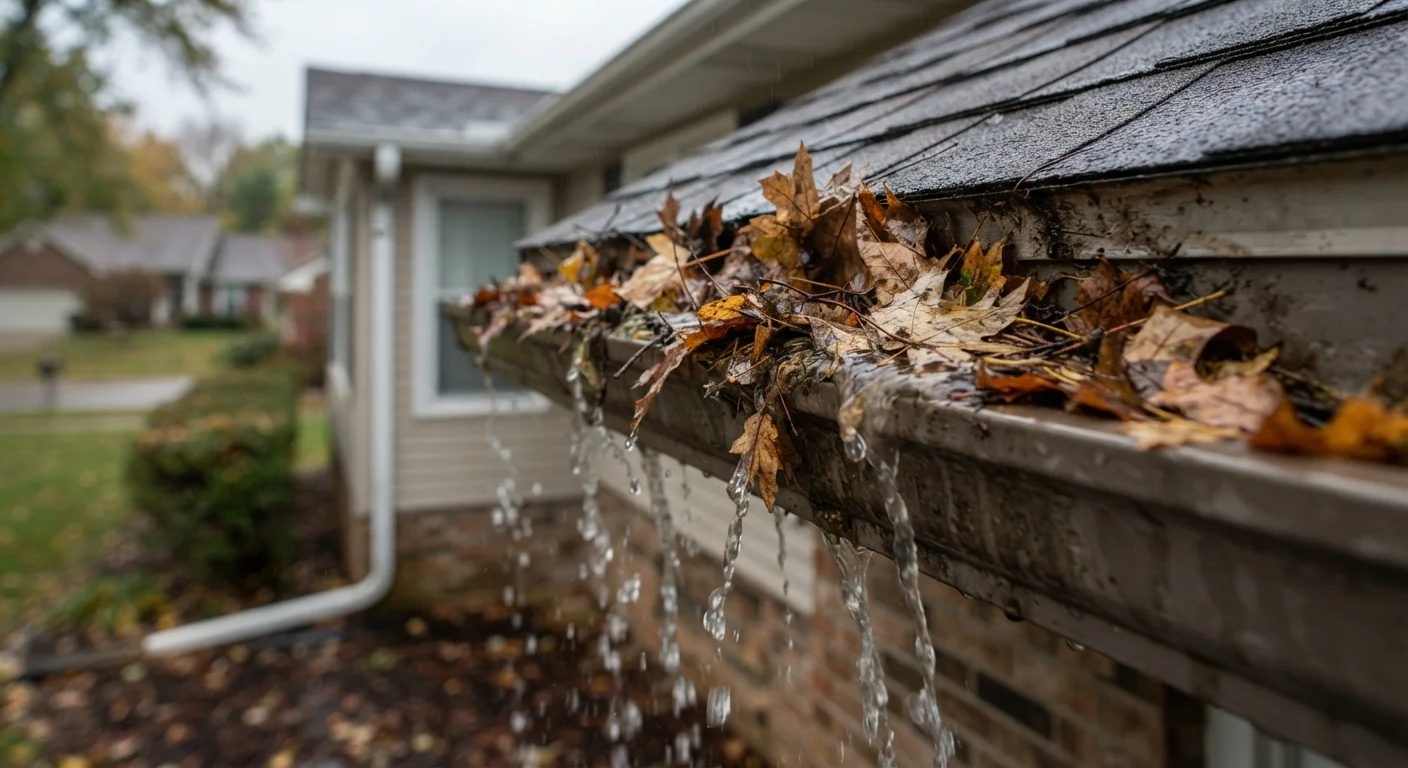
Photo: TheSearchHound.com | One Stop Answer To All Your Questions editorial
Key Takeaways
- Gutters protect your foundation, siding, and basement from water damage - not just your roof.
- Clogged gutters are one of the most common and preventable causes of costly home repairs.
- Most gutters should be cleaned at least twice a year, typically in fall and spring.
- Downspout placement and grading around your home are just as important as the gutters themselves.
- Minor gutter problems - sagging, leaks, poor slope - are often DIY-fixable before they escalate.
What Gutters Are Actually Doing for Your Home
It's easy to underestimate gutters. They sit quietly along your roofline doing invisible work - until something goes wrong. The truth is that a properly functioning gutter system is one of the most important lines of defense your home has against water intrusion.
When it rains, water runs off your roof in surprisingly large volumes. A modest 1,500-square-foot roof can shed hundreds of gallons of water during a single inch of rainfall. Without gutters, all of that water falls directly onto the soil right next to your home, where it saturates the ground, erodes the grade, and begins pressing against your foundation. Over time, that pressure contributes to cracks, settling, and moisture infiltration - damage that is slow to develop but expensive to reverse.
Gutters intercept that water and route it through downspouts to a controlled discharge point away from the structure. That simple act protects your foundation, your basement, your siding, your landscaping, and even the soil stability around your home. They're not decorative. They're load-bearing infrastructure for water management.
~$10,000+
Average cost of foundation repairs
Foundation damage caused by poor water drainage is among the most expensive home repairs homeowners face, according to general contractor estimates widely cited in the home improvement industry.
2x/year
Minimum recommended gutter cleaning frequency
Most home maintenance experts and gutter professionals recommend cleaning gutters at least twice annually - more often for homes with significant tree coverage.
4-6 feet
Minimum downspout discharge distance from foundation
Building and drainage professionals consistently recommend water exit points extend at least 4 to 6 feet away from a home's foundation to protect against soil saturation and basement intrusion.
The Most Common Gutter Problems - and What They Lead To
Most gutter failures start small and get worse slowly, which is exactly why they're easy to ignore until the repair bill arrives. Here are the failure patterns homeowners most commonly encounter:
- Clogs from debris: Leaves, twigs, seed pods, and shingle grit pack into gutters and block flow. Water backs up, sits stagnant, and eventually overflows - exactly where you don't want it.
- Sagging sections: Gutters are held by hangers or spikes into the fascia board. When those fasteners loosen or the gutter fills with heavy wet debris, sections sag and begin to pull away from the roofline.
- Improper slope: Gutters need a slight pitch toward the downspout. Sections that have settled flat pool water, which accelerates rust in steel gutters and encourages mosquito breeding.
- Leaking joints and end caps: Sectional gutters are joined with sealant that degrades over time. Leaking seams direct water straight down your siding or foundation wall.
- Downspout discharge too close to the home: Even a clear, flowing gutter system fails if the downspout empties at the foundation. Extensions or splash blocks that direct water at least 4-6 feet out are essential.
For deeper context on how undetected water problems can compound during a home purchase, see our guide to what home inspectors examine. And if you already have a basement, it's worth understanding how sump pumps work as a backup defense when surface drainage fails.
How to Keep Gutters Working: A Practical Maintenance Routine
Gutter maintenance isn't complicated, but it does require consistency. The following routine covers what most homes need:
Twice-Yearly Cleaning
Plan to clean gutters in late fall (after leaves have finished falling) and again in spring. Use a stable ladder, work gloves, and a small scoop or garden trowel to remove debris by hand. Flush gutters with a garden hose from the far end toward the downspout to check flow and identify clogs.
Inspect While You Clean
While you're up there, look for rust stains, cracks, sagging sections, and gaps at the seams. Reseal leaking joints with gutter-specific sealant (available at hardware stores) and re-secure loose hangers. A minor fix now prevents a full section replacement later.
Check Downspouts and Grade
Run water through each downspout and confirm it flows freely. Then step back and look at the ground-level slope around your home - the grade should fall away from the foundation, not toward it. Poor grading is a common and underappreciated contributor to foundation and basement problems.
After Any Major Storm, Do a Quick Visual Check
Because roofing and gutters share the same vulnerability to neglect, it's useful to read our breakdown of common roof maintenance myths alongside your gutter routine. The two systems interact more than most homeowners realize.
When to Call a Professional
Cleaning accessible gutters is a reasonable DIY project for many homeowners. But some situations call for professional help:
- Your home is multi-story or has a steeply pitched roof where ladder work poses a fall risk.
- Fascia boards behind the gutter show signs of rot, which means the underlying wood - not just the gutter - needs repair.
- Water is consistently appearing in your basement after rain, which may indicate a drainage issue beyond what gutter adjustment alone can fix.
- You're considering a full gutter replacement or a seamless gutter installation, which requires professional equipment to fabricate and fit correctly.
Getting a professional assessment every few years - even if you handle routine cleaning yourself - can catch issues that aren't visible from the ground. If you're thinking about exterior improvements more broadly, our article on exterior upgrades that affect curb appeal covers how functional improvements like gutters tie into your home's overall condition and appearance.
Frequently Asked Questions
The content on this site is provided for informational purposes only and should not be considered a substitute for professional advice. While we strive to provide accurate and up-to-date information, we make no guarantees regarding its completeness or accuracy. Always consult a qualified professional for advice specific to your circumstances before making any decisions.