
When a Deal Is Too Good to Be True: Spotting Counterfeit and Scam Listings

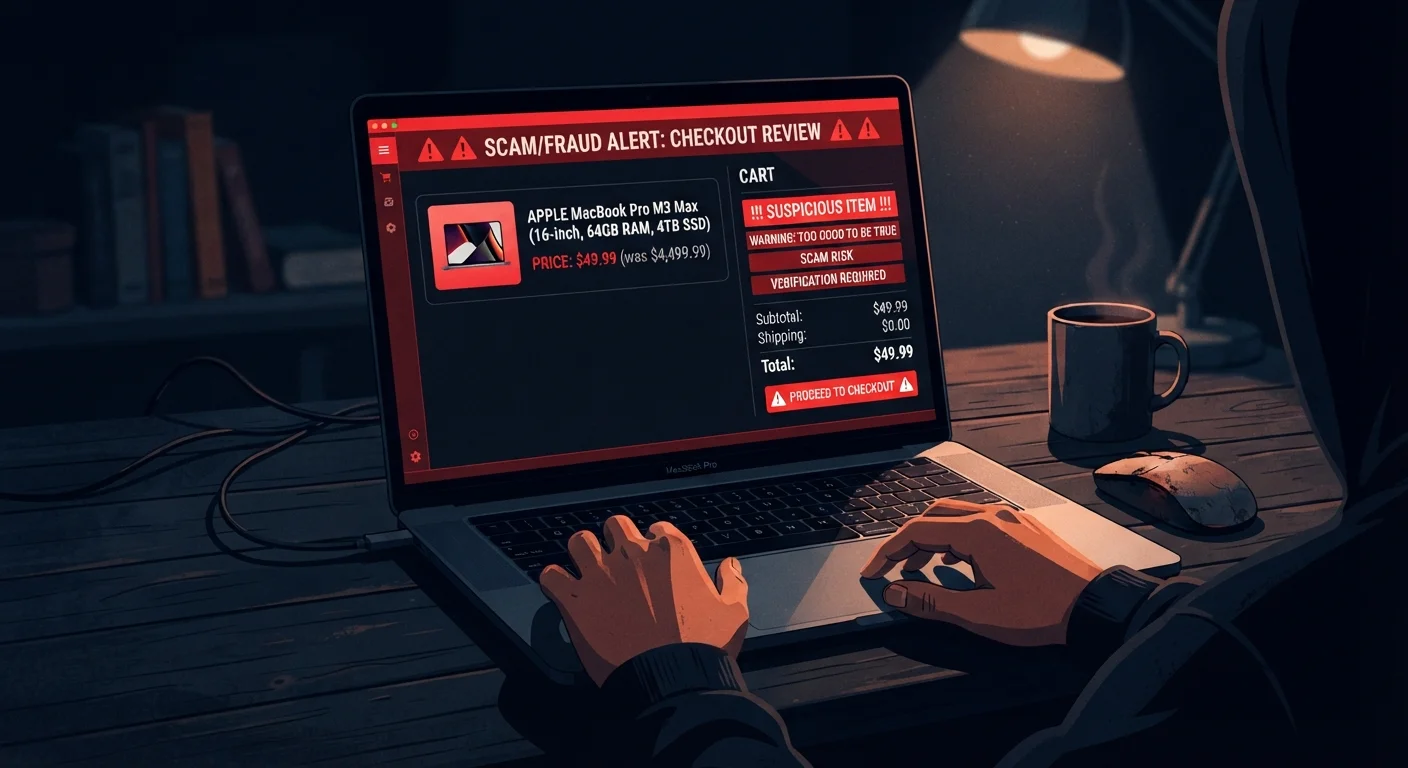
Photo: TheSearchHound.com | One Stop Answer To All Your Questions editorial
Key Takeaways
- Prices dramatically below market value are the most reliable early signal of a fraudulent listing.
- Scam listings often use stock photos, vague descriptions, and copied reviews to appear legitimate.
- Verifying the seller's identity and return policy before purchase can prevent costly mistakes.
- Third-party marketplace fraud is common - a trusted platform does not guarantee a trustworthy seller.
- Reverse image searching a product photo takes seconds and can expose a counterfeit listing immediately.
Why Fraudulent Listings Are Hard to Spot
Scam product listings have become sophisticated. They borrow the visual language of legitimate e-commerce - clean layouts, stock photography, and star ratings - to create an impression of credibility. The pressure to act quickly on a perceived deal compounds the problem, pushing shoppers to skip the verification steps that would reveal a listing's true nature.
Understanding the mechanics of how these listings work is the first step to recognizing them. Whether the goal is to ship a counterfeit item, collect payment and ship nothing, or harvest payment credentials, the setup often follows predictable patterns. Knowing those patterns gives you a practical edge. For broader context on evaluating unfamiliar stores, signals that an unfamiliar website is legitimate is a useful starting point.
Counterfeit Goods Carry Real Risks
Common Mistakes That Leave Shoppers Vulnerable
Most shopping fraud succeeds not because it's technically sophisticated, but because it exploits habitual shortcuts. The mistakes below represent the most frequently repeated errors - each one preventable with a small amount of deliberate attention before purchase.
Assuming a dramatically low price means a great deal rather than a warning sign.
Taking product images at face value without investigating their origin.
Skipping seller verification because the listing appears on a familiar platform.
Overlooking vague, copied, or grammatically poor product descriptions.
Ignoring the returns and refund policy before completing a purchase.
Treating a flood of positive reviews as proof of product quality.
Marketplace Trust Doesn't Extend to Every Seller
If a discounted price seems exceptional, it's worth cross-referencing with our overview of how to tell if a discount is genuine before committing. And if urgency is being used to pressure your decision, the truth about doorbuster deals explains how that tactic is commonly deployed.
What to Do If You Suspect a Listing
If something about a listing doesn't sit right, pause before purchasing. Search the product name plus terms like "scam" or "fake" to find others who may have reported the same seller. Check whether the website or seller profile has verifiable contact information - a physical address, phone number, or responsive email - rather than just a web form.
For purchases you've already made that turned out to be fraudulent, contact your credit card issuer or payment provider promptly to initiate a dispute. Most major card networks offer purchase protection, but time limits apply. Report the listing directly to the platform and, for significant losses, to the FTC at ReportFraud.ftc.gov. Documenting the listing - screenshots of the price, description, and seller profile - strengthens any dispute you file.
$3B+
Annual consumer losses to online shopping fraud
The Federal Trade Commission reported that consumers lost more than $3 billion to online shopping and imposter scams in a recent reporting year.
Over 50%
Of counterfeit seizures involve e-commerce channels
U.S. Customs and Border Protection data consistently shows the majority of seized counterfeit shipments originate from purchases made through online platforms.
This article provides general consumer education and is not legal or financial advice. For disputes involving significant financial loss, consult a consumer protection attorney or contact your state attorney general's office.
The content on this site is provided for informational purposes only and should not be considered a substitute for professional advice. While we strive to provide accurate and up-to-date information, we make no guarantees regarding its completeness or accuracy. Always consult a qualified professional for advice specific to your circumstances before making any decisions.