
The Truth About 'Doorbuster' Deals and Limited-Time Offers

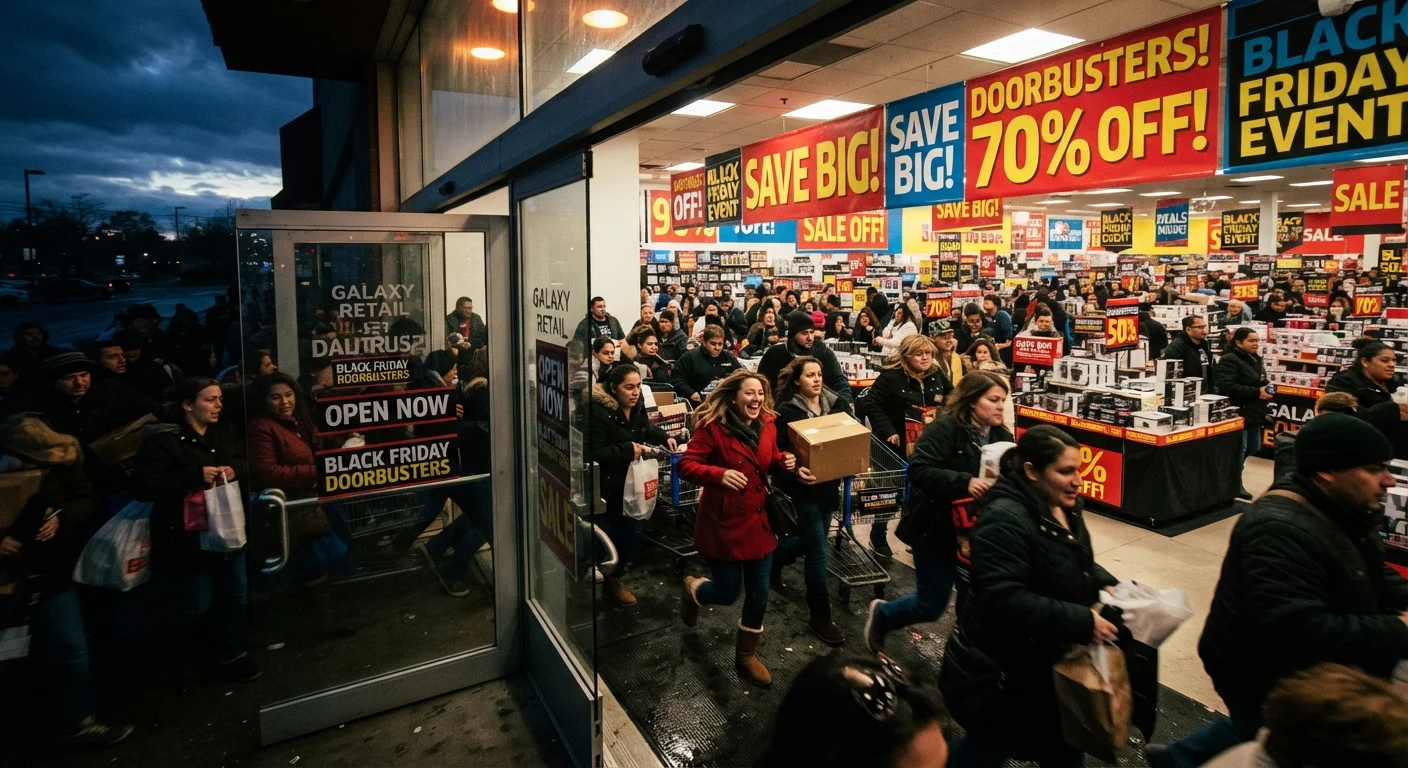
Photo: TheSearchHound.com | One Stop Answer To All Your Questions editorial
Key Takeaways
- Doorbuster prices are frequently set against inflated 'original' prices, not everyday retail prices.
- Quantity limits and selective availability are standard tactics used to manufacture scarcity.
- Price-tracking tools can reveal whether a markdown reflects a genuine drop before you buy.
- Urgency-driven purchasing tends to lead to more impulse buys and less post-purchase satisfaction.
- A lower price tag does not automatically mean a better value for your specific needs.
What Doorbuster Events Are Actually Designed to Do
Doorbuster promotions - whether in physical stores at opening time or online during a scheduled sale window - are primarily traffic-generation tools. Their purpose is to bring shoppers into a retail environment, physical or digital, where the full range of inventory is available. The aggressively priced item gets you through the door; the margin is recovered on everything else in your cart.
Understanding this framing changes how you should approach these events. The deal on one specific item may be legitimate. But the surrounding environment - the layout, the urgency cues, the bundled recommendations - is constructed to increase overall basket size. That's not a cynical observation; it's standard retail strategy, documented in merchandising literature and confirmed by behavioral economics research on in-store purchase patterns.
Myth
Doorbuster deals offer the lowest prices of the year on the items you actually want.
Fact
Doorbuster pricing frequently applies to a small, curated set of products - often older models or lower-tier configurations - rather than the current items most shoppers are looking for.
Retailers use a handful of aggressively priced items to drive foot traffic and web visits, while the bulk of inventory stays at normal or only marginally reduced prices. The headline deal may be real, but the TV or laptop offered at that price is commonly a model with reduced specs compared to the version advertised in store displays. Checking model numbers against manufacturer spec sheets before the sale event is a practical way to avoid this substitution.
Myth
The 'original price' shown next to a sale price reflects what the item normally costs.
Fact
Reference prices used in promotional displays are not always drawn from the retailer's own regular selling price and may not have been the actual prevailing price in that market.
This is one of the most well-documented practices in retail pricing. The FTC has guidelines on deceptive pricing, but the complexity of multivendor retail environments makes consistent enforcement difficult. A price-history browser extension - several free options exist - can show you what a specific item actually sold for over the past six to twelve months, giving you a factual baseline rather than a retailer-supplied one. See also our overview of retail pricing psychology for more on how anchor prices work.
Myth
If a deal is limited-time or limited-quantity, it must be genuinely scarce.
Fact
Scarcity language is a standard conversion tactic; stated quantities and deadlines are often marketing parameters set by the retailer, not reflections of actual inventory constraints.
E-commerce platforms and in-store promotions routinely display low-stock warnings and countdown timers as part of their standard merchandising toolkit. In some documented cases, 'limited' quantities have been replenished once the promotional window passed, or the same price has reappeared days later. Waiting 24-48 hours after a 'limited' offer expires is often a useful test of whether the scarcity was real.
[warning_callout]
Myth
Shopping a sale event always saves you more than shopping outside of it.
Fact
Prices for many product categories are competitive throughout the year, and some categories - including certain electronics and appliances - see their lowest prices outside of major sale windows.
Timing varies meaningfully by product category. Major sale events can deliver genuine savings on specific categories, but the pattern is not universal. Deal verification tools and methods let you confirm whether a price drop is material before committing. Shopping without a verified price baseline is what makes sale events profitable for retailers - not shoppers.
Myth
A lower price always means a better deal.
Fact
Price and value are separate variables; a cheaper item that fails to meet your needs or requires earlier replacement is often more costly in practice.
This distinction matters most in categories like appliances, tools, and electronics, where reliability, compatibility, and warranty terms affect total cost of ownership. A doorbuster-priced item may lack features you rely on, carry a shorter warranty, or require accessories that add cost later. Our article on price versus value explores this gap in more depth.
How to Evaluate a Sale Claim Before You Act
The core skill for any sale event is price verification. Before a promotion starts, note the current price of items you're genuinely considering. Free browser extensions that track price history on major retail platforms can surface months of pricing data in seconds, making it straightforward to judge whether a 'sale' price is a real departure from the norm or just a reframed version of the usual price.
Beyond price history, check the specific model number against the manufacturer's current product lineup. Retailers sometimes introduce sale-specific SKUs - product configurations sold only during promotional periods - that are not directly comparable to the mainstream version. If the model number doesn't appear on the manufacturer's website as a current product, that's worth investigating before purchase.
Anchor Prices Are Often Not What They Seem
For in-store events specifically, the comparison between physical and online pricing adds another layer. In-store and online prices differ in ways that aren't always obvious, and assuming the doorbuster price beats all online alternatives is a common and costly assumption. Always cross-reference before committing, even while in the store.
If a listed price looks dramatically lower than anything you've seen elsewhere, that's also a signal to verify authenticity of the seller. Counterfeit and scam listings frequently surface during high-traffic sale periods precisely because shoppers are primed to act quickly and ask questions later.
~60%
Black Friday items cheaper or same price at other times
An analysis by consumer price-tracking researchers found that a significant majority of Black Friday 'deals' were available at the same or lower prices at other points during the year.
4 in 10
Shoppers report post-event purchase regret
Consumer surveys consistently show a notable share of sale-event shoppers experience buyer's remorse shortly after high-pressure shopping events.
The content on this site is provided for informational purposes only and should not be considered a substitute for professional advice. While we strive to provide accurate and up-to-date information, we make no guarantees regarding its completeness or accuracy. Always consult a qualified professional for advice specific to your circumstances before making any decisions.