
Maintenance Realities of High-Mileage Vehicles

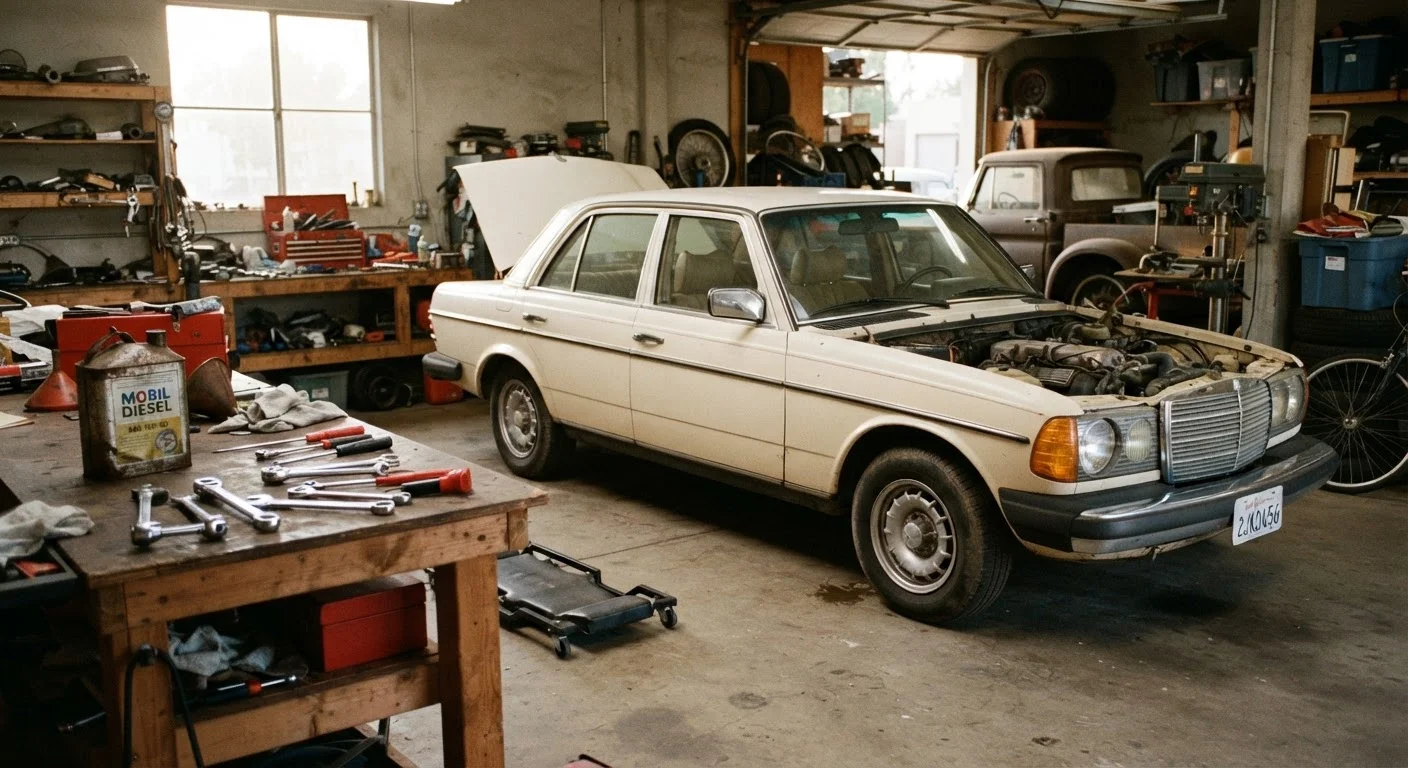
Photo: TheSearchHound.com | One Stop Answer To All Your Questions editorial
Key Takeaways
- High-mileage vehicles require more frequent inspections of seals, hoses, and rubber components.
- Switching to high-mileage engine oil formulations can help reduce consumption and leaks in older engines.
- Keeping detailed service records helps identify patterns and prevents costly oversights.
- Some maintenance intervals that worked early in a car's life should be shortened as mileage climbs.
- Knowing which repairs are safety-critical versus cosmetic helps prioritize spending on older vehicles.
What Changes When a Car Crosses High Mileage
There's no single mileage number that turns a reliable car into a liability - but most mechanics and automotive engineers agree that vehicles crossing the 75,000-100,000-mile threshold enter a new phase of ownership. Rubber degrades, metal surfaces wear, gaskets compress over years of heat cycling, and systems that ran quietly for a decade may begin demanding attention. The good news is that a well-maintained high-mileage vehicle can remain dependable for years beyond that threshold. The key is adjusting your expectations and your approach.
High-mileage maintenance isn't about doing more of everything - it's about doing the right things with greater regularity and attention. As our guide on sticking to your maintenance schedule explains, skipping scheduled upkeep rarely saves money in the long run. That principle becomes even more consequential on an older vehicle, where deferred maintenance compounds faster.
Reassess Your Oil Change Intervals
Engine oil degrades faster in a high-mileage engine due to increased blow-by (combustion gases leaking past worn piston rings) and the natural accumulation of internal deposits. While many modern vehicles can go 7,500-10,000 miles between oil changes when new, older engines often benefit from shorter intervals - sometimes 5,000 miles or less, depending on condition and driving patterns.
Many oil manufacturers produce formulations specifically labeled for high-mileage engines. These typically contain seal conditioners and additional detergents designed to address common wear patterns. Consult your owner's manual and discuss interval recommendations with a trusted mechanic who knows your vehicle's history.
Older engines often benefit from shorter oil change intervals due to accelerated degradation.
Inspect Rubber Components More Frequently
Rubber doesn't age gracefully. Hoses, belts, gaskets, and seals all degrade over time regardless of mileage - heat, cold cycles, and exposure to under-hood chemicals take a steady toll. On a high-mileage vehicle, these components may be 8-15 years old and visually appear fine while internally they've become brittle or porous.
Ask your mechanic to check coolant hoses for softness or cracking, inspect the serpentine belt for fraying or glazing, and look for oil seepage around valve cover gaskets and the oil pan. A failed coolant hose or timing belt can cause far more expensive engine damage than the cost of preventive replacement.
Rubber components degrade with age as much as mileage - inspect them regularly on older cars.
Pay Closer Attention to Fluid Condition
Fluids do more than lubricate - they protect, cool, and transfer force. On a high-mileage vehicle, fluid quality tends to decline faster because aging systems introduce more contaminants. Engine coolant loses its corrosion inhibitors over time. Brake fluid absorbs moisture and becomes compressible. Transmission fluid darkens and loses viscosity stability.
Rather than relying solely on mileage-based replacement schedules designed for new vehicles, consider having fluid condition assessed at each service - many shops offer simple test strips for brake fluid moisture content. Fresh fluids are one of the lowest-cost, highest-impact investments you can make in an aging vehicle.
Fluid condition deteriorates faster in aging systems - assess quality, not just mileage intervals.
Monitor for Oil Consumption Between Changes
Some degree of oil consumption is normal in high-mileage engines, but the rate matters. Checking your dipstick every 1,000-2,000 miles rather than waiting until your next oil change allows you to spot a developing problem early - whether that's worn piston rings, a leaking valve seal, or a more significant internal issue. Running an engine low on oil, even briefly, causes disproportionate wear.
If your vehicle is consuming more than a quart per 2,000 miles, it's worth a conversation with a mechanic. It may indicate a manageable condition that just requires topping off regularly, or it could signal something worth addressing before it escalates. Understanding what's normal for your specific vehicle is part of informed ownership.
Check your dipstick regularly - catching increased oil consumption early prevents serious engine damage.
Prioritize Safety Systems Over Cosmetic Fixes
Budget decisions become more frequent on older vehicles. When facing a list of needed repairs, triage by safety impact. Brakes, tires, steering components, lights, and anything affecting vehicle control should be prioritized above cosmetic issues, minor interior wear, or non-critical convenience features.
A worn brake caliper or cracked CV axle boot is not optional maintenance - these directly affect your ability to stop or steer the vehicle safely. By contrast, a faded paint scratch or a minor HVAC noise can often wait. Learning to distinguish safety-critical repairs from everything else helps you make confident, informed decisions about where to spend your maintenance budget on a high-mileage car. See our guide on maintenance myths to avoid common misunderstandings that lead to misplaced spending.
Always prioritize safety-critical repairs - brakes, tires, and steering - over cosmetic or comfort issues.
Keep a Detailed Service Log
High-mileage ownership rewards organization. A simple maintenance log - even a notebook in the glove compartment - helps you track what's been replaced, when fluids were last changed, and what a mechanic flagged for future attention. Patterns often reveal themselves over time: recurring issues in the same system, components that wear faster than expected, or services that have quietly been skipped.
A complete service history also adds real-world value if you ever decide to sell the vehicle. Buyers and dealers can verify that the car was well cared for rather than simply taking your word for it. For a practical framework on what to track and why it matters, explore our article on keeping a maintenance log.
A consistent service log helps you spot patterns and makes every maintenance decision more informed.
Staying Ahead on an Older Vehicle
Maintaining a high-mileage car effectively means shifting from reactive to proactive thinking. Instead of waiting for something to fail, use routine service visits as inspection opportunities. Many of the items covered in our rundown of overlooked maintenance tasks - coolant condition, brake fluid age, serpentine belt wear - become higher-priority on older vehicles where these components are already years into their service life.
Use Every Service Visit as an Inspection
Tracking your service history is equally important. A maintenance log helps you spot patterns, remember when items were last serviced, and make smarter decisions about whether a repair is worth doing. High-mileage ownership rewards organization and attentiveness - drivers who stay informed tend to get significantly more life from their vehicles.
The content on this site is provided for informational purposes only and should not be considered a substitute for professional advice. While we strive to provide accurate and up-to-date information, we make no guarantees regarding its completeness or accuracy. Always consult a qualified professional for advice specific to your circumstances before making any decisions.