
The Case for Sticking to Your Car's Maintenance Schedule

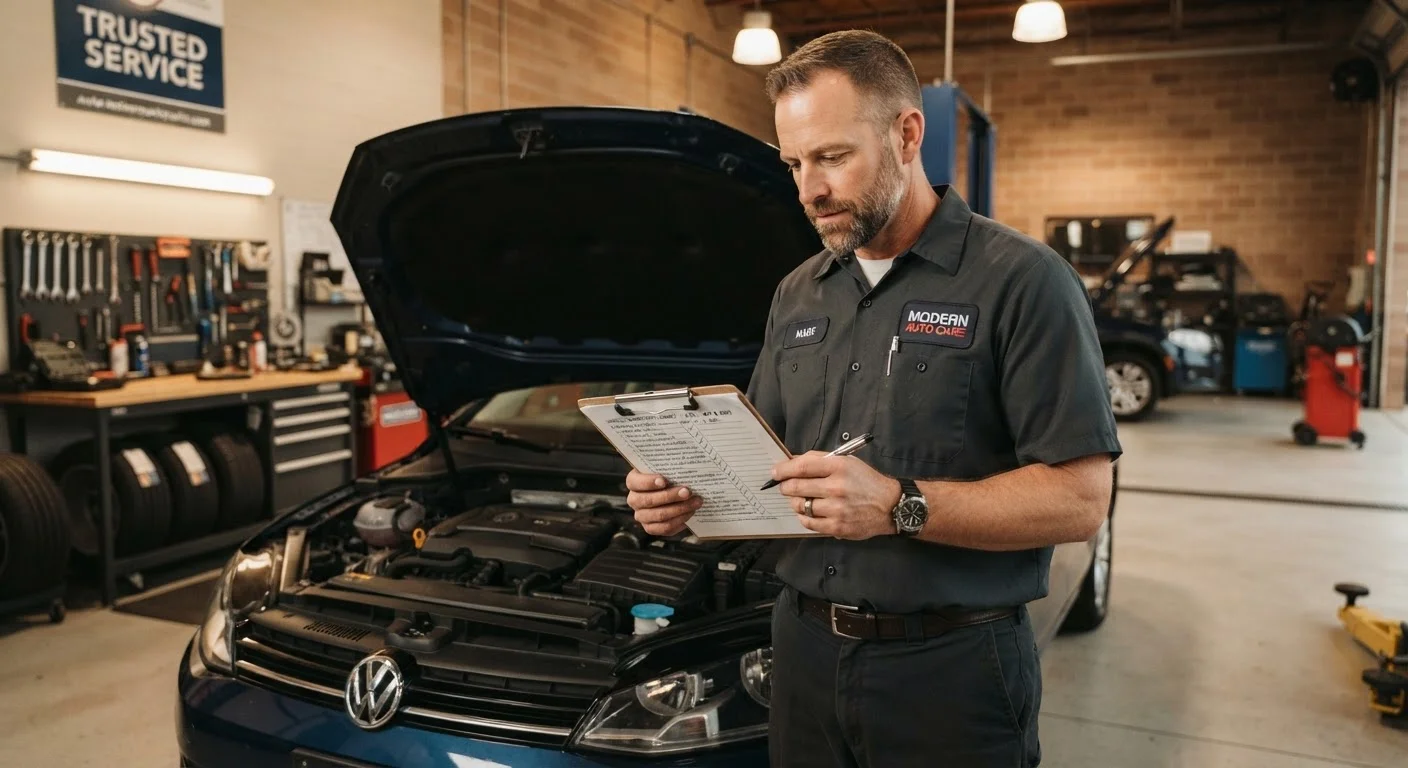
Photo: TheSearchHound.com | One Stop Answer To All Your Questions editorial
Key Takeaways
- Manufacturer maintenance schedules are engineered specifically for your vehicle's components and tolerances.
- Deferred maintenance rarely saves money - small issues compound into significantly larger repair bills.
- Skipping service intervals can void warranty coverage and reduce resale value.
- Your owner's manual is the most reliable source for interval guidance, not generalized rules of thumb.
- Keeping a maintenance log helps you stay on schedule and spot developing problems early.
Why the Schedule Exists in the First Place
Every maintenance interval in your owner's manual was determined through engineering analysis and real-world durability testing. Automakers know how long specific fluids remain effective under operating conditions, how quickly belts fatigue, and at what point filters become restrictive enough to impair performance. The schedule isn't arbitrary - it reflects the point at which each component needs attention to keep the broader system functioning properly.
Skipping or repeatedly delaying service doesn't pause this wear process. Components continue degrading on their own timeline regardless of whether a service appointment happened. That gap between when maintenance was due and when it actually occurs is where damage quietly accumulates. For a deeper look at how individual systems work together, the Understanding Your Car hub provides plain-language explanations of key vehicle systems.
The Compounding Cost of Deferred Maintenance
The financial logic of skipping maintenance feels straightforward in the moment - you avoid spending money today. But deferred maintenance rarely stays contained. A clogged cabin air filter strains the HVAC blower motor. Worn brake pads, left long enough, score the rotors. Low coolant leads to overheating, which can warp cylinder heads. Each neglected item creates conditions that accelerate wear on adjacent components.
~$1,200
Average annual car repair cost for neglected vehicles
Industry service data consistently shows deferred maintenance leads to repair costs that dwarf the price of routine service intervals.
77%
Of vehicles on US roads need service or maintenance
According to the Car Care Council, the majority of vehicles inspected at roadside events show at least one maintenance item that is overdue.
5,000-10,000 mi
Typical modern oil change interval
Most current vehicles using full-synthetic oil are engineered for intervals well beyond the once-common 3,000-mile guideline - per manufacturer specifications.
This compounding dynamic is well-documented across vehicle systems. The same pattern appears in home maintenance: small, cheap preventive tasks deferred long enough become expensive structural repairs. Vehicles follow the same logic. A timing belt replacement, for example, is a known, schedulable expense. A snapped timing belt that damages the engine is not - and the repair cost can be several times higher.
Certain driving habits can also accelerate the pace at which maintenance becomes urgent. Everyday habits that quietly wear down your vehicle - like frequent short trips or riding the brakes - can mean your car reaches service thresholds faster than the calendar-based interval suggests.
What Your Owner's Manual Actually Tells You
Most drivers have heard the 3,000-mile oil change rule. For the majority of modern vehicles, that interval is outdated. Synthetic oils and improved engine tolerances have extended recommended intervals significantly, often to 5,000-10,000 miles or more depending on the vehicle and oil type. Relying on generalized rules instead of manufacturer guidance can lead to both over-servicing and under-servicing.
Use Your Owner's Manual, Not Rule of Thumb
Your owner's manual distinguishes between normal and severe-duty driving conditions - and the definition of "severe" may surprise you. Frequent short trips under 5 miles, stop-and-go city driving, and sustained highway driving in high temperatures all qualify. If your driving profile fits that description, the more frequent interval applies. For a closer look at which fluid-related rules of thumb hold up and which don't, separating car fluid myths from facts is a useful next step.
Beyond oil, schedules cover spark plugs, transmission fluid, coolant flushes, drive belts, brake fluid, and more. Many of these items get overlooked because they don't trigger dashboard warnings until failure is imminent. Maintenance items drivers frequently overlook covers exactly these kinds of easy-to-miss service points.
Staying on Schedule Over the Long Term
Consistency matters more than perfection. Missing a single service by a few hundred miles on a modern vehicle isn't catastrophic - but a pattern of delays adds up across years of ownership. One practical way to stay consistent is to keep a maintenance log. Tracking what was done, when, and at what mileage gives you a clear picture of where you stand and flags anything overdue. It also creates the documented service history that holds real value if you ever sell the vehicle. Keeping a maintenance log makes you a more informed car owner - and a more credible seller.
For older or high-mileage vehicles, the standard schedule may need adjustment. Seals, gaskets, and fluids in aging engines often require more frequent attention than the original intervals assume. Maintenance realities of high-mileage vehicles outlines how upkeep needs shift as a car ages. Staying informed about those changes - rather than applying a one-size-fits-all approach - is what separates reactive repair from proactive ownership.
Frequently Asked Questions
The content on this site is provided for informational purposes only and should not be considered a substitute for professional advice. While we strive to provide accurate and up-to-date information, we make no guarantees regarding its completeness or accuracy. Always consult a qualified professional for advice specific to your circumstances before making any decisions.