
Safe Driving Tips

Your Pre-Trip Checklist Before Getting on the Highway

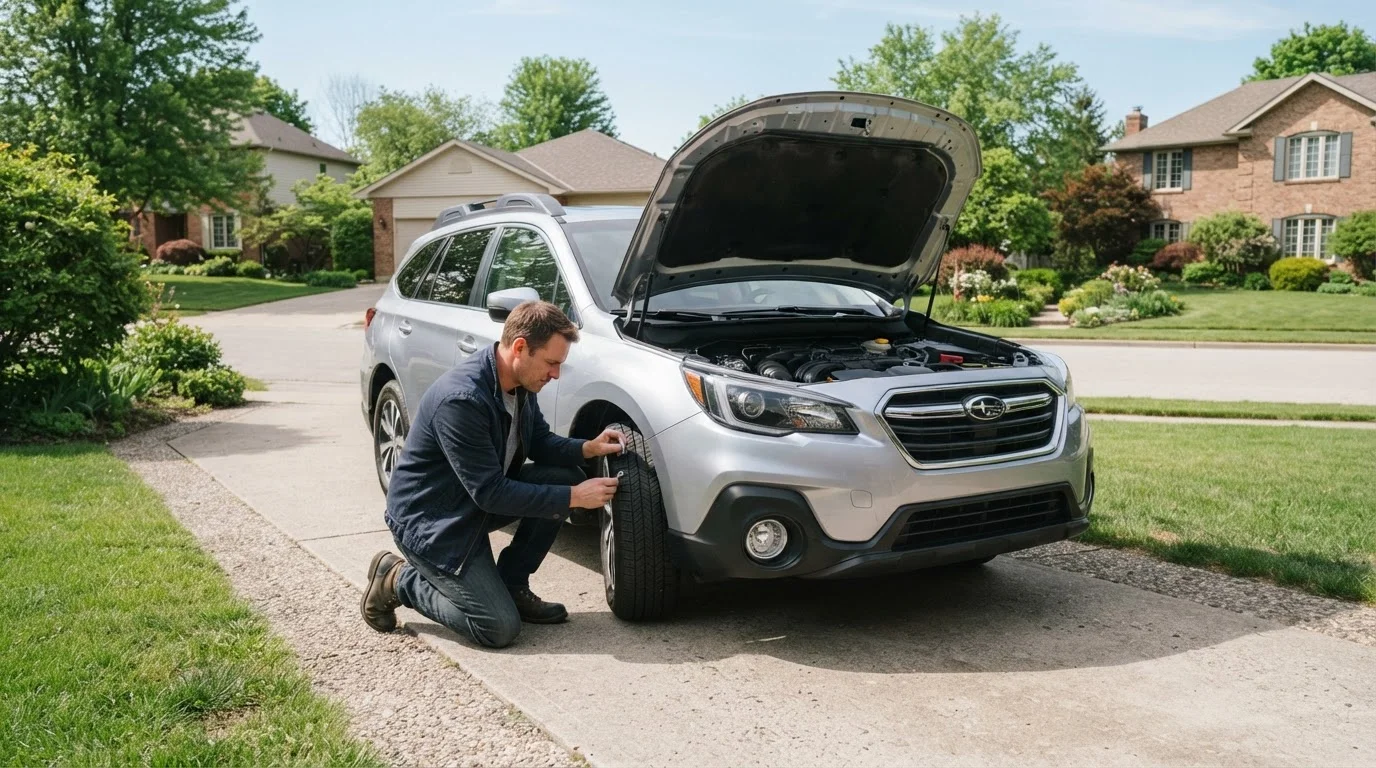
Your Pre-Trip Checklist Before Getting on the Highway

Photo: TheSearchHound.com | One Stop Answer To All Your Questions editorial

From tire pressure to mirror adjustments, run through this quick checklist before any long drive to reduce the chance of preventable road incidents.

Key Takeaways

  • Tire pressure, tread depth, and fluid levels are the highest-priority checks before any highway drive.
  • Mirror and seat adjustments take seconds but meaningfully reduce blind spots and driver fatigue.
  • A charged phone, emergency kit, and updated navigation are essential in-cabin preparations.
  • Dashboard warning lights should be investigated before highway travel, not ignored and monitored.
  • Rest and alertness matter as much as vehicle condition — never start a long drive when fatigued.

Why a Pre-Trip Checklist Matters

Most highway incidents that aren't caused by other drivers are preventable. Tire failures, overheating engines, and visibility problems rarely appear without warning — they develop gradually and announce themselves to drivers who know what to look for. The problem is that most of us don't look systematically before a drive.

This checklist is designed to take 15 to 30 minutes and covers the five areas most likely to cause a problem on the highway: the vehicle exterior, what's under the hood, your in-cabin setup, your navigation and emergency supplies, and your own readiness as a driver. Routine vehicle upkeep is the foundation, but this pre-trip audit is what bridges the gap between service visits and that day's specific journey.

For a deeper look at the maintenance tasks that quietly affect your car's reliability, see our guide on vehicle maintenance items drivers frequently overlook.

Tire Condition Is Your Top Safety Variable

Underinflated or worn tires are a leading contributor to blowouts and loss of vehicle control, particularly at highway speeds. Always check pressure cold — driving even a mile heats the air in the tire and skews the reading. If a tire's tread is worn below 2/32 of an inch, it should be replaced before any extended highway drive.

What to Check and Why

The checklist below is organized by category, starting with your vehicle's exterior and working inward. Each item is tagged by priority so you can distinguish non-negotiable checks from strongly recommended ones and optional enhancements.

Required

Tire Pressure Gauge

Measures PSI in each tire accurately — digital gauges tend to be easier to read than dial or stick types.

Required

Dipstick and Clean Rag

Used to check engine oil level; wipe the dipstick clean before your final reading for accuracy.

Required

Navigation App (phone or built-in)

Allows pre-loading of your route so you aren't adjusting directions while driving at highway speeds.

Required

Roadside Emergency Kit

Provides basic tools — reflective triangles, jumper cables, first-aid supplies — if something goes wrong en route.

Optional

Car Phone Charger

Keeps your phone powered throughout the trip for navigation and emergency communication.

Vehicle Exterior

Check all four tire pressures against the recommended PSI listed on the driver's door jamb sticker (not the tire sidewall). Must
Inspect each tire's tread depth visually — a quarter inserted upside-down into the tread groove should cover Lincoln's head at minimum. Must
Walk around the vehicle and look for any visible damage, flat spots, or objects embedded in the tires. Must
Confirm all exterior lights are functioning: headlights, taillights, brake lights, and turn signals. Must
Verify that wiper blades are in good condition and clear the windshield without streaking. Should

Under the Hood

Check the engine oil level using the dipstick with the engine cold; top off if below the minimum line. Must
Inspect the coolant reservoir level and confirm it falls between the MIN and MAX markers. Must
Check windshield washer fluid and refill if low — visibility is critical at highway speeds. Should
Glance at the brake fluid reservoir through the translucent reservoir wall; if it looks dark or low, have it checked by a mechanic. Should

In-Cabin Setup

Adjust the driver's seat so you can comfortably reach the pedals without fully extending your legs, with a slight bend at the knee. Must
Set all mirrors — driver's side, passenger's side, and rearview — to minimize blind spots before moving the vehicle. Must
Confirm your seatbelt clicks securely and the shoulder strap sits across your chest, not your neck. Must
Check that the steering wheel is adjusted to a position that allows full, unobstructed airbag deployment and comfortable grip. Should
Ensure no loose cargo, bags, or items are unsecured on the rear window deck or floor near the pedals. Must

Navigation and Emergency Prep

Load your route in a navigation app and confirm the destination before pulling out — programming while driving is dangerous. Must
Charge your phone to at least 80% or bring a car charger for extended trips. Should
Verify that an emergency kit is in the trunk, including a reflective triangle or flares, jumper cables or a jump pack, and a basic first-aid kit. Should
Check that your vehicle registration, proof of insurance, and driver's license are accessible in the vehicle. Must
Note the fuel level and identify gas stations along your route if your tank is below a quarter full. Should

Driver Readiness

Honestly assess your fatigue level — if you've had fewer than six hours of sleep, consider delaying or sharing driving duties. Must
Check whether any medications you've taken carry drowsiness warnings before operating a vehicle. Must
Plan rest stops every two hours or 100 miles on long drives, especially on monotonous interstate stretches. Nice to have

Weather conditions add additional layers to this preparation. If your trip involves rain, fog, or winter road conditions, your following distance, speed management, and lighting needs shift significantly. Our guide on driving in rain, snow, ice, and fog covers those adjustments in detail.

Don't Ignore Dashboard Warning Lights

If any warning light is active when you start the engine and doesn't turn off within a few seconds, investigate it before heading onto the highway. Some lights indicate conditions — like low oil pressure or overheating — that can cause serious engine damage at sustained highway speeds. Learn what common dashboard warning lights mean before you dismiss them as minor.

Fatigued Driving Is Not a Minor Risk

Research consistently shows that drowsy driving impairs reaction time and judgment in ways that parallel alcohol impairment. If you're feeling unusually tired before a trip, delay departure, take a short nap, or swap drivers if possible. Understand the early signs of driver fatigue so you can recognize them before they become dangerous.

Building the Habit Over Time

Running through this checklist once is useful. Making it a habit before every highway trip is what actually reduces your long-term risk. New drivers in particular benefit from treating this as a structured ritual — building safe driving habits early is far easier than correcting poor ones later.

Over time, most of these checks take under a minute each because you'll know what normal looks and feels like for your specific vehicle. The goal isn't paranoia — it's familiarity. A tire that feels slightly softer than usual, a fluid that's darker than it was last month, or a wiper that's starting to skip are all signals that veteran drivers recognize quickly because they check consistently.

This checklist provides general educational guidance for highway driving preparation and is not a substitute for professional mechanical inspection. If you have concerns about your vehicle's roadworthiness, consult a qualified mechanic before traveling.

Autos Editorial Team

TheSearchHound.com | One Stop Answer To All Your Questions

Autos Editorial Team is the collective byline for our editorial team and contributor network. Articles published under this byline or an editorial pen name are researched, written, and reviewed according to our editorial standards for clarity, consistency, and independence before publication.

Car MaintenanceSafe Driving TipsUnderstanding Your Car
View author profile

The content on this site is provided for informational purposes only and should not be considered a substitute for professional advice. While we strive to provide accurate and up-to-date information, we make no guarantees regarding its completeness or accuracy. Always consult a qualified professional for advice specific to your circumstances before making any decisions.