
Macronutrients Explained: What Carbs, Proteins, and Fats Actually Do

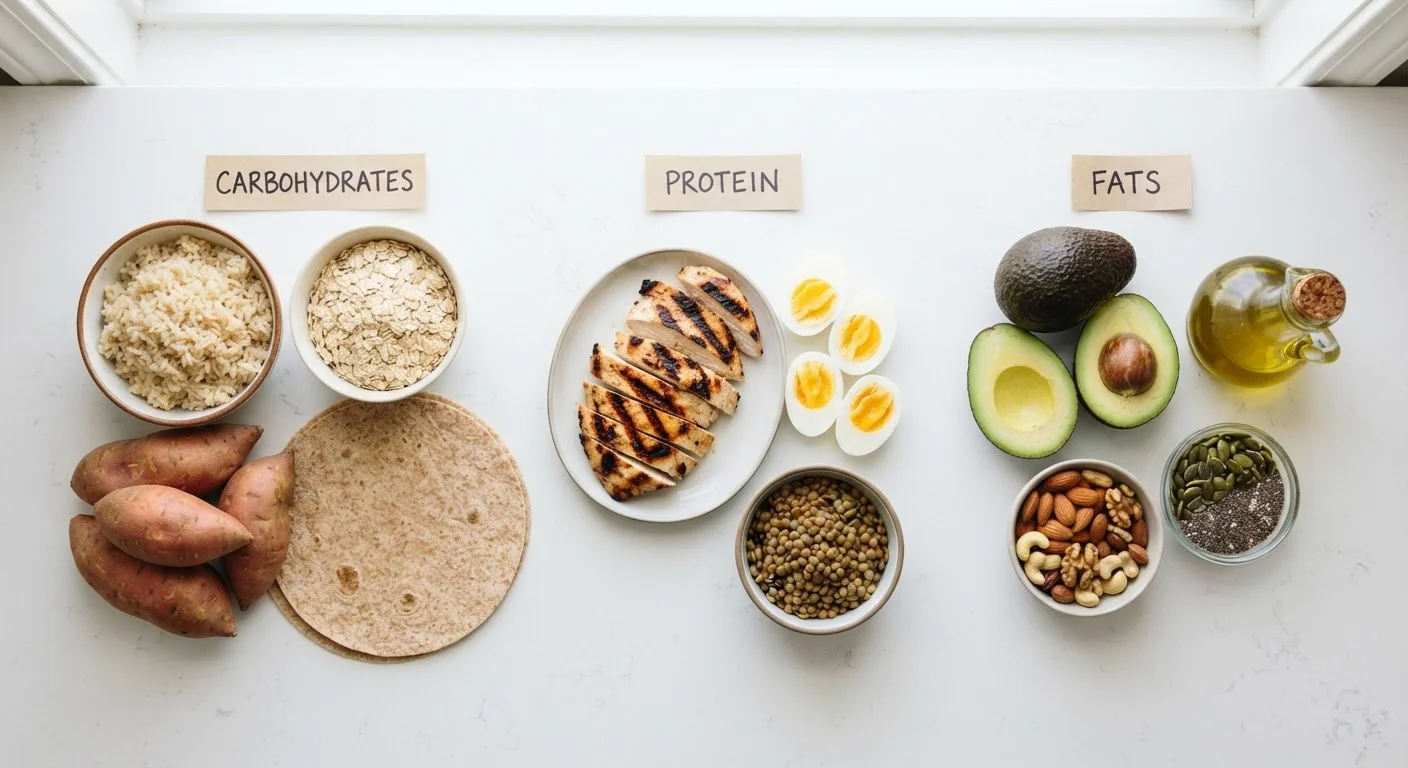
Photo: TheSearchHound.com | One Stop Answer To All Your Questions editorial
Key Takeaways
- All three macronutrients - carbs, protein, and fat - are essential; none should be eliminated.
- Carbohydrates are the body's preferred and most efficient energy source.
- Protein supports muscle repair, immune function, and the production of hormones and enzymes.
- Dietary fat is critical for brain health, hormone regulation, and absorbing fat-soluble vitamins.
- Food quality within each macronutrient category matters as much as the quantity consumed.
- No single macronutrient ratio works for every person - individual needs vary by age, activity level, and health status.
Carbohydrates: Your Body's First Choice for Fuel
Carbohydrates are the body's preferred energy source, and for good reason - they convert to glucose more efficiently than either protein or fat. Glucose powers your brain, fuels your muscles during exercise, and keeps your organs running moment to moment.
Not all carbohydrates behave the same way in the body. Simple carbohydrates - found in table sugar and many processed foods - are digested quickly, producing rapid rises in blood glucose. Complex carbohydrates - found in whole grains, legumes, and vegetables - digest more slowly, providing sustained energy and, often, meaningful amounts of fiber.
Dietary fiber, a form of carbohydrate the body can't fully digest, supports digestive health, helps regulate blood sugar, and contributes to feelings of fullness. It's one reason why carbohydrate-rich whole foods like oats, beans, and sweet potatoes are associated with positive health outcomes in nutritional research.
The idea that carbohydrates as a category are harmful is one of the more persistent nutrition misconceptions. Our article on nutrition myths science has moved past addresses this directly.
45-65%
Recommended daily calories from carbohydrates
According to the Dietary Guidelines for Americans, this range reflects the role carbohydrates play as a primary energy source for most adults.
10-35%
Recommended daily calories from protein
The Acceptable Macronutrient Distribution Range (AMDR) set by the National Academies of Medicine covers a wide band to accommodate varying activity levels and health needs.
20-35%
Recommended daily calories from fat
The same AMDR framework places fat in this range for adults, reflecting its essential roles in hormone production, brain function, and vitamin absorption.
Protein: The Body's Builder and Maintainer
Protein serves as the structural and functional backbone of nearly every process in your body. It builds and repairs muscle tissue, produces enzymes that drive chemical reactions, synthesizes hormones, and supports a functioning immune system.
Proteins are made up of smaller units called amino acids. Of the 20 amino acids your body uses, nine are considered essential - meaning your body cannot manufacture them, so they must come from food. Animal proteins (meat, poultry, fish, eggs, dairy) typically contain all nine essential amino acids and are called complete proteins. Many plant proteins are incomplete, though combining a variety of plant foods throughout the day can easily meet all amino acid needs.
Protein is also the most satiating macronutrient, meaning it tends to keep you feeling full longer relative to the same number of calories from carbohydrates or fat. This is one reason higher-protein eating patterns are often studied in the context of appetite regulation and body composition - though outcomes vary by individual.
Dietary Fat: More Essential Than Its Reputation Suggests
Fat spent decades as the dietary villain of choice, largely due to early research that has since been refined. Today, the nutritional science consensus is clear: dietary fat is essential, and the type of fat consumed matters far more than fat intake alone.
Unsaturated fats - found in olive oil, avocados, nuts, seeds, and fatty fish - are broadly associated with cardiovascular and brain health in research literature. Saturated fats, found primarily in animal products and some tropical oils, are a more nuanced topic; current guidance generally recommends moderate intake rather than elimination. Trans fats, created through industrial hydrogenation, are widely recognized as harmful and have been largely phased out of the U.S. food supply.
Fat plays several roles no other macronutrient can replace: it enables the absorption of vitamins A, D, E, and K; it provides structural material for cell membranes; it supports hormone production; and it protects vital organs. For a deeper look at one particularly well-studied category, see our piece on omega-3 and omega-6 fatty acids.
Why Balance Matters More Than Elimination
Fad diets often hinge on the idea that one macronutrient is uniquely to blame for poor health outcomes - and that cutting it entirely will produce dramatic results. The evidence for this approach is generally weak when studied over longer timeframes and in diverse populations.
What nutritional research consistently supports is dietary pattern over macronutrient ratio: eating a variety of whole, minimally processed foods tends to produce better long-term health outcomes than any specific macro split. This is partly because food carries far more than macronutrients - it delivers fiber, phytonutrients, vitamins, and minerals that interact in complex ways.
Building a balanced plate is a practical next step once you understand what each macronutrient does. And if you want to sharpen your ability to spot these nutrients in everyday food choices, our guide to reading a nutrition label is a useful companion. Macronutrient needs also differ from person to person - a point worth discussing with a registered dietitian or qualified healthcare provider if you have specific goals or conditions.
This article is for general informational purposes only and is not a substitute for personalized medical or dietary advice. Consult a qualified healthcare professional or registered dietitian for guidance tailored to your individual health needs.
Frequently Asked Questions
The content on this site is provided for informational purposes only and should not be considered a substitute for professional advice. While we strive to provide accurate and up-to-date information, we make no guarantees regarding its completeness or accuracy. Always consult a qualified professional for advice specific to your circumstances before making any decisions.