
Reading a Nutrition Label Without Getting Lost in the Fine Print

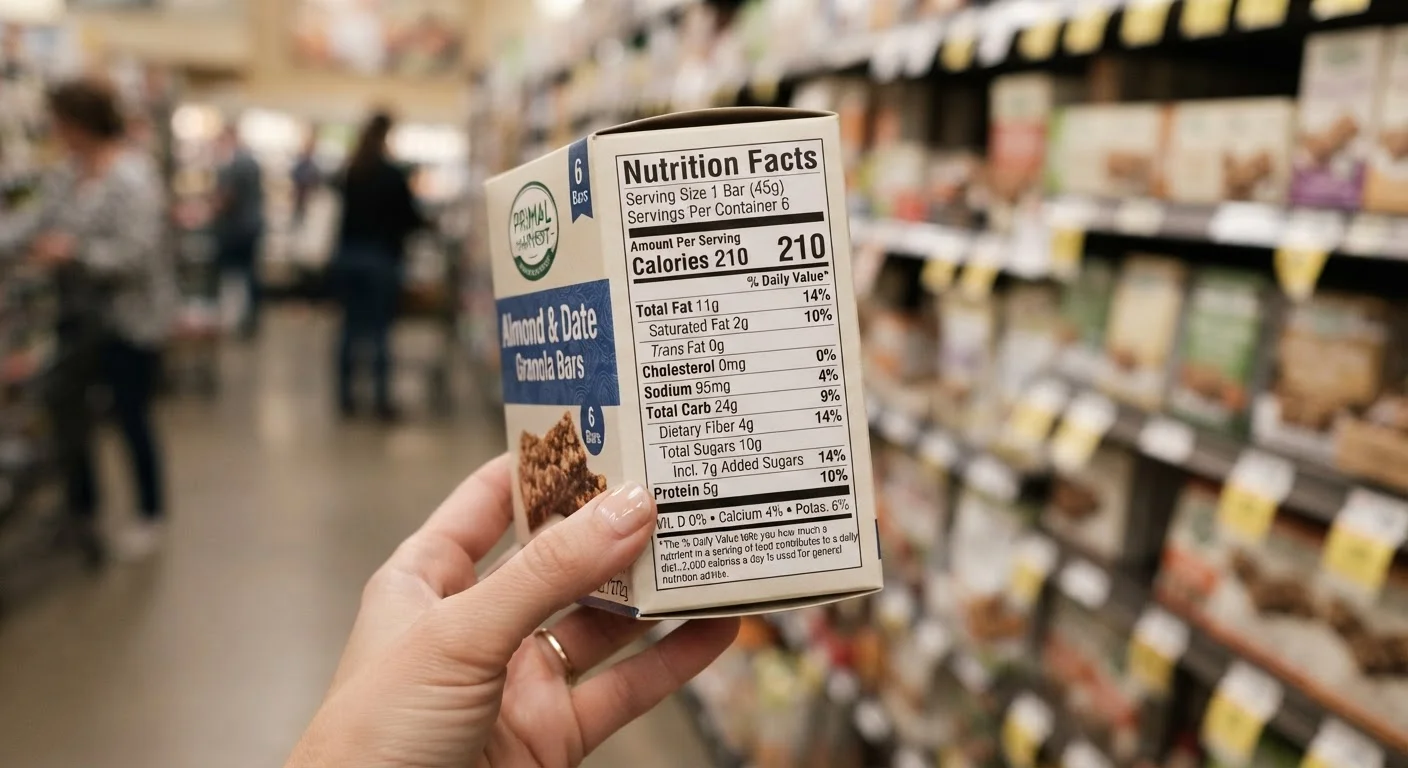
Photo: TheSearchHound.com | One Stop Answer To All Your Questions editorial
Key Takeaways
- Serving size is the foundation of every number on a nutrition label - always check it first.
- The % Daily Value column tells you whether a nutrient is high or low in a single serving.
- Ingredients are listed by weight, so what appears first is present in the greatest amount.
- Added sugars and saturated fat are worth limiting; fiber and protein are generally worth seeking.
- Front-of-package claims like 'natural' or 'light' are not regulated the same way as the Nutrition Facts panel.
Why the Nutrition Facts Panel Exists
The Nutrition Facts label is a standardized tool required by the U.S. Food and Drug Administration (FDA) on most packaged foods. Its purpose is straightforward: give consumers consistent, comparable data so they can evaluate what they're eating. The FDA updated the label format - most visibly in 2020 - to reflect current nutrition science, including a clearer line for added sugars and a more prominent calorie count.
The label doesn't tell you what to eat. It gives you data. How that data fits your individual needs depends on your health goals, activity level, and any conditions you're managing - factors best discussed with a registered dietitian or your healthcare provider. What the label does offer is a reliable starting point for comparison shopping and general awareness.
Use %DV for Quick Comparisons
The Building Blocks: What Each Section Means
Serving Size and Servings Per Container - This is the single most important line on the label, and the most commonly misread. Every calorie count, gram, and percentage on the panel is calculated for one serving, not the whole package. A bag of chips listing 150 calories contains 150 calories per serving - if the bag holds three servings, eating the whole bag means consuming 450 calories. Always multiply.
Calories - Displayed prominently, this number reflects the energy provided by one serving. It accounts for all three macronutrients: carbohydrates, protein, and fat. For a broader understanding of what each macronutrient contributes, see our guide to macronutrients.
Nutrients to Watch - The label separates nutrients into two groups:
- Limit these: Saturated fat, trans fat, sodium, and added sugars. Consistent overconsumption of these is associated with increased risk of cardiovascular disease, high blood pressure, and metabolic issues, according to established dietary guidelines.
- Seek these: Dietary fiber, vitamin D, calcium, iron, and potassium - nutrients many Americans fall short on.
% Daily Value (%DV) - This column answers the question: does this food contribute a little or a lot of a given nutrient to a typical daily diet? The FDA uses a general benchmark: 5% DV or less is considered low; 20% DV or more is considered high. These percentages are based on a 2,000-calorie reference diet, which may not match your personal needs.
For micronutrients listed at the bottom of the label - vitamin D, calcium, iron, potassium - the micronutrient quick reference explains what each one does and why it matters.
The 2,000-Calorie Reference Is a Baseline, Not a Target
Reading the Ingredients List and Front-of-Package Claims
The ingredients list appears below the Nutrition Facts panel and follows a simple rule: ingredients are listed in descending order by weight. If refined flour or added sugar appears in the first two or three positions, that ingredient makes up a substantial portion of the product. For context on why grain type matters, our article on whole grains vs. refined grains breaks down the nutritional differences.
Front-of-package language is where marketing and nutrition science can diverge. Terms like natural, light, and made with whole grains have limited or inconsistent regulatory definitions and do not carry the same evidentiary weight as the Nutrition Facts panel itself. Light does have a specific FDA meaning - generally one-third fewer calories or half the fat of a reference product - but natural does not have an established FDA definition for food labeling. Treat front-of-package text as a prompt to flip the package over and verify.
Once you've built confidence reading labels, the grocery trip nutrition checklist offers a practical aisle-by-aisle approach to putting this knowledge to use on your next shopping run.
This article is for general informational and educational purposes only. It is not a substitute for personalized advice from a registered dietitian, physician, or other qualified healthcare professional. Always consult a qualified professional before making significant changes to your diet, especially if you have a medical condition.
The content on this site is provided for informational purposes only and should not be considered a substitute for professional advice. While we strive to provide accurate and up-to-date information, we make no guarantees regarding its completeness or accuracy. Always consult a qualified professional for advice specific to your circumstances before making any decisions.