
Plant-Based Eating: A Practical Starting Point for Curious Beginners

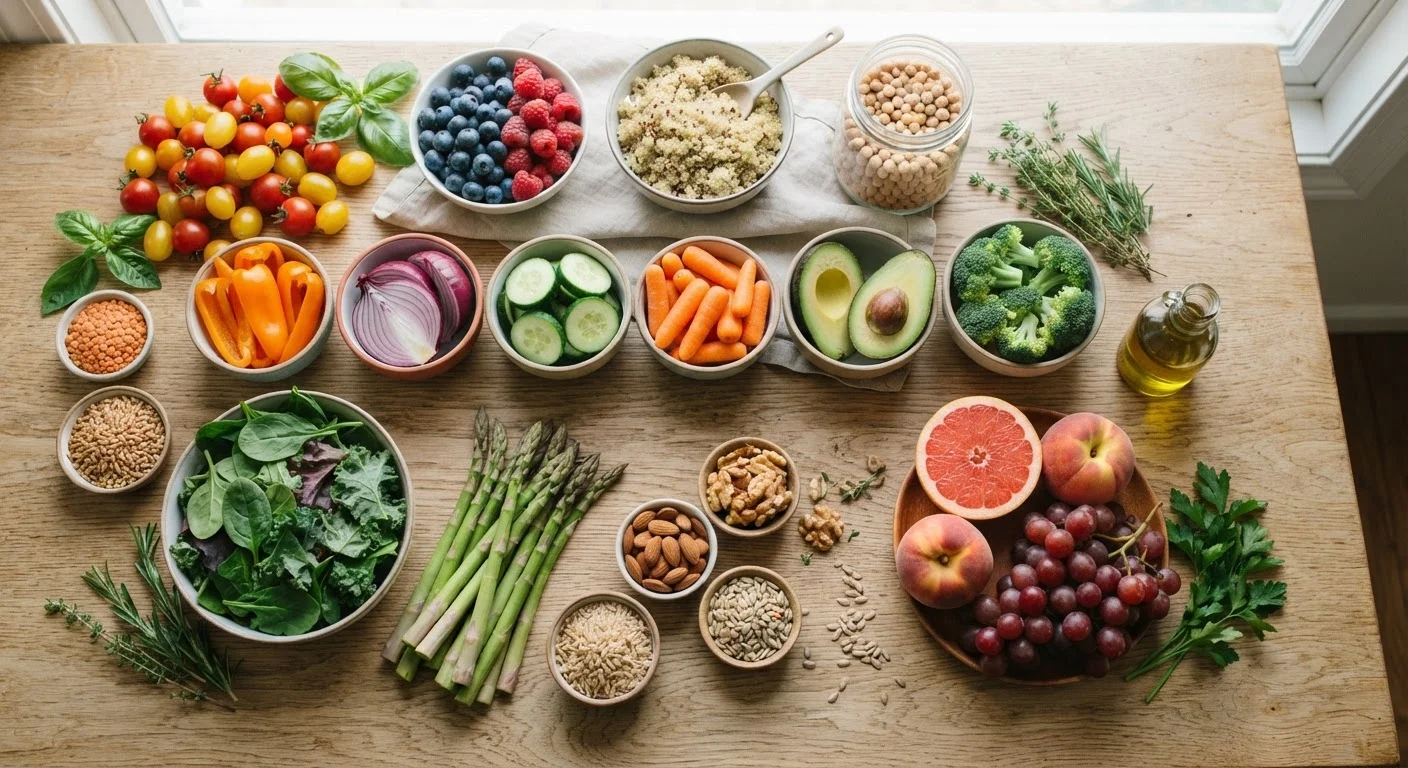
Photo: TheSearchHound.com | One Stop Answer To All Your Questions editorial
Key Takeaways
- Plant-based eating is a flexible approach focused on whole plant foods, not a single rigid diet.
- A few key nutrients - especially B12, iron, and calcium - deserve deliberate attention on plant-forward diets.
- Small, sustainable shifts toward more plants are more effective long-term than all-or-nothing overhauls.
- Highly processed plant foods are not automatically healthier than minimally processed animal foods.
- A registered dietitian can help you tailor any major dietary shift to your individual health needs.
What Plant-Based Eating Actually Means
The phrase "plant-based" gets used loosely in nutrition conversations, so it helps to start with a clear definition. At its core, plant-based eating means building the majority of your diet around foods that come from plants: vegetables, fruits, whole grains, legumes, nuts, and seeds. It is not synonymous with veganism, though it can overlap with it.
Some people who eat plant-based consume no animal products at all. Others include small or occasional amounts of fish, poultry, dairy, or eggs while still prioritizing plants at most meals. Research tends to group these patterns together under umbrella terms like plant-forward or predominantly plant-based, and studies examining Mediterranean and DASH-style diets suggest that high plant-food intake - regardless of whether some animal products are present - is associated with a range of health markers worth considering.
What plant-based eating is not is a rigid rulebook. The flexibility is a feature, not a loophole.
Whole plant foods
Foods that come from plants and are minimally processed - think vegetables, fruits, beans, lentils, whole grains, nuts, and seeds in close to their natural form.
Legumes
A family of plants that produce pods containing seeds - including beans, lentils, chickpeas, and peas. They are rich in protein, fiber, and micronutrients.
Phytonutrients
Naturally occurring compounds in plants - such as antioxidants and polyphenols - that research suggests may support health, though their exact effects are still being studied.
Non-heme iron
The form of iron found in plant foods. It is less readily absorbed by the body than the heme iron in meat, but absorption can be improved by eating it alongside vitamin C-rich foods.
Fortified foods
Foods that have had vitamins or minerals added during processing - for example, plant-based milks fortified with calcium and vitamin D - to help people meet nutrient needs.
Plant-forward
A dietary approach where plant foods make up the majority of what someone eats, while not necessarily excluding all animal products.
Key Nutrients to Keep on Your Radar
Eating more plants doesn't require obsessive tracking, but a handful of nutrients genuinely deserve deliberate attention - especially for those reducing or eliminating animal products.
- Vitamin B12: Found almost exclusively in animal-derived foods. Those eating a fully plant-based diet should discuss supplementation with a healthcare provider, as deficiency can cause serious neurological effects over time.
- Iron: Plants contain non-heme iron, which the body absorbs less efficiently than heme iron from meat. Pairing iron-rich plant foods (lentils, spinach, tofu) with vitamin C sources improves absorption.
- Calcium: Dairy is a common source, but fortified plant milks, kale, bok choy, and white beans also contribute meaningfully.
- Vitamin D: Most Americans - regardless of diet - have inadequate sun exposure for sufficient vitamin D. Fortified foods and supplementation are worth discussing with a clinician.
- Omega-3 fatty acids: ALA, found in flaxseed and walnuts, is plant-derived, but the body's conversion to EPA and DHA (the forms linked to cardiovascular and brain health) is limited. Algae-based omega-3 supplements provide EPA and DHA directly from the same source fish obtain them.
- Zinc: Found in legumes and whole grains, though absorption can be reduced by phytates. Soaking or sprouting legumes helps.
This is general information - individual nutrient needs vary significantly. A registered dietitian is the best resource for personalized guidance.
Building Your Plate Without Overthinking It
Practical plate composition doesn't have to be complicated. The principles behind a balanced plate translate well to plant-forward eating with a few simple adjustments.
A useful starting framework:
- Half your plate: non-starchy vegetables and fruit - the more variety and color, the broader the range of phytonutrients.
- A quarter of your plate: whole grains or starchy vegetables (brown rice, quinoa, oats, sweet potato, corn).
- The remaining quarter: a plant protein source - beans, lentils, chickpeas, tofu, tempeh, or edamame.
- A healthy fat: avocado, a small handful of nuts, seeds, or a drizzle of olive oil rounds out the meal and aids absorption of fat-soluble vitamins.
This is a guide, not a prescription. Meals don't need to be perfectly calibrated at every sitting - patterns across days and weeks matter more than any individual meal.
Variety Is the Most Practical Goal
Realistic First Steps for Beginners
The most sustainable approach to eating more plants is incremental. A few evidence-informed starting points:
- Start with one plant-based meal per day rather than overhauling your entire diet at once. Breakfast is often the easiest entry point - oatmeal with fruit and nuts requires almost no cooking skill.
- Swap, don't eliminate. Replace one familiar protein in a dish you already make - try lentils in a pasta sauce or black beans in tacos - before tackling entirely new recipes.
- Stock a simple plant pantry. Canned chickpeas, dried lentils, frozen edamame, rolled oats, and a variety of frozen vegetables make fast plant-based meals available even on busy weeknights.
- Read labels on packaged plant foods. Not all plant-based products are nutritionally equivalent. Sodium and additive content can be high in some processed alternatives.
If you grow some of your own vegetables, that's an added layer of connection to your food. Our guide on starting a vegetable garden from the ground up is a practical place to begin.
Common Misconceptions Worth Clearing Up
A few persistent myths deserve a direct response:
- "Plant-based is automatically healthy."
- Not necessarily. Chips, white bread, and heavily processed plant-based convenience foods are technically plant-derived. What matters is the quality and variety of the whole plant foods in your diet, not a label.
- "You can't get enough protein without meat."
- Well-planned plant-based diets can meet protein needs for most healthy adults through legumes, soy foods, and whole grains. The key word is planned - variety and adequate calorie intake are both necessary.
- "It's too expensive."
- Staples like dried beans, lentils, oats, and frozen vegetables are among the most cost-effective foods available. Highly processed plant-based alternatives can be expensive, but a whole-food approach generally isn't.
- "All-or-nothing is the only valid approach."
- Research does not support the idea that partial shifts toward plant foods are without benefit. Meaningful, lasting dietary change often happens gradually.
This article is for general informational and educational purposes only and does not constitute medical or nutritional advice. Please consult a qualified healthcare provider or registered dietitian before making significant changes to your diet, particularly if you have an existing health condition or take medication.
Frequently Asked Questions
The content on this site is provided for informational purposes only and should not be considered a substitute for professional advice. While we strive to provide accurate and up-to-date information, we make no guarantees regarding its completeness or accuracy. Always consult a qualified professional for advice specific to your circumstances before making any decisions.