
Starting a Vegetable Garden From the Ground Up

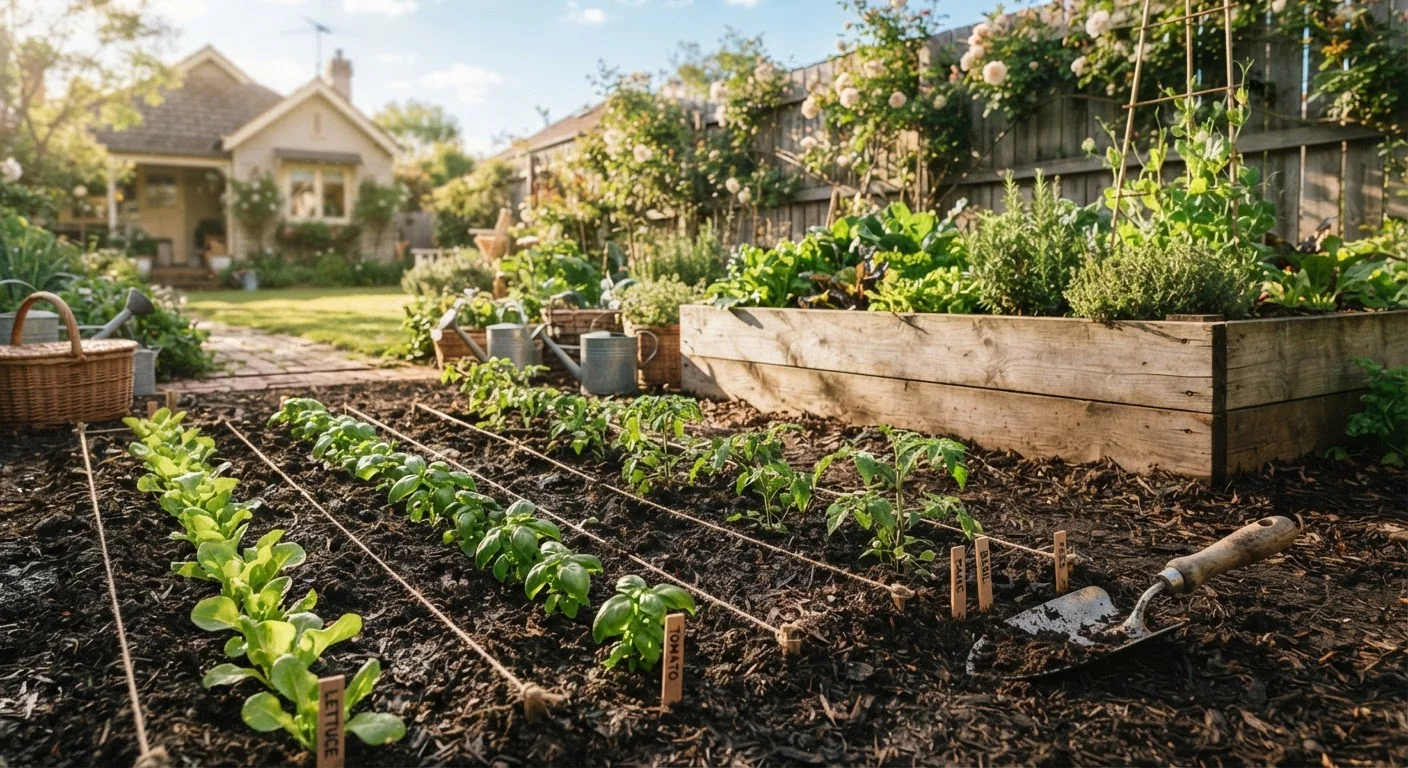
Photo: TheSearchHound.com | One Stop Answer To All Your Questions editorial
Key Takeaways
- Vegetables need at least six hours of direct sunlight daily - site selection is the single most important first decision.
- Improving soil with organic matter before planting gives vegetables the nutrients and drainage they need to thrive.
- Knowing your last frost date lets you build a planting schedule that avoids costly losses to cold.
- Consistent watering and early weed control prevent the most common causes of a failed first garden.
Choosing the Right Spot
The single most consequential decision any first-time vegetable gardener makes is where to put the garden. Most vegetables - tomatoes, peppers, cucumbers, beans, and the majority of leafy greens - need a minimum of six hours of direct sunlight per day. Eight hours is better. Walk your yard at different times of day and note which areas receive uninterrupted sun, which fall into shade from trees or structures, and when that shade arrives.
Beyond sunlight, consider proximity to a water source. Hand-carrying watering cans across a large yard gets old quickly and often leads to under-watering. A spot within reach of a garden hose makes consistent care much more realistic.
Drainage matters too. Avoid low-lying areas where water pools after rain - vegetable roots need oxygen, and waterlogged soil suffocates them. If your only viable space has drainage issues, you may want to explore alternatives. Our overview of raised garden beds covers how an elevated bed can sometimes solve drainage problems, though it comes with its own trade-offs.
Before committing, take time to map what you're working with. The Garden Planning Done Right checklist walks through sunlight, spacing, and drainage assessment step by step.
Last frost date
The average date in spring after which freezing temperatures are unlikely in your area. It determines when it is safe to plant frost-sensitive vegetables outdoors.
Loamy soil
A balanced mix of sand, silt, and clay that drains well, holds some moisture, and supports healthy root growth - widely considered ideal for vegetable gardening.
Organic matter
Decomposed plant or animal material - such as compost or aged manure - added to soil to improve its structure, drainage, and nutrient content.
Cool-season crops
Vegetables that grow best in cooler temperatures and can tolerate light frost, such as lettuce, peas, and broccoli. They are typically planted in early spring or fall.
Warm-season crops
Vegetables that require warm soil and air temperatures and are damaged by frost, including tomatoes, peppers, and squash. They are planted after the last frost date.
Mulch
A layer of material - such as straw, wood chips, or shredded leaves - placed on top of soil to retain moisture, suppress weeds, and regulate soil temperature.
Preparing and Improving Your Soil
Good soil is the foundation of a productive vegetable garden. Vegetables grow best in loose, well-draining soil rich in organic matter. Before planting anything, dig down six to eight inches and assess what you're working with. Sandy soil drains too fast; clay-heavy soil holds too much water and compacts easily. Loamy soil - a balanced mix - is the goal.
For most home gardeners, the fix is the same regardless of starting soil type: add organic matter. Aged compost, decomposed leaves, or well-rotted manure all improve structure, drainage, and nutrient availability simultaneously. Work a two- to three-inch layer into your soil before planting.
Making your own compost is one of the most cost-effective ways to improve soil year after year. Our article on composting at home explains how to turn kitchen and yard waste into a steady supply of high-quality amendment.
Start With a Small, Manageable Plot
If you suspect your soil has nutrient deficiencies or an unusual pH, an inexpensive soil test - available through most cooperative extension offices - can tell you exactly what amendments are needed before you plant.
Planning What to Plant and When
A vegetable garden without a planting schedule is a garden at the mercy of weather. The cornerstone of any planting plan is your last frost date - the approximate date in spring after which freezing temperatures are unlikely in your area. Your local cooperative extension office is the most reliable source for this information.
Vegetables fall into two broad categories based on temperature preference:
- Cool-season crops (lettuce, spinach, peas, broccoli, carrots) tolerate light frost and are planted weeks before the last frost date - or in late summer for a fall harvest.
- Warm-season crops (tomatoes, peppers, squash, cucumbers, beans) are frost-sensitive and go in the ground after the last frost date has passed and soil has warmed.
For beginners, starting with a small selection of each type keeps the garden productive from early spring through fall. Once you're comfortable with the basics, expanding into companion planting - strategically pairing crops that support each other - is a natural next step.
Basic Care: Watering, Weeding, and Feeding
Once plants are in the ground, consistent care determines whether your garden thrives or struggles. The three fundamentals are watering, weeding, and feeding.
Watering: Most vegetables need approximately one inch of water per week. Water deeply and less frequently rather than a little every day - this encourages roots to grow downward. Morning watering reduces leaf disease by allowing foliage to dry before nightfall. A layer of mulch two to three inches deep conserves moisture, moderates soil temperature, and cuts watering frequency significantly.
Weeding: Weeds compete directly with vegetables for water, nutrients, and light. They're easiest to remove when small. A quick pass through the garden every few days - pulling or hoeing weeds before they establish - is far less work than letting them take hold.
Feeding: If you've incorporated compost into your soil before planting, you've already provided a nutrient base. Many vegetables benefit from additional feeding mid-season, particularly heavy feeders like tomatoes and squash. A balanced, slow-release fertilizer applied according to package directions is a reasonable starting point. Avoid over-fertilizing with nitrogen, which promotes leafy growth at the expense of fruit production.
Don't Over-Fertilize Your Vegetables
If your garden inspires a broader interest in plant-based eating, our practical guide to plant-based eating offers a grounded introduction to making more use of what you grow.
Frequently Asked Questions
The content on this site is provided for informational purposes only and should not be considered a substitute for professional advice. While we strive to provide accurate and up-to-date information, we make no guarantees regarding its completeness or accuracy. Always consult a qualified professional for advice specific to your circumstances before making any decisions.