
Protein Sources Side by Side: Animal vs. Plant Options Compared

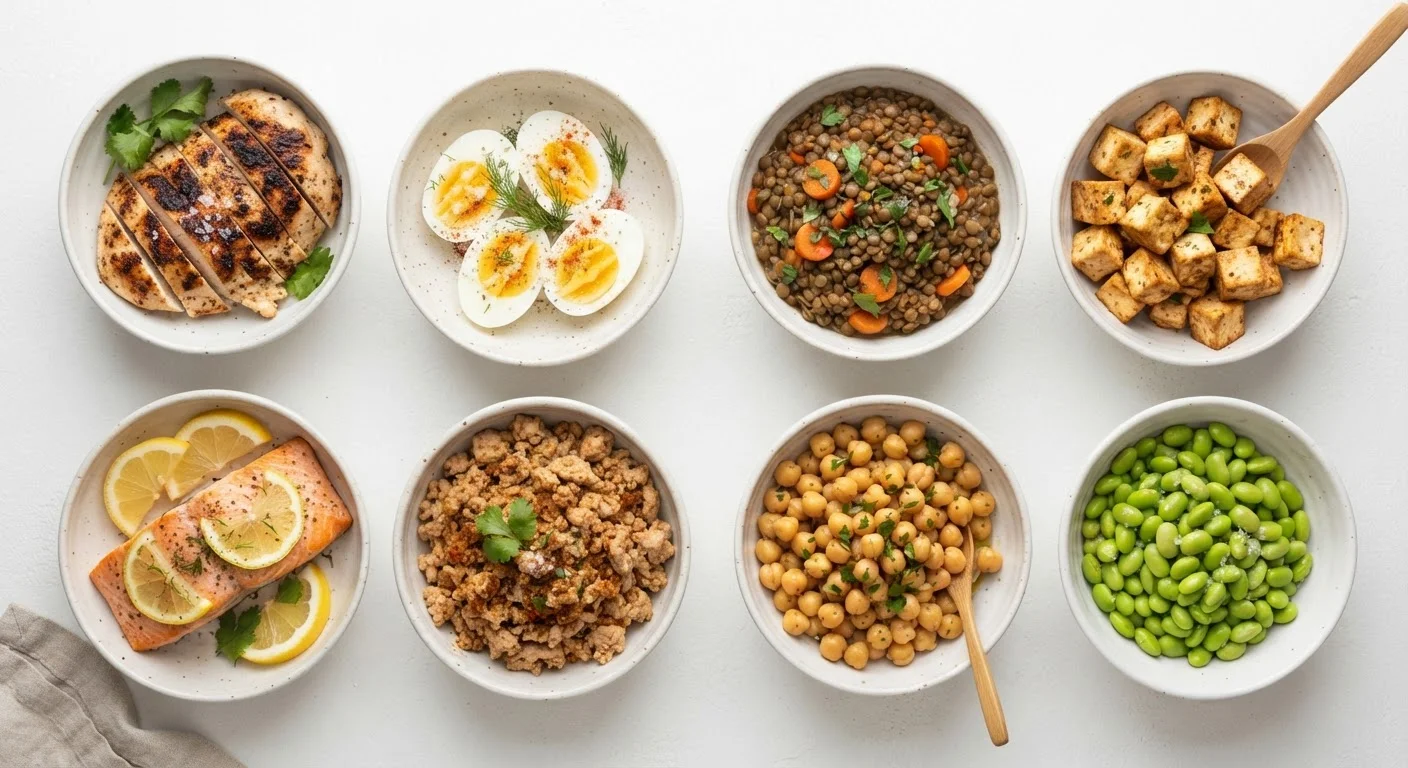
Photo: TheSearchHound.com | One Stop Answer To All Your Questions editorial
Key Takeaways
- Animal proteins are generally 'complete,' containing all nine essential amino acids in sufficient amounts.
- Most plant proteins are lower in one or more essential amino acids but can complement each other across meals.
- Digestibility differs: animal proteins are typically absorbed more efficiently than most plant proteins.
- A varied diet - plant-based or omnivore - can meet protein needs for most healthy adults.
- Individual health goals, ethics, and food access all reasonably shape which protein sources fit best.
- Consult a registered dietitian or healthcare provider for personalized nutrition guidance.
What Makes a Protein Source 'Good'?
Protein quality is evaluated along two main dimensions: amino acid profile and digestibility. Proteins are built from 20 amino acids, nine of which are considered essential - meaning the body cannot produce them and must obtain them through food. A protein source that supplies all nine in adequate amounts is called complete.
Digestibility refers to how efficiently the body can actually absorb and use the protein consumed. Nutrition researchers commonly use the DIAAS - a scoring system developed by the FAO - to rank protein quality based on both amino acid composition and true ileal digestibility. Understanding these two factors side by side helps clarify why the animal-versus-plant debate is more nuanced than either camp often acknowledges.
For a broader look at how protein fits within overall meal construction, see plate-building principles that hold up across dietary patterns.
Animal Proteins: Strengths and Considerations
Eggs, poultry, fish, red meat, and dairy products are the most common animal protein sources in the American diet. They share several characteristics worth understanding:
- Complete amino acid profiles: Animal proteins reliably supply all nine essential amino acids, with eggs frequently cited in nutrition literature as a near-ideal reference protein.
- High digestibility: Most animal proteins score well on DIAAS, meaning a larger proportion of consumed protein reaches circulation and tissues.
- Nutrient co-packaging: Many animal foods deliver B12, heme iron, zinc, and omega-3 fatty acids (particularly in fatty fish) alongside protein.
Considerations worth noting: some animal protein sources - particularly processed and red meats - are associated in observational research with increased cardiovascular and colorectal cancer risk when consumed in large amounts. Preparation method, portion size, and overall dietary pattern meaningfully influence these associations. Lean poultry, fish, and dairy carry a different risk profile than processed meats and should not be grouped together indiscriminately.
Don't Conflate All Animal Proteins
Plant Proteins: Strengths and Considerations
Legumes, tofu, tempeh, edamame, whole grains, nuts, and seeds make up the plant protein landscape. Key characteristics include:
- Amino acid gaps: Most plant proteins are low in at least one essential amino acid. Legumes tend to be low in methionine; grains tend to be low in lysine. The exception is soy, which provides a complete amino acid profile comparable to many animal sources.
- Lower but meaningful digestibility: Fiber, phytates, and other compounds in plant foods can reduce protein absorption. However, cooking, soaking, fermenting, and sprouting improve bioavailability noticeably.
- Complementary pairing: Eating varied plant foods across the day - not necessarily in the same meal - allows amino acid profiles to complement each other. Rice and beans, hummus and whole-grain pita, and lentil soup with bread are classic examples.
- Bonus nutrients: Plant proteins arrive with fiber, antioxidants, and phytonutrients absent in animal foods, which research links to cardiovascular and metabolic benefits.
If you are curious about structuring plant-forward meals practically, this practical starting point for plant-based eating outlines realistic first steps.
| Criterion | Animal Protein | Plant Protein | |
|---|---|---|---|
| Amino acid completeness | Complete (all 9 essential AAs) | Often incomplete; soy is an exception | |
| Digestibility (DIAAS) | Generally high (0.9-1.2+) | Moderate; improves with preparation | |
| Fiber content | None | Significant in legumes and whole grains | |
| Key co-nutrients | B12, heme iron, zinc, omega-3s | Phytonutrients, antioxidants, folate | |
| Nutrients requiring attention | Saturated fat (red/processed meat) | B12, iron, zinc, calcium (plant-only diets) | |
| Meal planning complexity | Lower - single sources suffice | Higher - variety supports completeness |
Putting It Together: What the Evidence Suggests
The largest and most consistent body of nutrition research - including long-term cohort studies and systematic reviews - does not declare a single protein source category as universally optimal. Instead, findings point toward overall dietary patterns. Diets rich in legumes, fish, and moderate amounts of dairy, with limited processed meat, consistently associate with better long-term health outcomes across populations.
~0.8g/kg
Daily protein RDA for healthy adults
The U.S. Dietary Reference Intake recommends approximately 0.8 grams of protein per kilogram of body weight per day for sedentary adults, with needs varying by age and activity level.
~32%
U.S. adults meeting protein needs via plant sources
Research published in nutrition journals suggests a meaningful and growing share of American adults obtain substantial protein from plant-based foods, reflecting shifting dietary patterns.
For most healthy adults, protein needs can be met reliably through either animal-inclusive or well-planned plant-based diets. The word well-planned matters: plant-based eaters benefit from intentional variety and may need to monitor nutrients such as B12, iron, calcium, and zinc more closely. Those relying heavily on animal proteins benefit from attention to saturated fat intake and fiber gaps.
No single food defines a diet's quality. Context - frequency, preparation, and the rest of the plate - shapes outcomes far more than any single protein source alone.
This article is for general informational and educational purposes only and does not constitute medical or nutritional advice. Speak with a registered dietitian or qualified healthcare provider for guidance tailored to your individual health needs.
The content on this site is provided for informational purposes only and should not be considered a substitute for professional advice. While we strive to provide accurate and up-to-date information, we make no guarantees regarding its completeness or accuracy. Always consult a qualified professional for advice specific to your circumstances before making any decisions.