
Roof Maintenance Myths That Could Cost You Money

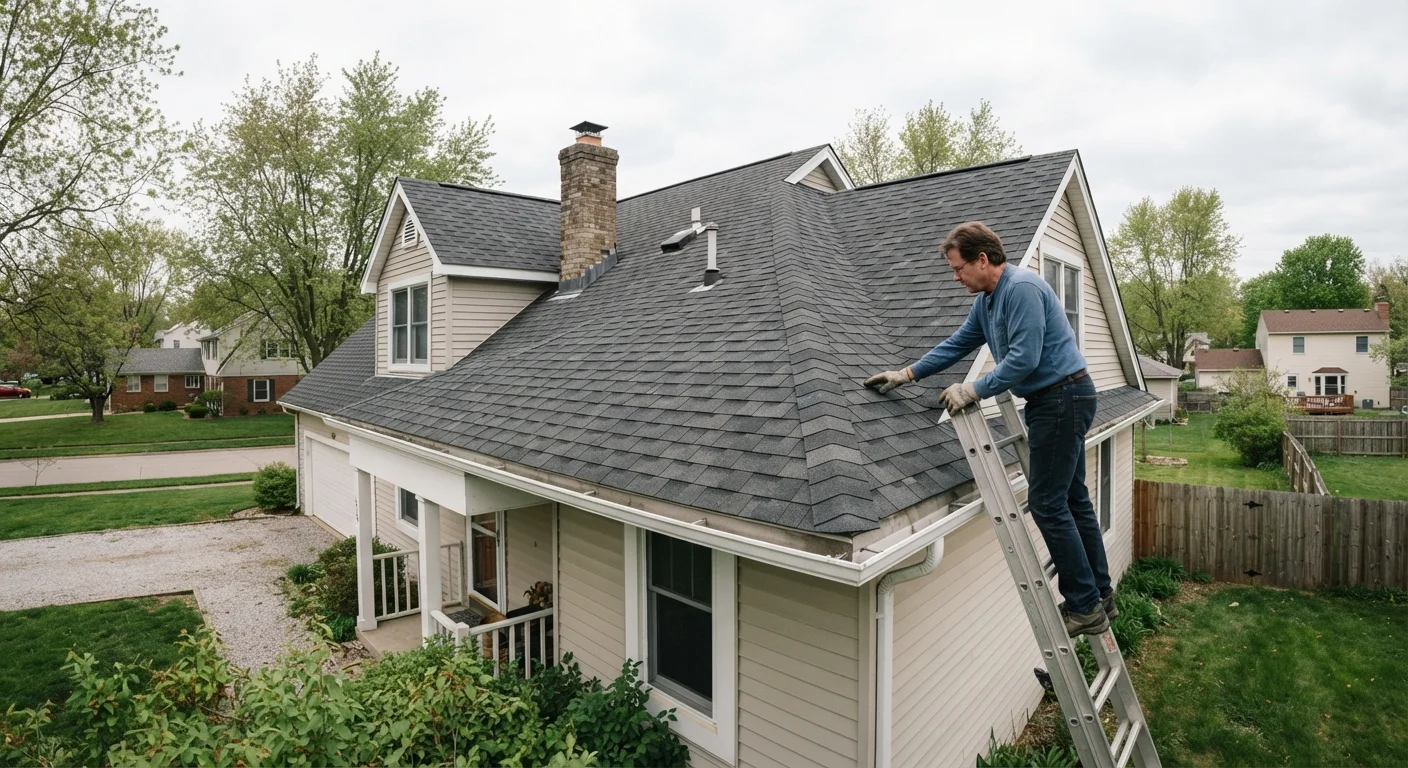
Photo: TheSearchHound.com | One Stop Answer To All Your Questions editorial
Key Takeaways
- New roofs still need regular inspections - age alone doesn't guarantee good condition.
- Pressure washing shingles can strip protective granules and void manufacturer warranties.
- Missing a few shingles may signal deeper structural or underlayment damage worth investigating.
- Gutters and attic ventilation are closely linked to roof longevity and performance.
- Most roofing work involving structural concerns requires a licensed professional.
Why Roofing Myths Are Costly
Your roof is one of the most expensive components of your home to replace, yet it's also one of the most neglected until something goes visibly wrong. A large part of the problem is misinformation - well-meaning but inaccurate beliefs passed along by neighbors, online forums, or even contractors cutting corners.
Acting on bad roofing advice doesn't just waste money on unnecessary products or services. It can shorten your roof's lifespan, void warranties, and turn a minor repair into a full replacement. The myth-busting below is grounded in guidance from roofing industry professionals and building science principles - not sales pitches.
For a broader look at how DIY assumptions quietly cause damage around the home, see our guide to costly DIY myths.
Myth
A new roof doesn't need inspections for the first 10 years.
Fact
Even recently installed roofs can develop problems from improper installation, storm damage, or manufacturer defects that only an inspection will catch.
It's easy to assume a new roof is worry-free, but installation errors - from improperly fastened shingles to inadequate flashing around chimneys and vents - can go undetected for years until water finds its way in. Many roofing warranties actually require periodic professional inspections to remain valid. Starting annual inspections early establishes a baseline, making it easier to spot changes over time.
Myth
Pressure washing is a good way to clean a roof and remove moss.
Fact
High-pressure water strips the protective granules from asphalt shingles, weakens the material, and can void manufacturer warranties.
Asphalt shingles rely on their surface granules to reflect UV radiation and shed water. A pressure washer removes those granules along with the moss or algae you're targeting, dramatically shortening the shingle's useful life. For moss and algae, roofing professionals typically recommend low-pressure rinsing combined with appropriate chemical treatments specifically formulated for roofing materials. Always check warranty documentation before attempting any cleaning method.
Myth
A few missing or damaged shingles are a cosmetic issue, not an urgent problem.
Fact
Missing shingles expose the underlayment and decking to moisture, potentially causing rot, mold, and interior water damage within a single rain event.
Shingles work as a layered system. When even one is missing, the layers below - the felt or synthetic underlayment and the wood decking - are directly exposed to rain and UV light. These materials are not designed for prolonged exposure and can deteriorate quickly. What looks like a minor fix can mask more significant underlayment failure beneath. A professional assessment helps determine whether the damage is isolated or part of a broader moisture intrusion issue.
Myth
You can apply new shingles directly over the old ones to save time and money.
Fact
While building codes in some areas permit one layer of re-roofing over existing shingles, adding layers traps heat and moisture, masks underlying damage, and adds excessive weight to the roof structure.
Layering shingles can seem like a cost-saving shortcut, but it often creates larger expenses down the road. The trapped heat between layers accelerates shingle degradation. More critically, if the existing shingles have moisture damage or the decking underneath is compromised, that damage remains hidden and continues to worsen. Many roofing professionals recommend a complete tear-off so the decking can be fully inspected and any rot or soft spots addressed before new materials go on. Always verify what your local building code allows and requires.
Myth
Roof coatings are a permanent waterproofing solution.
Fact
Roof coatings can extend the life of certain roofing materials and reduce minor leaks, but they are not a substitute for structural repairs or a replacement when a roof is at end-of-life.
Reflective or elastomeric coatings marketed for flat or low-slope roofs can be useful tools, particularly for reducing heat gain and addressing minor surface cracking. However, they cannot bridge large gaps, fix failed flashing, or compensate for a degraded substrate. Applying a coating to a roof that needs replacement typically delays the inevitable while adding cost. A professional inspection should determine whether coating or repair is genuinely appropriate for your situation.
Maintenance Habits That Actually Protect Your Roof
Knowing what not to do is half the battle. The other half is replacing those myths with practical habits that genuinely extend your roof's service life.
40%
Of roofing failures tied to improper installation
Industry roofing studies consistently attribute a significant share of premature roof failures to installation errors rather than material defects or weather events alone.
2x per year
Recommended gutter cleaning frequency
Roofing professionals generally recommend cleaning gutters at least twice annually to prevent water backup that can damage shingles and fascia boards.
Schedule Inspections Annually - Not Just After Storms
Most roofing professionals recommend at least one inspection per year, ideally in late spring or early fall. This lets you catch winter damage before summer heat expands any moisture intrusion, and prepares your roof for the next cold season. After major storms, a visual check from the ground - looking for displaced shingles, granule loss in gutters, or sagging sections - is a reasonable first step before calling a professional.
Keep Gutters Clear Year-Round
Clogged gutters force water to back up under shingles and into fascia boards, accelerating rot and leaks. Our in-depth look at gutter maintenance explains exactly how this damage develops and how to prevent it. Cleaning gutters twice a year - or more if you have overhanging trees - is one of the simplest and most effective roof-protection steps you can take.
Attic Ventilation Is Part of Your Roof System
Many homeowners think of the roof as just the shingles and underlayment they can see from outside. In reality, what happens in your attic directly affects how long those materials last. Poor ventilation traps heat in summer, which bakes shingles from the underside, and allows moisture to accumulate in winter, which can rot the decking. Learn how insulation and ventilation work together in our companion article on attic insulation and ventilation.
Never Inspect Your Roof Alone at Height
When in doubt about the scope of any roofing issue, err on the side of professional evaluation. Roofing work at height carries real safety risks, and many structural or waterproofing repairs require permits and licensed contractors depending on your local building codes. Always verify requirements with your local municipality before starting any significant roofing project.
The content on this site is provided for informational purposes only and should not be considered a substitute for professional advice. While we strive to provide accurate and up-to-date information, we make no guarantees regarding its completeness or accuracy. Always consult a qualified professional for advice specific to your circumstances before making any decisions.