
The Real Cost of Skipping Routine Home Maintenance

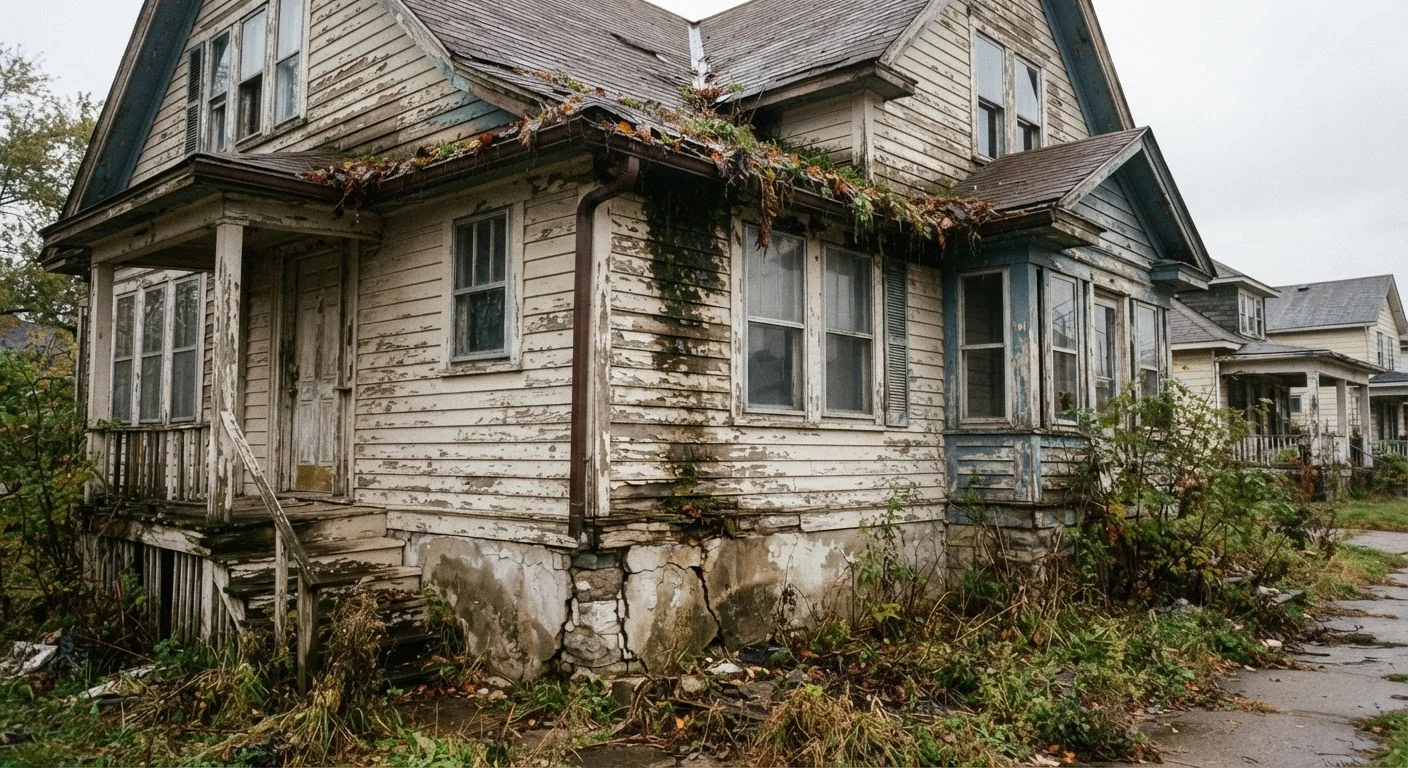
Photo: TheSearchHound.com | One Stop Answer To All Your Questions editorial
Key Takeaways
- Skipping routine maintenance rarely saves money - it typically shifts small costs into much larger future repairs.
- Water intrusion, HVAC neglect, and gutter failure are among the costliest consequences of deferred upkeep.
- Most high-risk maintenance failures begin as simple, inexpensive tasks that were repeatedly postponed.
- Tracking what you've done - and when - helps you catch gaps before they become emergencies.
- Some maintenance tasks require licensed professionals; attempting them incorrectly can create safety or code violations.
Why Deferred Maintenance Is Never Really Free
It's easy to rationalize skipping a maintenance task. The gutters look fine from the ground. The HVAC filter isn't that dirty yet. The small crack in the caulk around the tub probably isn't a big deal. These judgments feel reasonable in the moment, but home systems are designed to work together - and when one component deteriorates quietly, surrounding systems absorb the strain.
The real financial risk of deferred maintenance isn't the individual task you skipped. It's the cascade of damage that follows. A clogged gutter leads to fascia rot, which leads to soffit damage, which creates an entry point for moisture and pests. What begins as a $100 gutter cleaning can spiral into thousands of dollars in structural repairs. Understanding where these chains start is the first step to interrupting them.
For a structured view of what tasks to prioritize across each season, see our seasonal maintenance guide.
Small Leaks Become Structural Problems
The Most Costly Maintenance Mistakes Homeowners Make
The mistakes below aren't about forgetting to sweep the porch. They represent the categories where neglect consistently produces expensive, sometimes hazardous outcomes. Each one is common precisely because the warning signs are easy to dismiss - until they're not.
Ignoring gutters and downspouts until they fail visibly.
Skipping HVAC filter replacements and annual servicing.
Allowing caulk and weather sealing to deteriorate around windows, doors, and wet areas.
Neglecting roof inspections until a leak becomes obvious indoors.
Delaying water heater maintenance until the unit fails entirely.
$21,000+
Average cost of water damage repair per incident
According to industry estimates, water damage restoration from intrusion or pipe failure is consistently among the most expensive home repair categories homeowners face.
1 in 50
Homes filing a water damage claim annually
Insurance industry data suggests water damage and freezing claims are among the most frequent homeowner policy claims filed each year in the U.S.
$1 saved → $100+
Estimated repair cost ratio for deferred maintenance
Home maintenance professionals commonly cite figures suggesting that every dollar of preventive maintenance avoided can generate multiples in corrective repair costs over time.
Building Better Habits Before Problems Arrive
The most effective maintenance strategy isn't reactive - it's rhythmic. Homeowners who avoid major repair bills tend to share a few habits: they inspect systematically, they document what they find, and they act on small issues before a busy season buries the task.
A maintenance log is one of the simplest, highest-leverage tools available. Recording what was inspected, repaired, or replaced - and when - helps you spot patterns, anticipate recurring issues, and demonstrate responsible ownership if you ever sell. Our guide to keeping a home maintenance log walks through exactly how to set one up.
It's also worth being honest about which tasks exceed your skill level. DIY maintenance is valuable, but some jobs - anything involving your electrical panel, gas lines, or load-bearing structure - carry real risk when done incorrectly. Our article on maintenance tasks harder to DIY than they look offers a realistic breakdown of where professional help is genuinely warranted. The line between DIY and professional repairs is worth understanding before you start, not after.
Permits and Professionals Are Not Optional for Some Tasks
Skipping maintenance is a pattern that tends to compound - much like neglecting scheduled upkeep on a vehicle. The same logic that applies to your car applies to your home: small, consistent attention is almost always cheaper than large, reactive repair.
The content on this site is provided for informational purposes only and should not be considered a substitute for professional advice. While we strive to provide accurate and up-to-date information, we make no guarantees regarding its completeness or accuracy. Always consult a qualified professional for advice specific to your circumstances before making any decisions.