
Loyalty Programs Decoded: Rewards Points, Tiers, and What the Fine Print Means

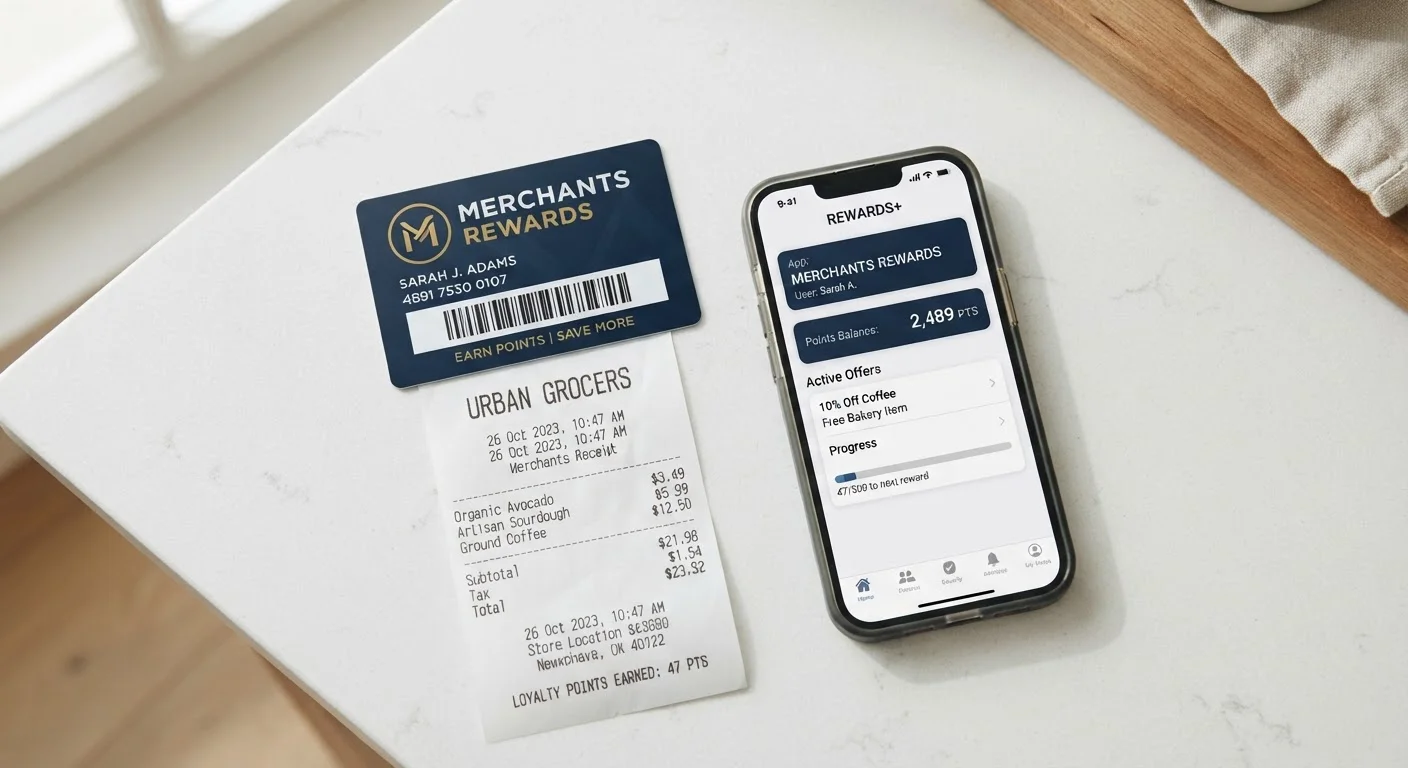
Photo: TheSearchHound.com | One Stop Answer To All Your Questions editorial
How Loyalty Programs Are Actually Structured
Loyalty programs come in several forms, but most share a core mechanic: you spend money, you earn a currency (points, miles, or cash back), and eventually you redeem that currency for something of value. Simple in theory - but the gap between earning and redeeming is where programs get complicated.
| Most common loyalty currencies | Points, miles, and cash back |
| Typical point expiration window | 12-24 months of account inactivity (Varies by program terms) |
| Airline mile value range | Roughly 0.4¢ to 2¢+ per mile (Dependent on redemption type and program) |
| Programs with paid tiers | Increasingly common across retail, grocery, and travel |
| Breakage rate (industry estimate) | ~30% of earned points go unredeemed (General industry estimate; figures vary by program) |
The most common structures include points-based systems (earn X points per dollar, redeem for rewards), tiered membership programs (spending unlocks Silver, Gold, or Platinum status with escalating perks), and paid subscription loyalty programs (an annual fee buys guaranteed benefits). Many programs now blend two or more of these models.
Points valuations vary significantly. A point in one grocery chain's program may be worth a flat penny toward future purchases. An airline mile, by contrast, might be worth anywhere from less than half a cent to over two cents depending on how and when it's redeemed. Understanding what a point is actually worth in dollar terms is the most important piece of analysis a member can do before prioritizing any program. See how loyalty stacks with other savings strategies in our guide to stacking coupons, cashback, and store sales.
Tiers, Status, and What They Actually Unlock
Tiered programs reward higher spenders with better benefits - priority service, free shipping thresholds, bonus point multipliers, or exclusive access. The marketing language around tiers is deliberately aspirational, but the practical value is uneven.
A few questions worth asking before chasing a higher tier:
- What does reaching this tier actually change? If the primary perk is more points on a category you rarely buy, the upgrade has limited value for your spending pattern.
- Is there a spending requirement to maintain status? Many programs require you to re-qualify each year. If you don't hit the threshold, you can be downgraded - sometimes losing banked points in the process.
- Are the perks available to non-members for free? Some "exclusive" tier benefits, like free returns or dedicated customer service lines, are available through other channels (credit card benefits, for example) without a spending commitment.
This connects to a broader question about brand loyalty itself - research on whether consistent loyalty to a retailer or program actually saves money is more mixed than loyalty marketers suggest. Our look at brand loyalty vs. comparison shopping explores that trade-off in detail.
Reading the Fine Print: Expiration, Blackouts, and Devaluations
The mechanics that most members overlook are the ones that silently erode value. Here are the most consequential fine-print elements to check before joining or depending on a program:
Earn Rate
The number of points, miles, or cash-back percentage awarded per dollar spent. A higher earn rate doesn't automatically mean better value - it depends on what those points are worth at redemption.
Redemption Value
The real dollar equivalent you receive when you redeem points or miles. Calculated by dividing the dollar value of the reward by the number of points required. This figure varies widely across programs and redemption types.
Breakage
Industry term for unredeemed points or miles that expire or are forfeited. Programs count on a percentage of earned rewards never being claimed - which is part of how they remain financially viable.
Tier Qualification
The annual spending or activity threshold a member must meet to earn or maintain a status level. Failing to re-qualify typically results in a downgrade at the end of the qualification period.
Point Devaluation
A program-initiated change that increases the number of points required for a given reward, effectively reducing the purchasing power of points already earned. Programs typically reserve the right to devalue without advance notice.
Blackout Date
A date or period during which points or miles cannot be redeemed for specific rewards, most common in airline and hotel programs during peak travel periods.
- Point Expiration
- Most programs expire points after 12-24 months of account inactivity. Some expire points on a fixed calendar date regardless of activity. Check whether making any qualifying transaction resets the clock - it usually does, but the transaction type sometimes matters (purchases may qualify; surveys or app check-ins may not).
- Blackout Dates and Capacity Controls
- Common in travel programs, these rules restrict when you can redeem points - typically during high-demand periods. They are often disclosed only in the full terms, not in promotional materials.
- Program Devaluations
- Companies can and do change the number of points required for a given reward, sometimes with limited notice. This is legal in virtually all standard program terms. Points you're holding today may buy less in six months if a program devalues its currency.
- Reward Caps and Category Exclusions
- Many programs cap how many bonus points you can earn per quarter, or exclude entire product categories (gift cards, alcohol, sale items) from earning. These caps are typically disclosed in the terms but not highlighted in sign-up promotions.
Before evaluating any loyalty program, it helps to understand the broader landscape of fine print in retail contexts. Our article on reading online return policies covers how to apply that same analytical lens to purchase terms generally.
This article is for general informational purposes only. Loyalty program terms vary widely and change over time - always review the current terms and conditions directly with the program before making spending decisions based on expected rewards.
The content on this site is provided for informational purposes only and should not be considered a substitute for professional advice. While we strive to provide accurate and up-to-date information, we make no guarantees regarding its completeness or accuracy. Always consult a qualified professional for advice specific to your circumstances before making any decisions.