
Brand Loyalty vs. Comparison Shopping: What the Research Actually Suggests

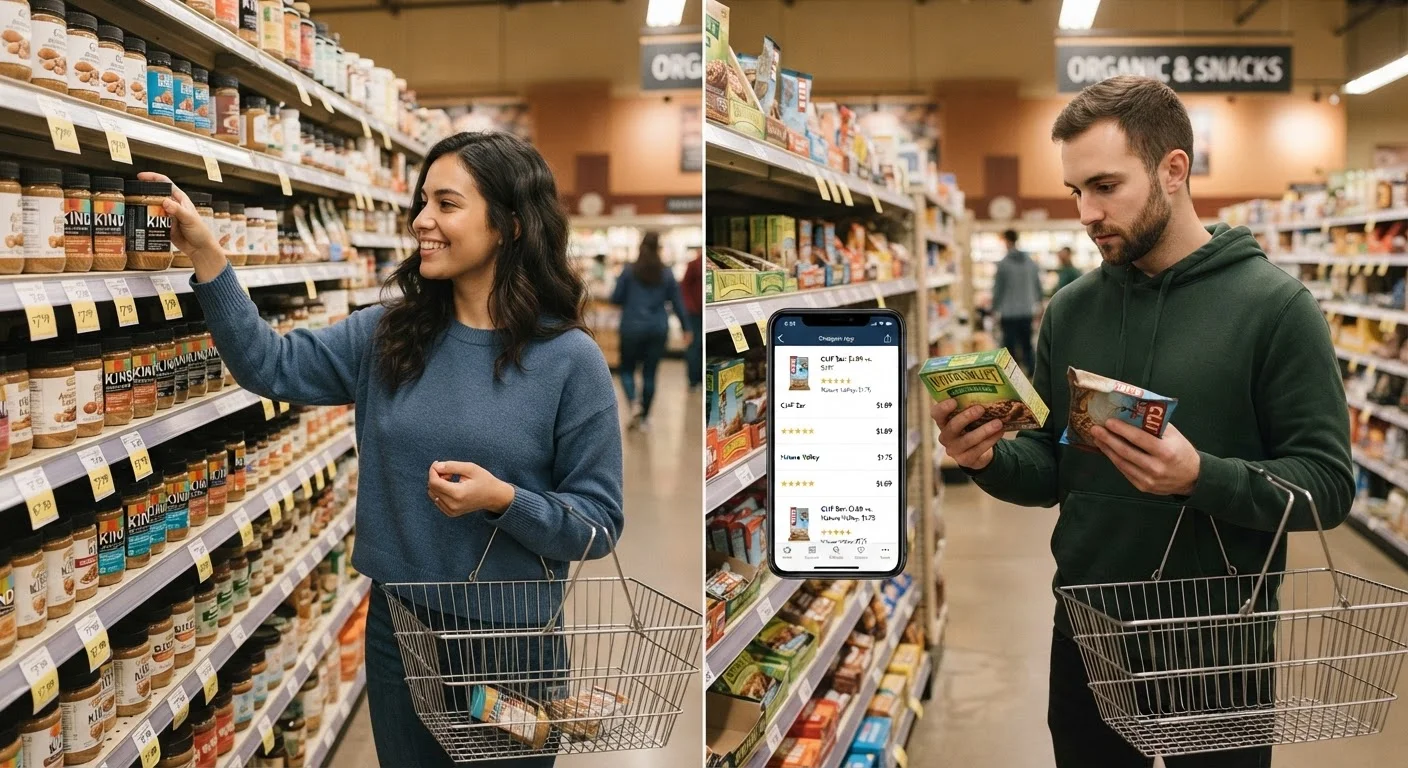
Photo: TheSearchHound.com | One Stop Answer To All Your Questions editorial
Key Takeaways
- Brand loyalty reduces decision fatigue but can lead to overpaying for familiar names over time.
- Comparison shopping consistently surfaces lower prices but requires time and carries the risk of decision paralysis.
- Research suggests a hybrid approach - loyal to categories where quality is consistent, comparative in high-spend areas - tends to serve most consumers well.
- Loyalty programs can add genuine value, but their terms often favor the retailer more than the shopper.
- The stakes of the purchase should guide how much effort you invest in shopping around.
The Core Trade-Off Most Shoppers Don't Examine
Every purchase decision sits somewhere on a spectrum: at one end, you reach for what you know; at the other, you research before committing. Both approaches carry real costs - not just financial, but also in time and cognitive effort. Understanding what each actually delivers helps you allocate that effort where it matters.
Brand loyalty is often described as irrational by economists, but that framing misses something. Consistently choosing a known product eliminates the mental load of re-evaluating options repeatedly. For everyday, low-cost purchases, that efficiency has genuine value. The problem arises when loyalty becomes a default applied to high-cost categories where price and quality variation between options is substantial.
Comparison shopping, conversely, is often treated as obviously superior - especially in an era of browser tabs and price-tracking tools. But research in consumer behavior consistently shows that more options can increase anxiety and reduce satisfaction with a final choice, a phenomenon psychologists sometimes call the paradox of choice. Shopping around isn't cost-free, even when the monetary savings are real.
For a deeper look at how to distinguish price savings from actual value, see our breakdown of price vs. value.
What Research Actually Shows
Consumer research paints a nuanced picture. Studies examining brand loyalty consistently find it correlates with higher satisfaction - not because loyal consumers always get the best deal, but because reduced uncertainty contributes to positive post-purchase feelings. When you know what to expect, you're less likely to experience buyer's remorse even if an objectively cheaper option existed.
On the comparison side, research published in behavioral economics journals has documented the "search cost" problem: the time and energy spent shopping around can outweigh monetary savings on lower-priced goods. A shopper who spends 45 minutes comparing $12 kitchen sponges across four websites has likely lost value, not gained it.
37%
Consumers who regularly compare prices before purchasing
A Pew Research Center survey on online shopping found that around 37% of Americans compare prices across multiple sites before most purchases, with higher rates for electronics and appliances.
2-3x
Price variation for identical products across retailers
Consumer research has documented that identical items can be listed at prices two to three times higher at one retailer versus another, particularly in electronics and home goods categories.
60%+
Shoppers reporting loyalty to at least one brand
Multiple consumer sentiment studies suggest a majority of US shoppers self-identify as loyal to specific brands in at least one product category, most commonly in personal care and food.
However, for high-value purchases - major appliances, electronics, insurance, furniture - comparison shopping shows measurable financial benefit. Pricing variation across retailers for identical products can be substantial, and quality differences between competing options in these categories are often documentable and significant.
The practical implication: the return on comparison shopping effort scales with the dollar value and infrequency of the purchase. Loyalty makes more economic sense for things you buy weekly; comparison makes more sense for things you buy once every several years.
How Loyalty Programs Change the Calculation
Loyalty programs complicate the comparison further. A shopper who earns meaningful rewards by concentrating purchases with one retailer may actually come out ahead versus a comparison shopper who saves 8% per transaction but captures no accumulated benefits. The math depends entirely on the specific program structure and how rewards are redeemed.
That said, loyalty programs are designed primarily to benefit the business issuing them. Points often expire, redemption categories are restricted, and tiers can require spending thresholds that push consumers to overbuy. For an honest breakdown of how these programs are structured, see our guide to loyalty program mechanics.
Audit Your Loyalty Before Renewing It
If you're enrolled in a loyalty program, it's worth periodically calculating the actual dollar return on your accumulated points versus what you would have saved by shopping around during that same period. Many shoppers find the gap is smaller than expected.
Building a Decision Framework That Works for You
Rather than committing to one approach categorically, most consumers benefit from matching their method to the purchase type. Consider the following factors before deciding how much effort to invest:
- Purchase frequency: Items you buy regularly are strong candidates for brand loyalty, where consistency matters and re-evaluation costs accumulate quickly.
- Price variance in the category: In markets where competing products are priced nearly identically for equivalent quality, loyalty costs you little. In categories with wide pricing variation, comparison shopping has clear upside.
- Stakes and reversibility: A $15 disappointment is recoverable. A $1,200 appliance that underperforms is not. Calibrate your research effort accordingly.
- Your own time value: If comparison shopping a category requires two hours and saves $20, decide honestly whether that ratio works for you.
For purchasing decisions that involve weighing spontaneous impulses against more deliberate research, our article on impulse vs. considered purchasing outlines the structural differences that lead to less regret over time.
Also, when comparison shopping online, understanding where you're buying - not just the price - matters. Our comparison of marketplace giants vs. specialty retailers covers what to watch for depending on where a deal is listed.
| Brand Loyalty | Comparison Shopping | |
|---|---|---|
| Time investment | Low - familiar routine | High - research required |
| Typical cost outcome | Potentially higher per unit | Often lower per unit (high-spend items) |
| Decision fatigue | Minimal | Can be significant |
| Post-purchase satisfaction | Generally higher (predictability) | Variable - more options, more doubt |
| Best purchase category | Frequent, low-cost staples | Infrequent, high-cost purchases |
| Loyalty program compatibility | High - rewards accumulate | Low - spend is dispersed |
The content on this site is provided for informational purposes only and should not be considered a substitute for professional advice. While we strive to provide accurate and up-to-date information, we make no guarantees regarding its completeness or accuracy. Always consult a qualified professional for advice specific to your circumstances before making any decisions.