
The Myths Around 'You Get What You Pay For'

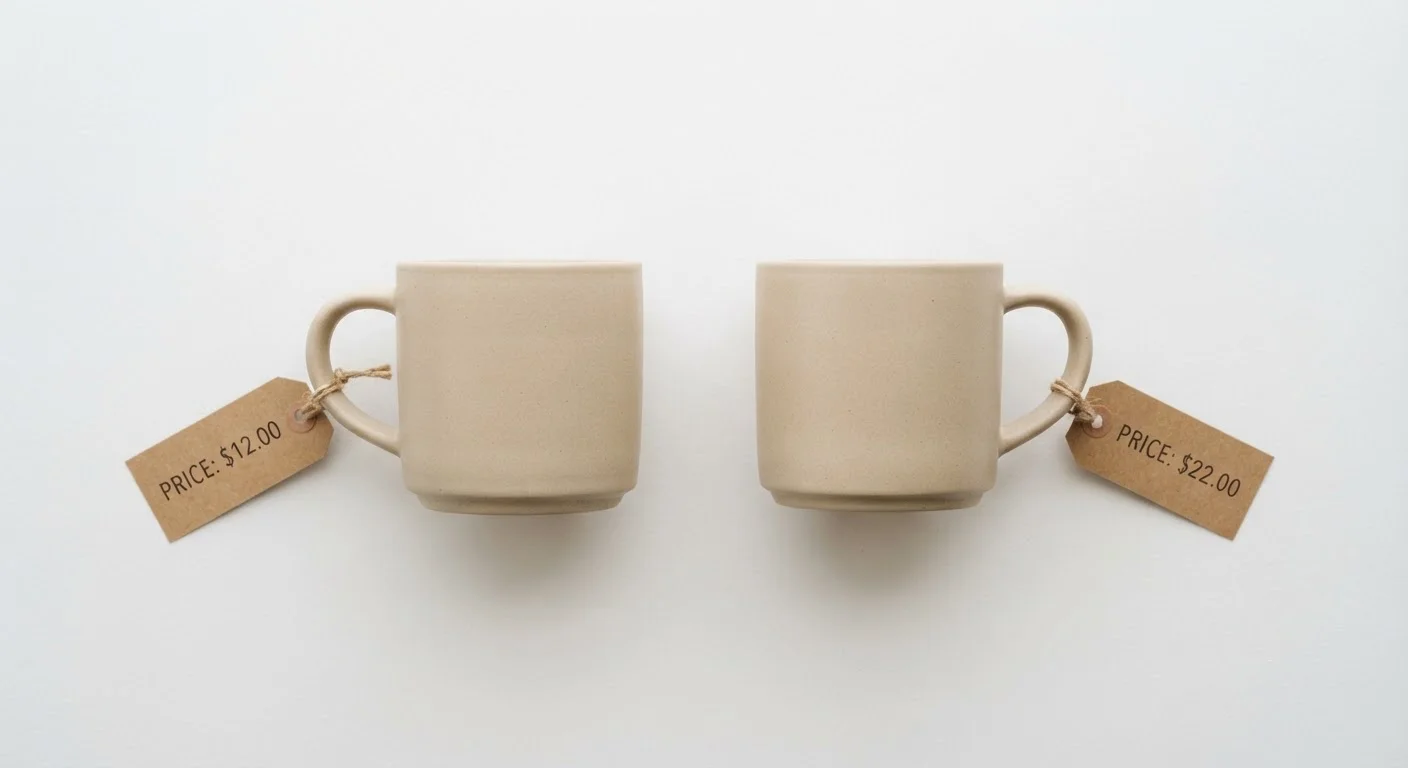
Photo: TheSearchHound.com | One Stop Answer To All Your Questions editorial
Key Takeaways
- Price is a signal of many things, including branding and marketing costs - not just quality.
- Research consistently shows consumers often cannot distinguish premium from budget products in blind tests.
- Paying more can reflect real engineering differences, but frequently reflects perceived status or retail positioning.
- Critical thinking about what drives a price tag helps you spend more confidently and accurately.
Where the Saying Comes From - and Why It Sticks
"You get what you pay for" is one of those maxims that sounds self-evidently true. It has intuitive logic: higher prices signal more investment, better materials, and greater craftsmanship. And sometimes that's accurate. A well-made tool does tend to outlast a flimsy one. But the saying has been so thoroughly absorbed into consumer culture that it's now deployed as both a shopping heuristic and a retroactive justification for overspending.
The problem is that price is set by sellers, not by an objective quality meter. It reflects production costs, yes - but also brand licensing, retail markups, advertising spend, packaging, and deliberate positioning strategy. When you pay more for a product, you're not always paying for a better product. You're often paying for the story built around it.
Understanding this doesn't mean cheap is always smart. It means price alone is a poor guide. For a grounded look at how price and value can diverge, see the distinction between price and value.
Myth
A higher price is a reliable indicator of better quality.
Fact
Price reflects many factors beyond quality, including branding, marketing, and distribution costs.
Blind taste tests, consumer lab studies, and product teardowns repeatedly show that consumers often cannot reliably identify the premium product when price labels are removed. Price is a signal set by sellers to reflect their business model - not an independent quality certification. In categories as varied as wine, over-the-counter medications, and household cleaners, store-brand or budget options have tested comparably to premium alternatives in controlled conditions.
Myth
Cheap products are always lower quality and will need replacing sooner.
Fact
Many lower-priced products meet the same functional standards as expensive ones, especially when they share manufacturing origins.
A significant portion of consumer goods - including apparel, electronics accessories, and personal care items - are manufactured in the same facilities and to similar specifications regardless of the brand name attached. The price difference is often downstream branding and retail markup. Durability depends on materials and construction, not price point alone. Evaluating a product's specifications and warranty terms tells you far more than its sticker price.
Myth
Spending more is always the financially responsible choice because it avoids replacement costs.
Fact
The total cost of ownership depends on actual product lifespan and use patterns, not assumed quality from price.
The logic of "buy once, buy right" is sound in some categories - professional tools, structural materials, safety equipment - but it gets over-applied. For products with short use cycles, rapidly changing technology, or limited personal use, an expensive purchase may never pay back its premium. Assessing how long you'll realistically use something, and what failure actually costs you, is more useful than defaulting to the expensive option as the prudent one.
Myth
Premium pricing in retail always reflects a premium product.
Fact
Premium pricing often reflects retail positioning strategy, scarcity signaling, or brand investment - not product superiority.
Retailers and brands use pricing deliberately to communicate value - and to target specific consumer segments willing to pay for perceived status. "Prestige pricing" is a documented strategy where higher prices are set intentionally to create an impression of exclusivity, independent of underlying quality. This is especially common in fashion, cosmetics, and lifestyle goods. The price is doing marketing work, not quality reporting. For more on how pricing is used as a perceptual tool, see how retail pricing psychology works.
What Actually Drives a Price Tag
To make smarter decisions, it helps to know what you're actually paying for when you choose the pricier option.
~50%
Consumers selecting premium wine in blind tests
Research in behavioral economics has found that without price information, consumers select the higher-priced wine over cheaper alternatives at rates near chance - suggesting price cues, not taste, often drive perceived quality.
3x-5x
Price gap between budget and premium in same-factory goods
Consumer advocacy organizations have documented that products manufactured in identical facilities can carry retail price gaps of three to five times based on brand name alone, with no material difference in specification.
Marketing and brand equity are substantial line items in a product's cost structure. A well-known brand can charge more simply because consumers trust the name - trust that was built through advertising, not necessarily through superior ingredients or engineering. Studies in consumer psychology have found that people often rate the exact same product higher in quality when it carries a premium label, a phenomenon sometimes called the "price-quality heuristic."
Distribution and retail placement also move prices. Products sold in specialty stores carry premiums that cover overhead, staff, and the store's own brand positioning - not always a better product inside the box. Retail pricing is shaped by strategy, not just substance, as our coverage of retail pricing psychology explores.
Genuine quality differences do exist - but they tend to plateau. In many product categories, the gap between the lowest-cost option and a mid-range one is meaningful. The gap between mid-range and premium is often much smaller than the price difference suggests. Paying twice as much rarely delivers twice the performance or longevity.
Don't Confuse Expensive With Safe or Verified
The most reliable approach: look past the price tag to independent performance data, material specifications, and - with appropriate skepticism - user reviews. On that last point, verified purchase reviews have real limitations worth understanding before you trust them.
The content on this site is provided for informational purposes only and should not be considered a substitute for professional advice. While we strive to provide accurate and up-to-date information, we make no guarantees regarding its completeness or accuracy. Always consult a qualified professional for advice specific to your circumstances before making any decisions.