
Understanding Your Phone's Trade-In Value: How Carriers and Retailers Calculate It

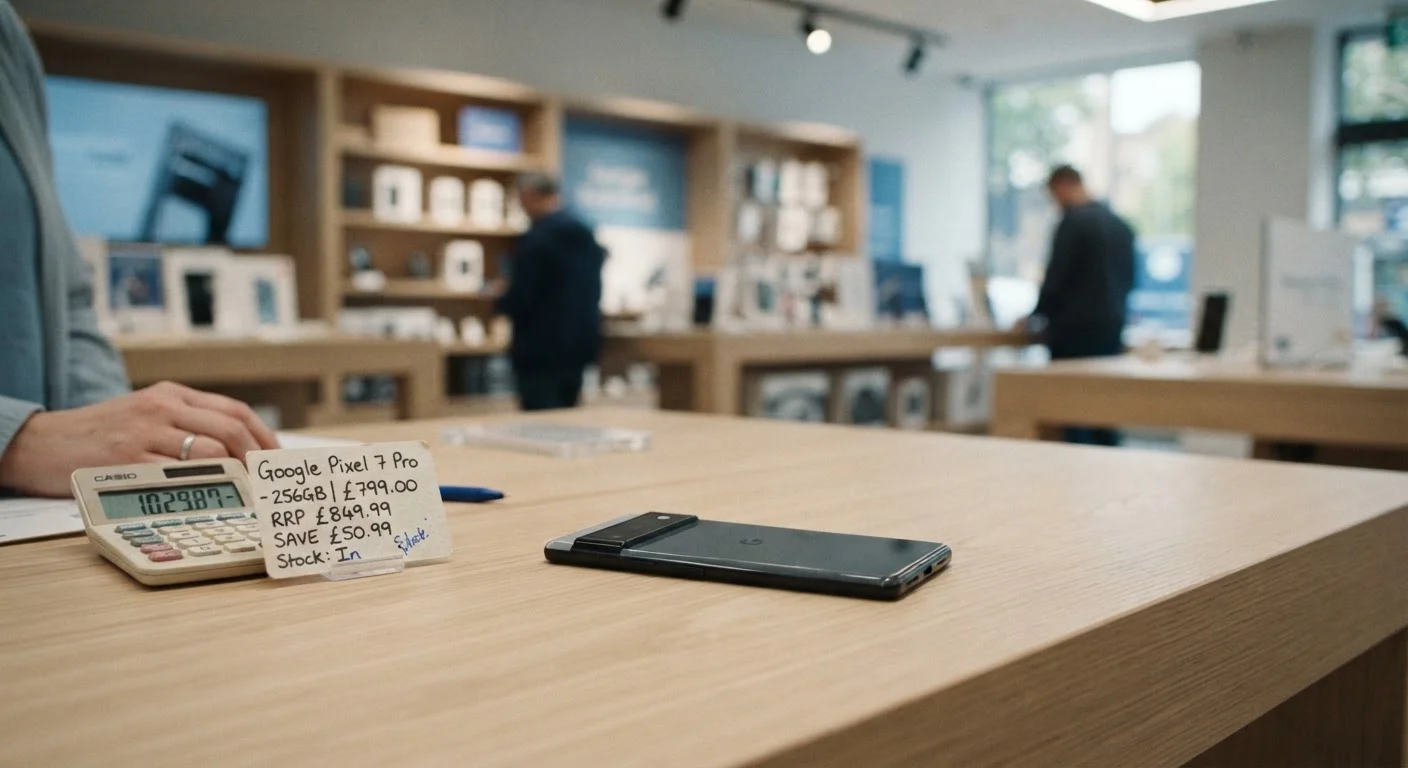
Photo: TheSearchHound.com | One Stop Answer To All Your Questions editorial
Key Takeaways
- Trade-in value is determined by device condition, model age, storage capacity, and current market demand.
- Carrier trade-in promotions often deliver credits over time, not as immediate cash.
- Third-party resellers and retailers may offer different - sometimes higher - amounts than carriers.
- Promotional trade-in values typically require a qualifying new device purchase or plan change.
- Checking multiple trade-in sources before committing gives you a more accurate picture of your device's worth.
What Actually Determines a Trade-In Quote
When you submit a phone for trade-in, evaluators - whether a carrier, national retailer, or independent reseller - run the device through a structured assessment. The core factors are consistent across most programs, even if the resulting numbers differ.
Device model and storage tier: Flagship models from recent release cycles hold value better than mid-range or budget devices. A higher storage configuration typically commands a modestly higher trade-in, though the gap narrows as devices age.
Physical condition: This is usually the biggest variable. Most programs classify devices into tiers - something like "like new," "good," "fair," and "poor" - and each step down can mean a meaningfully lower offer. Screen cracks, deep scratches, and inoperable buttons all count against you.
Functional condition: Battery health, camera function, speaker output, and charging port integrity are assessed. A phone that powers on and passes basic diagnostics is worth significantly more than one that doesn't.
Network lock status: An unlocked device is generally more attractive to resellers because it can be refurbished and sold to customers on any carrier. Some programs factor this in; others don't.
Market timing: Resale demand fluctuates. A device in high demand commands more. When a manufacturer releases a new flagship, the previous generation typically drops in trade-in value fairly quickly.
30-60%
Value reduction for cracked screen trade-ins
Industry trade-in grading programs commonly reduce offers by this range for devices with significant physical damage, based on standard refurbishment cost models.
24-36 months
Typical carrier credit disbursement period
Most major U.S. carrier trade-in promotions spread bill credits across this timeframe rather than offering a lump-sum payment at point of trade.
~15-25%
Avg. value drop after new flagship release
Secondary market data consistently shows previous-generation flagship devices losing a notable share of resale value within weeks of a successor launch.
How Carrier Trade-In Programs Differ From Third-Party Options
Carriers frequently advertise large trade-in credit figures - sometimes hundreds of dollars - but it's important to understand what those numbers actually mean before assuming they represent your phone's market value.
Carrier trade-in promotions are almost always tied to conditions: trading in toward a specific new device, switching from another carrier, or upgrading to a higher-tier plan. The elevated credit reflects a combination of genuine resale value plus a promotional subsidy designed to lock in a long-term customer relationship. Strip away the promotion, and the baseline trade-in offer is often much lower.
Credits are also commonly disbursed as monthly bill credits over 24-36 months. If you cancel service or switch carriers partway through, remaining credits are forfeited. This structure is worth understanding before you commit. For a full breakdown of contract terms that affect these arrangements, see what to look for in a carrier contract.
Third-party resellers and electronics trade-in platforms operate differently. Their offers reflect actual secondary market pricing without promotional inflation. That can mean a lower headline number - or occasionally a higher one, especially for devices in excellent condition with strong resale demand.
Check Multiple Quotes Before You Commit
Getting the Most Accurate Picture Before You Commit
Because trade-in value is not a single fixed number, comparing quotes across multiple sources before making a decision is straightforward due diligence - not extra work.
Start by getting an estimate from your current carrier, then check at least one major national retailer and one independent resale platform. Note not just the headline figure but the conditions attached to it: Is it contingent on a new device purchase? Is it paid as monthly credits or upfront? Does it require staying on a specific plan?
Be honest when self-assessing your phone's condition. Most programs allow you to submit an initial condition report and then verify the device after inspection. If your assessment is too optimistic, the offer will be revised downward - and you'll have to decide whether to accept the lower number or reclaim the device.
If you're weighing a carrier switch alongside your trade-in, the timing matters. Trade-in values and promotional conditions can expire, and switching carriers mid-credit period can cost you remaining trade-in credit. See our guide on switching carriers without unexpected fees for a practical walkthrough. Also consider how your financing arrangement affects the overall cost - comparing carrier financing to buying outright can clarify whether a trade-in credit paired with installment payments is actually a good deal.
Frequently Asked Questions
The content on this site is provided for informational purposes only and should not be considered a substitute for professional advice. While we strive to provide accurate and up-to-date information, we make no guarantees regarding its completeness or accuracy. Always consult a qualified professional for advice specific to your circumstances before making any decisions.