
Buying a Phone Outright vs. Carrier Financing: Running the Numbers

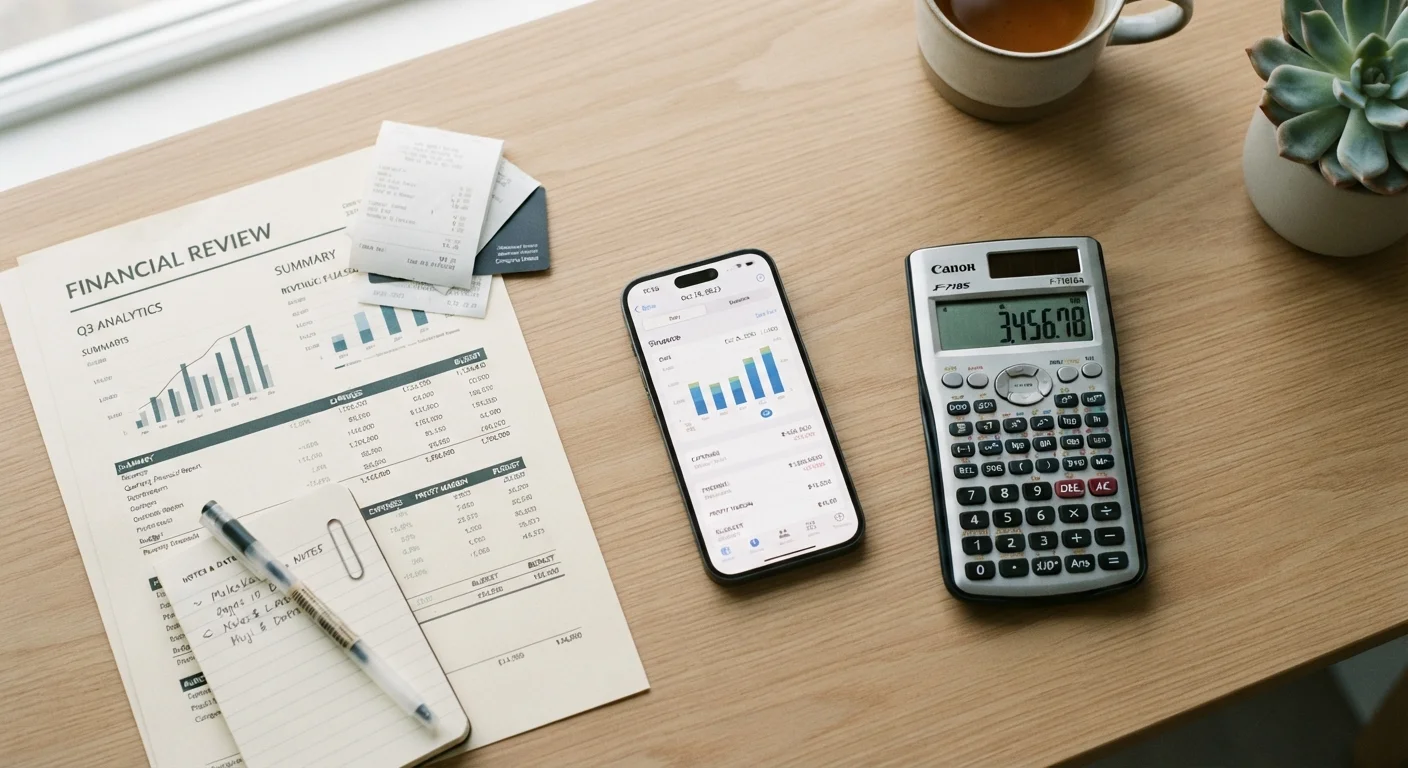
Photo: TheSearchHound.com | One Stop Answer To All Your Questions editorial
Key Takeaways
- Carrier installment plans often tie you to a specific carrier for 24-36 months, limiting your flexibility.
- Buying a phone outright typically costs more upfront but may save money over a full device cycle.
- Financing through a carrier is not always interest-free - read the fine print carefully.
- Unlocked phones purchased outright can be used across compatible carriers, increasing your negotiating power.
- Trade-in promotions can shift the math significantly, but usually come with conditions attached.
What You're Actually Comparing
When a carrier advertises a phone for "$0 down" or "just $33/month," that framing makes it easy to forget you're agreeing to pay the full retail price of the device - spread across 24 to 36 months - often bundled invisibly into your service plan. Buying a phone outright, by contrast, means paying the full price at the point of purchase, typically for an unlocked device you own immediately.
The core question is not which option has a lower number on a screen. It's which option costs less in total, given how long you'll keep the phone and how tied you're willing to be to a single carrier. Before you commit to either path, it's worth understanding what's buried in the carrier contract, including device payoff terms and early upgrade conditions.
How Carrier Financing Actually Works
Most major U.S. carriers offer EIPs - equipment installment plans - that divide a phone's retail price into equal monthly payments over 24 or 36 months. Many plans are advertised as zero-interest, but that designation requires scrutiny: some financing arrangements through third-party lenders embedded in the purchase flow do carry interest, and promotional pricing is frequently conditional on maintaining a specific plan tier.
Key restrictions commonly attached to carrier financing include:
- Plan lock-in: Promotional pricing or bill credits are often voided if you downgrade your service plan before the installment term ends.
- Device lock: Financed phones may be carrier-locked until a portion - or all - of the device balance is paid off.
- Trade-in conditions: Advertised trade-in values often require keeping the same plan for the full term. See our guide on how trade-in value is calculated to understand the conditions attached to those offers.
| Buying Outright (Unlocked) | Carrier Financing (EIP) | |
|---|---|---|
| Upfront cost | Full retail price paid immediately | Low or no upfront payment |
| Total device cost | Fixed retail price | Equal or higher, depending on terms |
| Carrier flexibility | Use on any compatible network | Often locked until balance paid |
| Plan requirements | Choose any compatible plan | May require specific plan tier |
| Switching carriers | No device balance owed | Remaining balance may be due immediately |
| International use | Compatible with foreign SIMs | Carrier lock may restrict SIM swaps |
| Ownership | Immediate full ownership | Owned after final payment |
Running a Real Cost Comparison
Consider a phone with a retail price of $1,000. Purchased outright, that's $1,000 paid once - after which you own the device free and clear. On a 36-month installment plan at $27.78/month (assuming no interest), you pay the same $1,000 in total. So far, equivalent.
The divergence appears when you factor in plan requirements. If the carrier's installment promotion requires a premium unlimited plan at $80/month, but an equivalent unlocked device would let you use a lower-cost plan - or switch to an MVNO - at $40/month, the 36-month service cost difference alone is $1,440. That far exceeds the device price itself. MVNOs that run on major networks often provide comparable coverage at substantially lower monthly rates.
24-36 months
Typical carrier installment plan length
Most major U.S. carriers structure equipment installment plans over two to three years, tying the device cost to ongoing service.
$400-$600
Potential 3-year plan cost difference
Choosing a lower-cost compatible plan on an unlocked device versus a required premium tier can result in hundreds of dollars in savings over the financing term.
If you switch carriers mid-financing, you may owe the remaining device balance immediately. That's a risk worth calculating before signing. Our walkthrough on switching carriers without surprise fees covers how to time a move to minimize those costs.
Flexibility and Long-Term Considerations
An unlocked phone purchased outright gives you carrier portability - you can move to any compatible network without asking permission or settling a device balance. This matters most if you travel internationally, since carrier-locked phones may not accept foreign SIMs. Before any international trip, review the right questions to ask your carrier about roaming.
Financing, on the other hand, distributes a large cost over time - which has real value for households managing cash flow. If the alternative to financing is carrying a high-interest credit card balance to buy outright, the installment plan may be the lower-cost option depending on the interest rate involved.
There's also the question of upgrade cycles. Carriers sometimes offer early upgrade programs that let you swap to a new device before the term ends - but this typically means trading in your current phone and starting a new financing agreement, meaning you never fully own the device. For readers who prefer prepaid or postpaid flexibility, ownership of an unlocked device is often the cleaner fit.
How to Make the Comparison for Your Situation
To evaluate these options accurately, calculate the total cost of ownership for each path:
- Start with the device price under each scenario (outright purchase price vs. total installment payments).
- Add the total service plan cost over the same period (e.g., 36 months) required under each option.
- Subtract any confirmed, unconditional trade-in value or credits - being careful to note any conditions that could void them.
- Factor in any realistic switching costs you'd face if your plans change mid-term.
The option with the lower final number is the better deal for your situation - but only if the conditions attached to that option match how you actually intend to use the device and service. When in doubt, ask the carrier to show you the total cost in writing before you sign anything.
The content on this site is provided for informational purposes only and should not be considered a substitute for professional advice. While we strive to provide accurate and up-to-date information, we make no guarantees regarding its completeness or accuracy. Always consult a qualified professional for advice specific to your circumstances before making any decisions.