
Habits That Quietly Wear Down Your Vehicle Faster Than You'd Expect

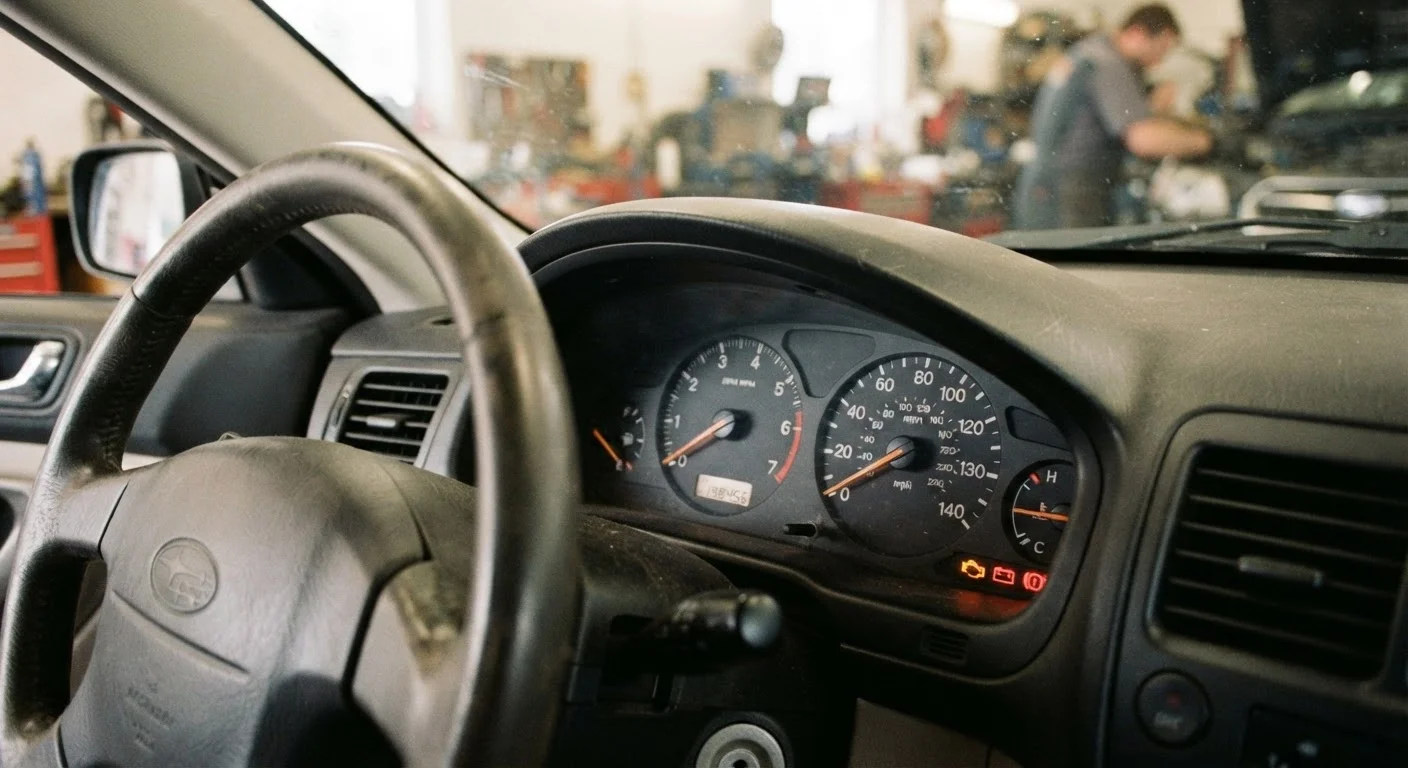
Photo: TheSearchHound.com | One Stop Answer To All Your Questions editorial
Key Takeaways
- Riding the brakes downhill overheats rotors and dramatically shortens brake pad life.
- Ignoring the parking brake on automatic vehicles stresses the parking pawl over time.
- Topping off the gas tank can damage the evaporative emissions system with repeated use.
- Short trips under two miles prevent the engine from reaching optimal operating temperature.
- Low tire pressure causes uneven tread wear and reduces fuel efficiency measurably.
Why Everyday Habits Matter More Than Big Failures
Most vehicles don't fail suddenly from a single catastrophic event. They degrade gradually - worn down by small, repeated behaviors that individually seem harmless. The tricky part is that these habits feel normal, even sensible, while they're happening. Understanding which routines quietly accelerate wear puts you in a much better position to extend your vehicle's life without expensive interventions.
For a broader look at how deferred upkeep compounds into bigger costs, see the case for sticking to your car's maintenance schedule. The connection between small neglect and large repair bills is consistent and well-documented.
Riding the brakes on long downhill stretches instead of using engine braking.
Never engaging the parking brake on vehicles with automatic transmissions.
Topping off the gas tank after the pump clicks off automatically.
Frequently making very short trips - under two miles - without longer drives in between.
Ignoring low tire pressure for extended periods.
Resting a hand on the gear shift lever while driving.
The Habits Worth Changing - and How to Change Them
Brake Fade Is a Real Safety Risk
Several of the most damaging habits involve systems drivers interact with constantly: brakes, tires, the fuel system, and the transmission. The disc brakes vs. drum brakes breakdown explains why brake components are particularly vulnerable to heat and sustained pressure - context that makes the downhill braking mistake much easier to understand.
Tire-related habits deserve equal attention. Tire pressure affects far more than most drivers realize, from tread life to fuel efficiency to handling stability. Checking pressure monthly takes under five minutes and is one of the highest-return maintenance habits available to any driver.
For a broader inventory of what tends to get overlooked, vehicle maintenance items drivers frequently overlook covers the lesser-known tasks that quietly affect longevity and safety. Pairing that awareness with the habits outlined here gives you a more complete picture of what routine vehicle stewardship actually involves.
These aren't obscure mechanical concerns - they're patterns that show up in everyday driving for millions of people. Adjusting them doesn't require mechanical expertise, just awareness and a small shift in routine.
The content on this site is provided for informational purposes only and should not be considered a substitute for professional advice. While we strive to provide accurate and up-to-date information, we make no guarantees regarding its completeness or accuracy. Always consult a qualified professional for advice specific to your circumstances before making any decisions.