
Seasonal Car Care: What to Check as the Weather Changes

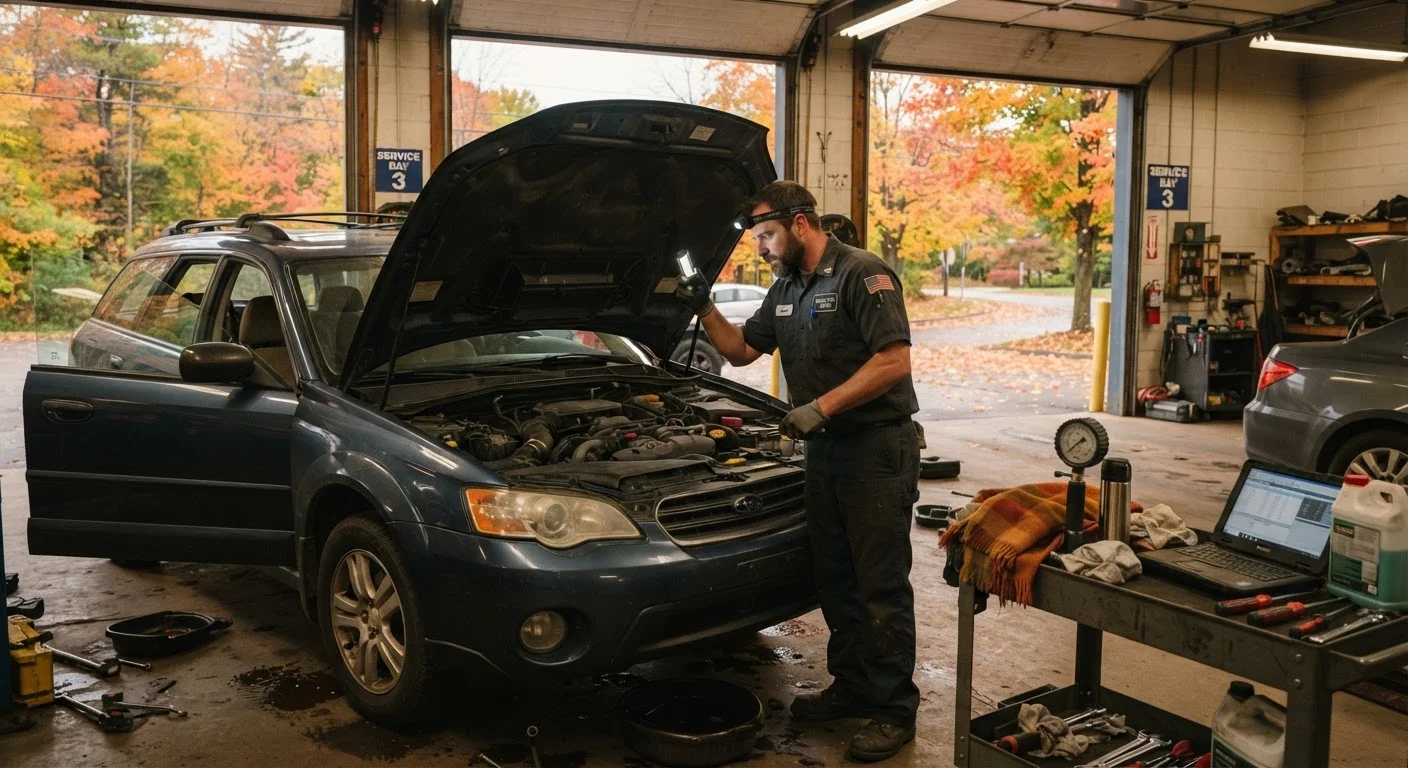
Photo: TheSearchHound.com | One Stop Answer To All Your Questions editorial
Key Takeaways
- Temperature extremes stress your battery, tires, and fluids more than moderate weather does.
- Tire pressure drops roughly 1 PSI for every 10°F decrease in outside temperature.
- Wiper blades and cabin air filters are low-cost items that significantly affect safety and comfort.
- Winter and summer place different demands on your cooling system and engine oil.
- Many seasonal checks can be completed at home with basic tools and your owner's manual.
Why Seasonal Checks Matter More Than You Might Think
Your car is engineered to operate across a wide range of conditions, but that doesn't mean it transitions between seasons without stress. Heat degrades rubber hoses and accelerates battery wear. Cold thickens fluids, reduces tire pressure, and can reveal a weak battery that was managing just fine in mild weather. Catching these issues in your driveway - before they strand you on the highway - is the goal of a seasonal inspection.
This checklist is organized into two seasonal passes: one heading into summer heat and one heading into winter cold. Some items apply to both. For guidance on checking your vehicle's fluids safely at home, that process deserves its own close look before you begin.
Know When to Stop and Call a Professional
Tools You'll Want on Hand
You don't need a professional shop setup to run through this checklist. The items below cover what most drivers will find useful during a thorough seasonal walk-around.
Tire pressure gauge
Accurately check tire PSI so you can inflate or deflate to the manufacturer's recommended level.
Battery tester or multimeter
Measure battery voltage and assess whether your battery is still holding a reliable charge.
Flashlight or work light
Illuminate dark engine bay areas, tire sidewalls, and undercarriage components during inspection.
Coolant test strips
Verify your antifreeze mixture's freeze-protection rating before cold weather arrives.
Owner's manual
Reference manufacturer-specified fluid types, filter part numbers, and maintenance intervals for your exact vehicle.
Penny (for tread depth check)
Perform a quick tread depth test on each tire to determine if replacement is needed.
Wire brush and baking soda
Clean corrosion from battery terminals safely and inexpensively.
The Seasonal Checklist
Work through these items systematically. Items marked must are non-negotiable safety concerns. Items marked should are strongly recommended. Nice-to-have items improve comfort or catch issues early but aren't urgent. Many of these overlap with maintenance tasks drivers frequently overlook - it's worth reviewing that list alongside this one.
Battery & Electrical
Tires & Wheels
Fluids
Visibility & Wipers
Battery Failure Is the Leading Cause of Cold-Weather Breakdowns
After the Checklist: What to Do With What You Find
A seasonal inspection is only useful if you act on what you discover. If you identify a fluid that's low or discolored, top it off or schedule a flush with a qualified mechanic. If your battery tests weak, replace it before the season turns - a battery that struggles at 50°F will often fail completely at 20°F.
If you're preparing for a long drive after completing your seasonal check, pair this routine with a pre-trip inspection before hitting the highway. And once you're on the road in challenging conditions, understanding how rain, snow, ice, and fog affect your vehicle will help you adapt your driving behavior to match.
For a deeper look at one often-neglected category, car filters - air, cabin, oil, and fuel deserve attention every season and are easy to check yourself. When in doubt about any repair or component replacement, consult a licensed automotive technician rather than guessing.
The content on this site is provided for informational purposes only and should not be considered a substitute for professional advice. While we strive to provide accurate and up-to-date information, we make no guarantees regarding its completeness or accuracy. Always consult a qualified professional for advice specific to your circumstances before making any decisions.