
Reading Your Dashboard Warning Lights

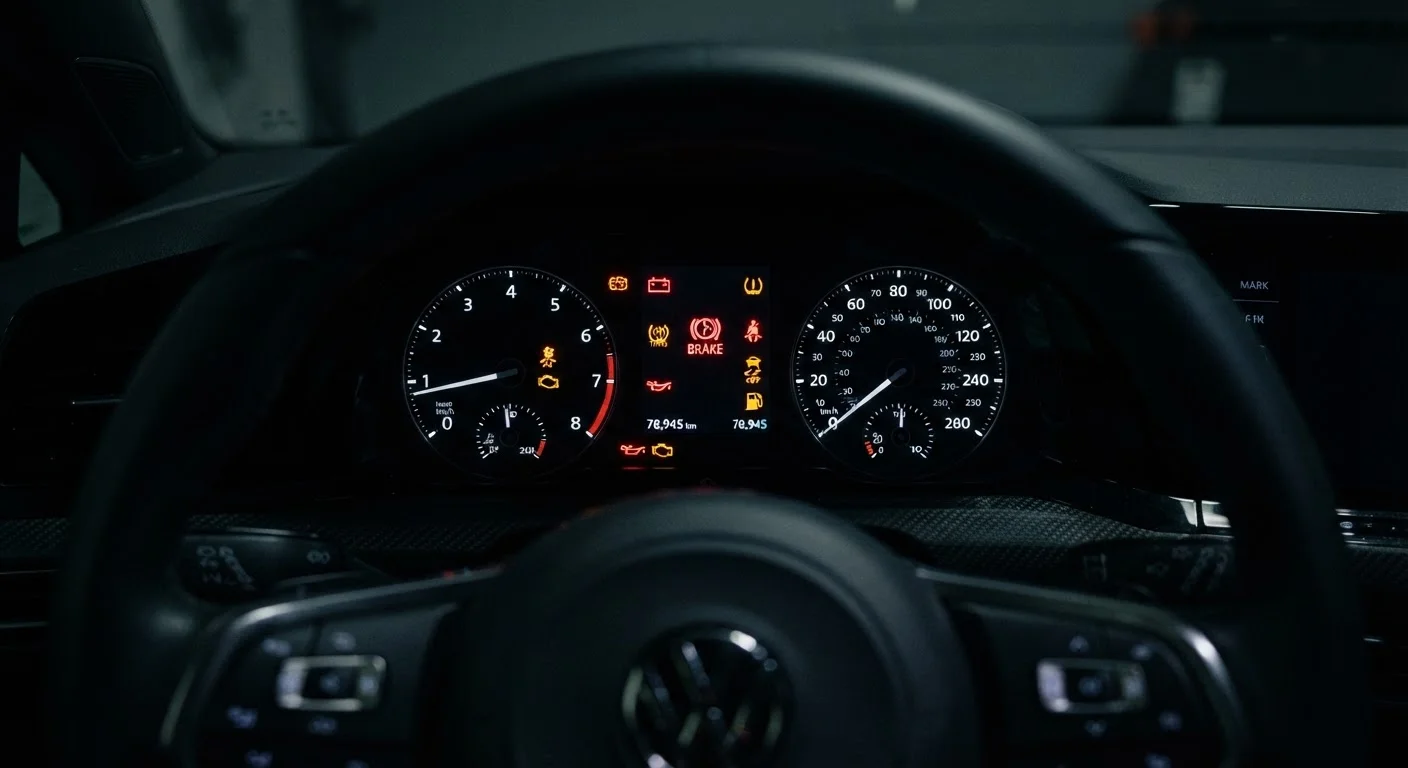
Photo: TheSearchHound.com | One Stop Answer To All Your Questions editorial
How the Warning Light System Works
Your vehicle's onboard diagnostic system continuously monitors dozens of sensors across its major systems. When something falls outside acceptable parameters, it triggers a warning light on the instrument cluster. Understanding what these lights mean - and how quickly you need to act - is one of the most practical skills any driver can have.
Most lights follow a color-coded urgency system:
- Red - Stop or act immediately. Continuing to drive could cause serious damage or a safety hazard.
- Amber/Yellow - Attention needed soon. Schedule a service appointment within a day or two.
- Green or Blue - Informational only. A system is active (e.g., high beams, turn signal).
Not every symbol is universal. Designs vary by manufacturer, so your owner's manual remains the definitive reference for your specific vehicle. That said, many icons are standardized enough that this guide covers the most common ones reliably.
Common Warning Lights and What They Mean
The lights below appear across most mainstream vehicles sold in the United States. Use this as a quick-reference lookup when a symbol appears on your dash.
OBD-II
On-Board Diagnostics, second generation - a standardized system required on all U.S. cars and light trucks built after 1996 that monitors vehicle performance and logs fault codes readable by a scan tool.
TPMS
Tire Pressure Monitoring System - sensors in each wheel that alert the driver when tire pressure drops significantly below the recommended level.
Instrument Cluster
The panel directly behind the steering wheel that houses the speedometer, fuel gauge, and all warning lights.
Diagnostic Trouble Code (DTC)
A standardized alphanumeric code stored by the vehicle's computer when a sensor reading falls outside its normal range; retrieved using an OBD-II scan tool.
Alternator
A generator driven by the engine that keeps the battery charged and powers electrical components while the vehicle is running.
Coolant
A fluid (also called antifreeze) that circulates through the engine and radiator to regulate operating temperature and prevent overheating or freezing.
Battery / Charging System
Looks like: A rectangle with a plus and minus sign (a battery outline).
What it means: The charging system isn't maintaining proper voltage - often the alternator, battery, or a loose cable connection. Urgency: High. Your car could stall soon. Minimize electrical load, drive directly to a shop, and avoid short trips that don't allow recharging.
Engine Temperature
Looks like: A thermometer submerged in liquid.
What it means: Coolant temperature is dangerously high. Urgency: Immediate - stop driving. Continuing risks engine damage. Pull over safely, turn off the engine, and allow it to cool before checking the coolant level. See our guide to checking your vehicle's fluids for safe next steps.
Oil Pressure
Looks like: A small oil can with a drop.
What it means: Oil pressure has dropped critically low. Urgency: Immediate - stop driving. Running an engine without adequate pressure can cause irreversible internal damage within minutes. Do not restart until the issue is diagnosed.
Tire Pressure (TPMS)
Looks like: A cross-section of a tire with an exclamation point inside.
What it means: One or more tires is significantly under-inflated. Urgency: Moderate - address soon. Under-inflated tires affect handling, fuel economy, and can fail at highway speeds. Check pressure at your next safe stop. For full context on tire readings, see our tire pressure and sidewall numbers guide.
Brake Warning Light
Looks like: An exclamation point inside a circle, sometimes surrounded by parentheses.
What it means: Could indicate low brake fluid, worn brake pads, or a fault in the braking system. If the parking brake is released and this light remains on, urgency is high. Don't delay - our brake warning symptoms guide explains what to watch for.
Check Engine Light
Looks like: An engine outline or the words "CHECK ENGINE."
What it means: A fault has been logged in one of many engine or emissions-related systems. Urgency depends on whether it's steady (address soon) or flashing (stop driving - potential catalytic converter damage). Our in-depth article on what the check engine light is actually telling you covers this in detail.
Traction Control / Stability Control
Looks like: A car with squiggly lines beneath the tires, sometimes labeled "TC" or "ESC."
What it means: The system is actively working to maintain grip (normal in slippery conditions) or has been deactivated manually. If it illuminates on dry pavement without explanation, have the system checked.
Multiple Lights On at Once
What To Do When a Light Comes On
When any warning light activates, the safest default is to not ignore it. A light that seems minor can escalate into an expensive or unsafe situation if left unaddressed. Here's a practical framework:
- Note the color and symbol. Red means act now; amber means schedule service.
- Check for symptoms. Strange sounds, smells, or handling changes alongside a light raise urgency.
- Consult your owner's manual for your vehicle's specific definition of the icon.
- Use an OBD-II reader (available at most auto parts stores) to pull diagnostic trouble codes for engine-related lights - many stores will do this at no charge.
- See a qualified mechanic for anything you're unsure about, especially red lights or multiple lights illuminating simultaneously.
For a broader look at what routine tasks you can handle yourself versus when to hand the job off, see our guide to DIY car maintenance limits. All dashboard-related concerns that involve stopping safely, checking fluids, or evaluating brake behavior are covered in the Car Maintenance hub.
The content on this site is provided for informational purposes only and should not be considered a substitute for professional advice. While we strive to provide accurate and up-to-date information, we make no guarantees regarding its completeness or accuracy. Always consult a qualified professional for advice specific to your circumstances before making any decisions.