
Companion Planting Combinations That Experienced Gardeners Rely On

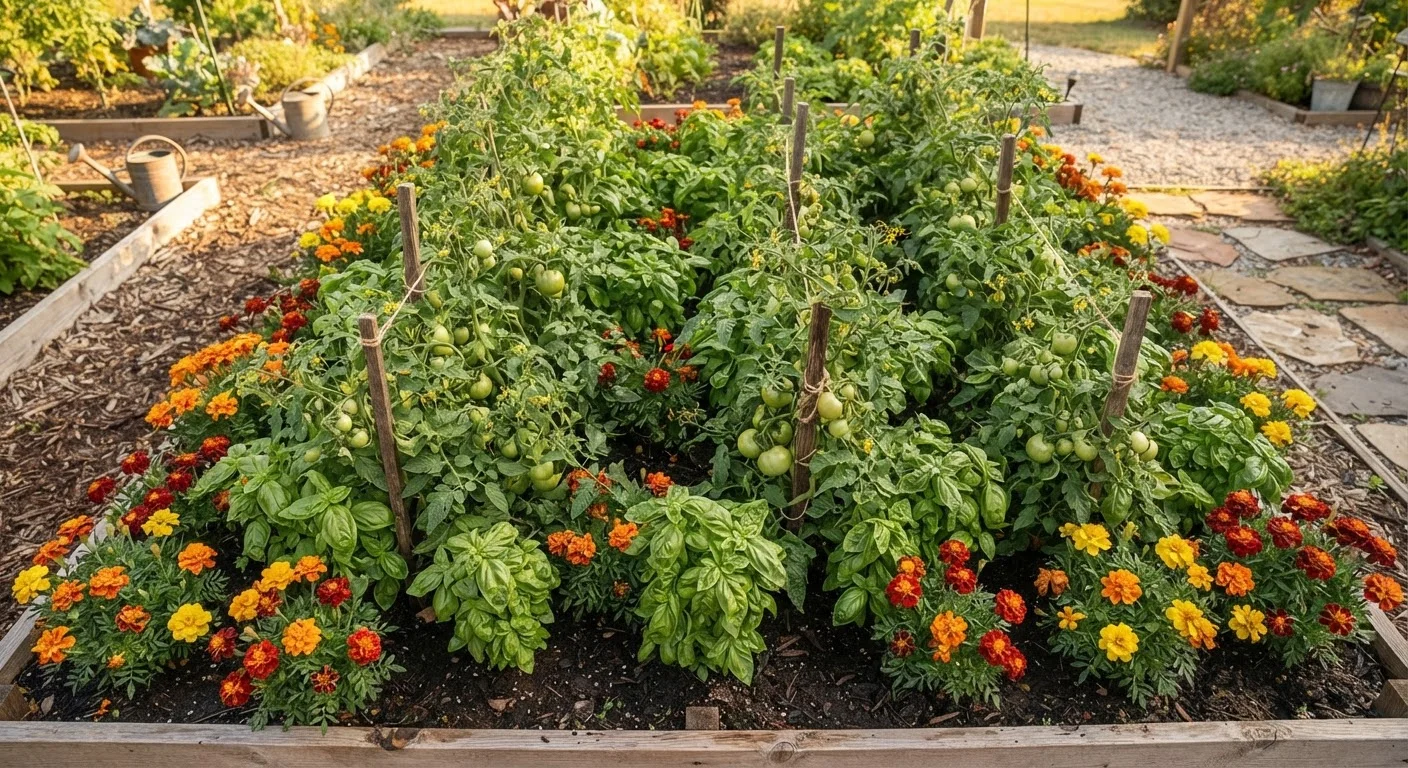
Photo: TheSearchHound.com | One Stop Answer To All Your Questions editorial
Key Takeaways
- Companion planting uses natural plant relationships to deter pests, attract pollinators, and improve soil health.
- The classic 'Three Sisters' combination of corn, beans, and squash remains one of the most effective space-saving strategies.
- Aromatic herbs like basil and dill do double duty as culinary plants and pest deterrents.
- Some pairings actively harm each other - knowing what not to plant together matters as much as knowing what pairs well.
- Companion planting works best as one layer of a broader, well-planned garden strategy.
Why Plant Pairings Actually Matter
Companion planting is the practice of growing certain plants in close proximity because they benefit one another in measurable ways. The benefits range from pest suppression and improved pollination to better use of vertical and horizontal space. It isn't magic - it's ecology applied to your garden bed.
The science behind many traditional pairings is well-supported by horticultural research, though some folk combinations have less evidence behind them. The pairings featured here have consistently demonstrated practical value and are widely used by experienced home gardeners across the country. Before you start arranging plants, it helps to map your garden space carefully - sunlight, spacing, and timing all affect whether companion planting delivers results.
Tomatoes and Basil
This is probably the most cited companion pair in American vegetable gardening - and it holds up. Basil is thought to repel aphids, whiteflies, and tomato hornworm moths through its strong volatile oils. Planted at the base of tomato plants, it may also attract beneficial pollinators and predatory insects that keep pest populations in check.
Keep basil well-watered alongside tomatoes, as both prefer consistent moisture and full sun. Pinching back basil flowers extends the plant's productive life and keeps the oils concentrated. Avoid planting fennel near this pair - fennel is famously antagonistic to most garden vegetables, including tomatoes.
Basil's volatile oils may deter aphids, whiteflies, and hornworm moths when planted near tomatoes.
The Three Sisters: Corn, Beans, and Squash
Developed and refined over centuries by Indigenous farmers in North America, the Three Sisters combination is a masterclass in polyculture. Corn provides a natural trellis for climbing beans. Beans fix nitrogen from the air into the soil, feeding the heavy-feeding corn and squash. Squash spreads along the ground, shading out weeds and retaining soil moisture with its large leaves.
Each plant supports the others in distinct, complementary ways - a model of resource efficiency in a compact space. This system works best in a sunny location with well-amended soil. If you're growing in a raised bed, allow adequate square footage since corn, in particular, needs space and cross-pollination from multiple stalks.
Corn, beans, and squash each support the others through structure, nitrogen fixation, and ground cover.
Marigolds and Vegetables
French marigolds (Tagetes patula) are among the most broadly useful companion plants available to home gardeners. Their roots produce a compound called alpha-terthienyl, which has been shown in research to suppress certain soil nematodes - microscopic pests that damage root systems. Above ground, their scent may deter aphids, whiteflies, and other soft-bodied insects.
Plant marigolds as a border around vegetable beds or intersperse them between crops. They also attract hoverflies and other beneficial predators. For best effect, plant densely and allow them to bloom throughout the season rather than deadheading aggressively.
Marigold roots produce compounds that can suppress harmful soil nematodes damaging vegetable root systems.
Carrots and Onions
Carrots and onions are classic partners because each deters the other's primary pest. Carrot flies are repelled by the pungent scent of onion family plants, while onion flies dislike the smell of carrots. Interplanting rows of carrots and onions (or leeks and chives) creates a mutual chemical barrier that can reduce pest pressure meaningfully.
Both plants are relatively shallow-rooted and work well in the same bed without competing aggressively for nutrients. Chives, a close onion relative, pull double duty here - they're compact, perennial in many climates, and their blossoms attract pollinators through the season.
Carrots and onions each mask the scent that attracts the other's primary pest insect.
Roses and Garlic
Ornamental gardeners have long planted garlic at the base of roses to suppress aphid infestations - one of the most persistent rose problems in home gardens. Garlic releases sulfur compounds into the soil and surrounding air, which appear to deter aphids and some fungal pathogens including black spot.
Plant garlic cloves several inches from the rose's main cane, and allow the green shoots to grow undisturbed through the season. This pairing also works with chives, which offer a similar, if milder, effect. Neither will completely eliminate aphid pressure, but many gardeners report a noticeable reduction when used consistently year over year.
Garlic's sulfur compounds may deter aphids and reduce black spot pressure on nearby rose plants.
Dill and Brassicas (With a Timing Caveat)
Dill attracts a wide range of beneficial insects - parasitic wasps, lacewings, and hoverflies - that prey on caterpillars and aphids commonly found on brassicas like cabbage, broccoli, and kale. Young dill planted near brassicas can help establish a beneficial insect population early in the season.
The important caveat: mature dill becomes antagonistic to some plants, particularly carrots and tomatoes, once it begins to flower and set seed. Plan your timing carefully - use dill as a companion in its early growth stages, and consider removing or relocating plants before they go to seed if your garden is tightly planted. Pairing dill with native flowering plants nearby can further amplify beneficial insect populations.
Young dill attracts beneficial predatory insects that naturally reduce caterpillar and aphid pressure on brassicas.
Building a Smarter Garden Bed
The combinations above are a starting point, not a rigid formula. Different regions, soil conditions, and microclimates will affect how well any pairing performs. One practical habit is to keep simple notes each season - what went where, what seemed to thrive or struggle - so you refine your approach over time.
Start Small and Observe
Companion planting also works best when your soil is already healthy. Composting kitchen and yard scraps is one of the most effective ways to build the organic matter that lets all your plants - companion-planted or not - perform at their best. For additional pest identification help, our guide to garden pests and the damage they cause can help you pinpoint what's actually eating your plants before you reach for any intervention.
The content on this site is provided for informational purposes only and should not be considered a substitute for professional advice. While we strive to provide accurate and up-to-date information, we make no guarantees regarding its completeness or accuracy. Always consult a qualified professional for advice specific to your circumstances before making any decisions.