
Garden Pests Worth Knowing and How to Identify the Damage They Leave

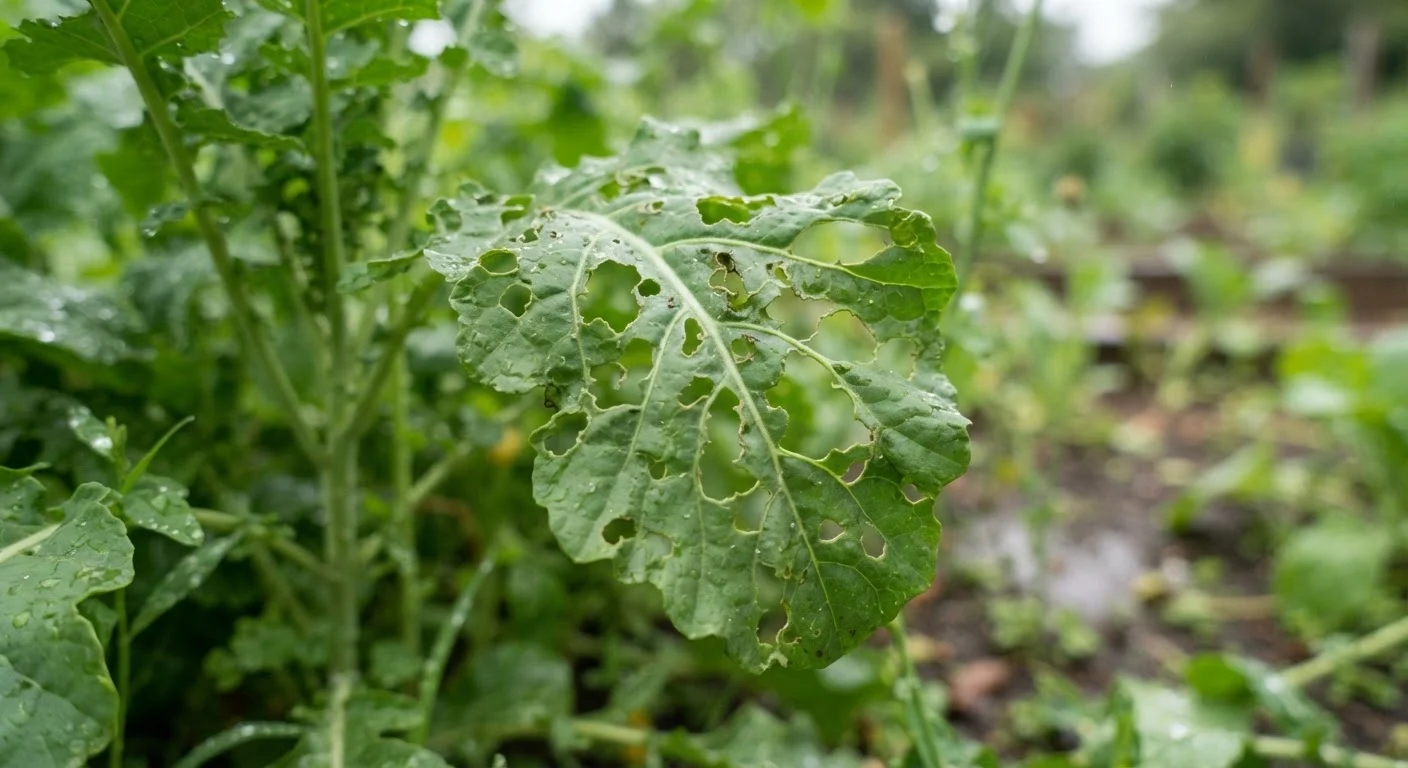
Photo: TheSearchHound.com | One Stop Answer To All Your Questions editorial
Why Damage Patterns Matter More Than Spotting the Bug
Most garden pests do their worst work at night or underground - by the time you see them, the damage is already underway. Learning to identify what the damage looks like, rather than hunting for the insect itself, is a far more reliable diagnostic skill for home gardeners.
This reference covers the most common pests in American home gardens, organized by the damage type they leave behind. Use it alongside your garden planning checklist to catch vulnerabilities before planting season begins.
| Most common vegetable garden pests | Aphids, cabbage worms, squash vine borers, cucumber beetles, tomato hornworms (University cooperative extension surveys, general consensus) |
| Damage type: chewed leaf edges | Japanese beetles, caterpillars, slugs, earwigs |
| Damage type: stippled or bronzed leaves | Spider mites, thrips, leafhoppers |
| Damage type: wilting with intact leaves | Squash vine borers, cutworms, root rot (non-pest) |
| Best time to scout for pests | Early morning or evening, when many insects are most active |
| Soil-level pest indicator | Lawn sections that lift like loose carpet may signal white grub infestation |
Common Garden Pests and Their Signature Damage
The following pests are routinely encountered across U.S. home gardens. Each causes a recognizable pattern that, once learned, makes identification much faster.
Frass
The waste material left by feeding insects, typically small dark pellets. Finding frass on or beneath a plant is a reliable sign of caterpillar or borer activity.
Skeletonizing
A feeding pattern where insects consume the soft tissue between leaf veins, leaving a translucent, lace-like framework. Japanese beetles are a common cause.
Honeydew
A sticky, sugary substance excreted by sap-feeding insects such as aphids and scale. It coats leaves and often leads to secondary sooty mold growth.
Galls
Abnormal plant growths triggered by a pest or pathogen, including root-knot nematodes. They appear as swollen bumps or knots on roots or foliage.
Stippling
A fine, dotted pattern of discoloration on leaf surfaces caused by piercing-sucking insects such as spider mites or thrips removing cell contents.
Beneficial Insects
Insects that help control pest populations by preying on or parasitizing them. Ladybugs, lacewings, and parasitic wasps are well-known examples.
Chewed or Ragged Leaf Edges
- Japanese Beetle: Skeletonizes leaves between the veins, leaving a lace-like appearance. Adults feed in clusters, often starting at the top of the plant and working downward.
- Caterpillars (various): Irregular, large bites from leaf edges or entire sections removed. Frass (small dark pellets) found on or beneath leaves is a reliable indicator.
- Slugs and Snails: Irregular holes in leaves, often near ground level, accompanied by a silvery mucus trail on leaves or nearby soil.
Stippled, Yellowing, or Bronzed Foliage
- Spider Mites: Tiny yellowish or white speckling on upper leaf surfaces; fine webbing on the undersides of leaves, especially in hot, dry conditions.
- Thrips: Silvery or bronze streaking and distorted new growth. Shake a flower or leaf over white paper - tiny slender insects will drop onto the surface.
Wilting Plants With Intact Foliage
- Squash Vine Borer: Sudden wilting of squash or zucchini vines despite adequate water. Look for a small entry hole near the base of the stem, often with sawdust-like frass.
- Cutworms: Seedlings severed cleanly at soil level overnight. These moth larvae hide in the soil just beneath the surface during daylight hours.
Distorted or Curled Growth
- Aphids: Clusters of soft-bodied insects on new growth, causing leaves to curl and distort. Sticky honeydew residue on leaves below and the presence of ants are strong secondary indicators.
- Leafhoppers: Pale stippling and leaf curl, similar to mites but with a distinctive wedge-shaped insect visible on leaf undersides when disturbed.
Root and Soil-Level Damage
- Grubs (White Grubs): Lawn areas or garden beds with dead patches that lift like loose carpet, revealing C-shaped white larvae beneath. Learn more about timing your response in our season-by-season lawn care calendar.
- Root-Knot Nematodes: Stunted, yellowing plants that don't respond to watering or fertilization. Pull a plant and inspect roots for small galls or knots - this is the definitive sign.
Using Companion Planting and Garden Design as Pest Deterrents
Chemical intervention is rarely the first tool experienced gardeners reach for. Many common pests can be discouraged through garden design choices made well before planting. Rotating crops disrupts pest life cycles that depend on the same host plant returning to the same spot each season. Healthy, well-amended soil produces stronger plants that are naturally more resistant to pest pressure.
Certain plant pairings also play a documented role in reducing pest populations by attracting beneficial insects or producing compounds that deter common pests. Our companion planting guide covers time-tested pairings worth considering when laying out your beds.
When to Seek Expert Identification
When damage is severe, widespread, or involves root systems you cannot inspect easily, consulting your local cooperative extension office is a practical next step. They can confirm identification and recommend management strategies appropriate for your region and pest pressure level.
The content on this site is provided for informational purposes only and should not be considered a substitute for professional advice. While we strive to provide accurate and up-to-date information, we make no guarantees regarding its completeness or accuracy. Always consult a qualified professional for advice specific to your circumstances before making any decisions.