
Native Plants and Why Ecologists Keep Recommending Them

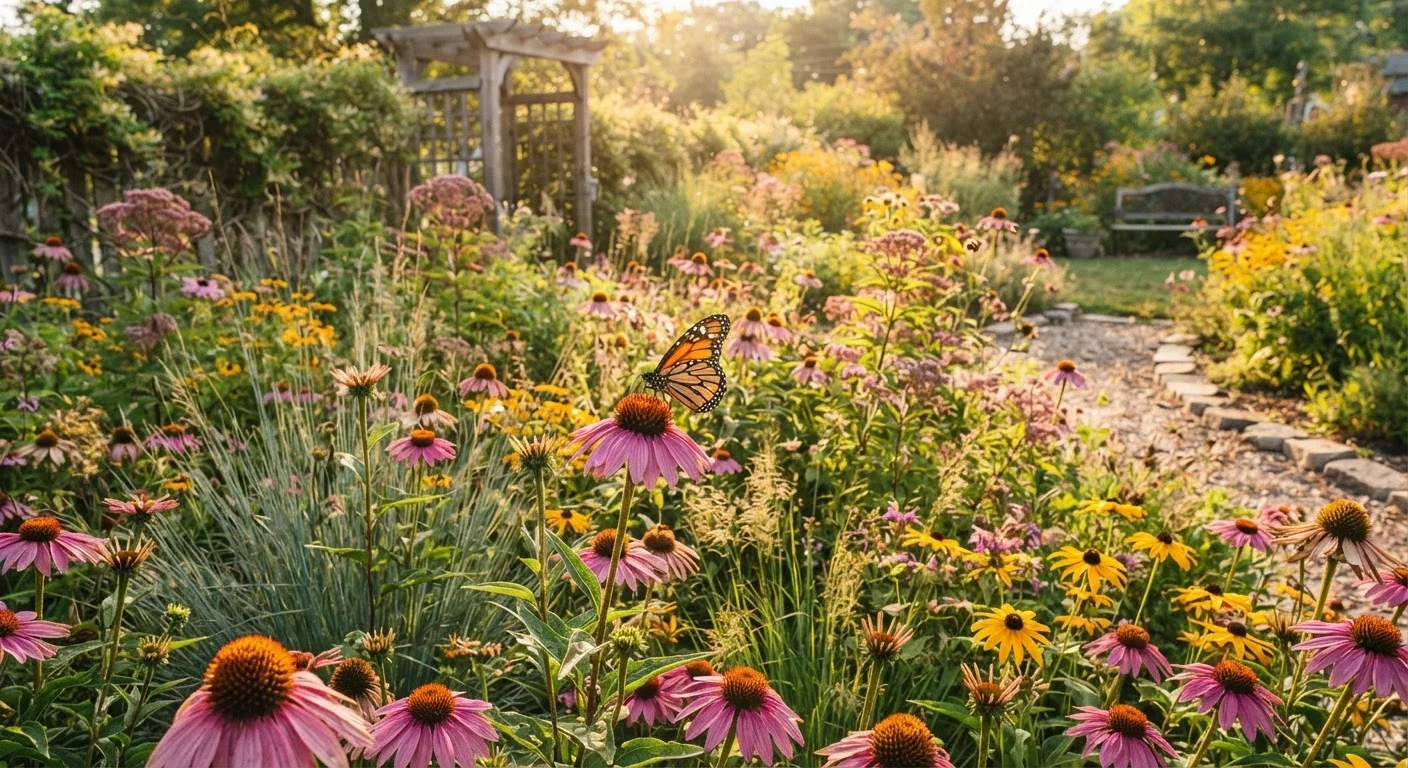
Photo: TheSearchHound.com | One Stop Answer To All Your Questions editorial
Key Takeaways
- Native plants evolved with local ecosystems and support wildlife far more effectively than most non-native ornamentals.
- Once established, natives typically need far less water, fertilizer, and pest management than introduced species.
- A single native oak tree can support hundreds of caterpillar species - most non-native trees support very few.
- Mixing natives into an existing garden is a practical starting point - full conversion isn't required.
- Choosing natives appropriate to your specific region matters more than selecting any broadly labeled 'native' plant.
What Ecologists Mean When They Say 'Native'
When an ecologist recommends native plants, they're talking about something very specific. A plant is native to a region when it evolved there - developing relationships with local insects, birds, soil microbes, and other plants over millennia. Those relationships are the key. Non-native ornamentals may look beautiful, but they often exist in a kind of ecological silence: few local insects can use them, and the food web built around them is thin.
The distinction matters because most insects are specialists. Entomologist Douglas Tallamy's research has highlighted that many caterpillar species - the base of the food chain for nesting birds - can only feed on specific native plant genera. A yard full of non-native shrubs may support almost none of them, regardless of how green and healthy it looks. Before you plant a single new addition, it's worth thinking through your space using a framework like the one in our garden planning guide - assessing sunlight, soil type, and drainage first will help you choose natives that actually thrive in your conditions.
The Practical Advantages for Everyday Gardeners
Beyond the ecological case, native plants offer straightforward, tangible benefits to homeowners - especially once established.
90%
Of land birds that depend on insects for food
Research by entomologist Douglas Tallamy estimates that roughly 90% of plant-eating insects are specialized to feed on specific plant families - making native plants essential to sustaining bird populations.
500+
Caterpillar species supported by native oaks
Studies cited in Tallamy's research indicate that native oak trees can support over 500 species of caterpillars, compared to far fewer on commonly planted non-native ornamental trees.
~30%
Of outdoor residential water used on lawns and gardens
The U.S. Environmental Protection Agency estimates that landscape irrigation accounts for nearly a third of residential water use - a figure native plants can help meaningfully reduce.
Lower water use: Natives are adapted to local rainfall patterns. In most regions, established native plants require little to no supplemental irrigation outside of drought conditions. This translates directly to lower water bills and less time with the hose.
Reduced fertilizer and pesticide needs: Because natives are suited to local soils, they rarely need the fertilizer inputs that non-native species often demand. They've also co-evolved with local pests, so outbreaks that devastate introduced plants often pass natives by - or are controlled naturally by predatory insects attracted to the same habitat.
Lower long-term effort: The first season or two requires consistent watering while roots establish. After that, most native plantings become largely self-sustaining. For gardeners managing a busy schedule, that shift in maintenance burden is significant.
How Natives Fit Into a Larger Garden Strategy
Switching to an all-native garden overnight isn't realistic for most homeowners - and it isn't necessary. Even modest additions of native plants meaningfully increase habitat value. A native shrub in a corner bed, a pollinator strip along a fence line, or a cluster of native perennials replacing a struggling non-native patch all contribute.
Start Small, Then Expand Gradually
Natives also work well alongside thoughtful companion planting strategies. Our article on companion planting combinations covers how certain plants support each other - many of those principles apply equally when natives are part of the mix, since native species often attract the beneficial insects that make companion planting work in the first place.
For shaded yards, native ferns, woodland wildflowers, and understory shrubs are particularly valuable - they've adapted to exactly the low-light conditions that challenge most conventional garden plants. Our shade gardening guide explores specific plant strategies for those conditions.
Getting Started: What to Consider Before You Plant
The most important step is matching the plant to your specific region - not just selecting anything labeled 'native.' A plant native to the Southeast won't perform the same way in the Pacific Northwest. Your local cooperative extension service, native plant society, or a knowledgeable local nursery can point you toward species genuinely suited to your climate and soil.
A few practical starting points:
- Assess your site conditions first - sun exposure, drainage, and soil type determine which natives will thrive or struggle.
- Start with high-impact species - native oaks, native milkweeds for monarchs, and native grasses provide disproportionate habitat value relative to effort.
- Source locally where possible - plants grown from regionally collected seed are better adapted to your specific conditions than those grown far away.
- Plan for the establishment period - water new natives consistently for the first growing season, then step back and let their natural adaptation take over.
The payoff is a garden that works harder than it looks - supporting birds, pollinators, and beneficial insects while asking less from you in return.
Frequently Asked Questions
The content on this site is provided for informational purposes only and should not be considered a substitute for professional advice. While we strive to provide accurate and up-to-date information, we make no guarantees regarding its completeness or accuracy. Always consult a qualified professional for advice specific to your circumstances before making any decisions.