
Merging, Lane Changes, and Blind Spots: Where Drivers Most Often Go Wrong

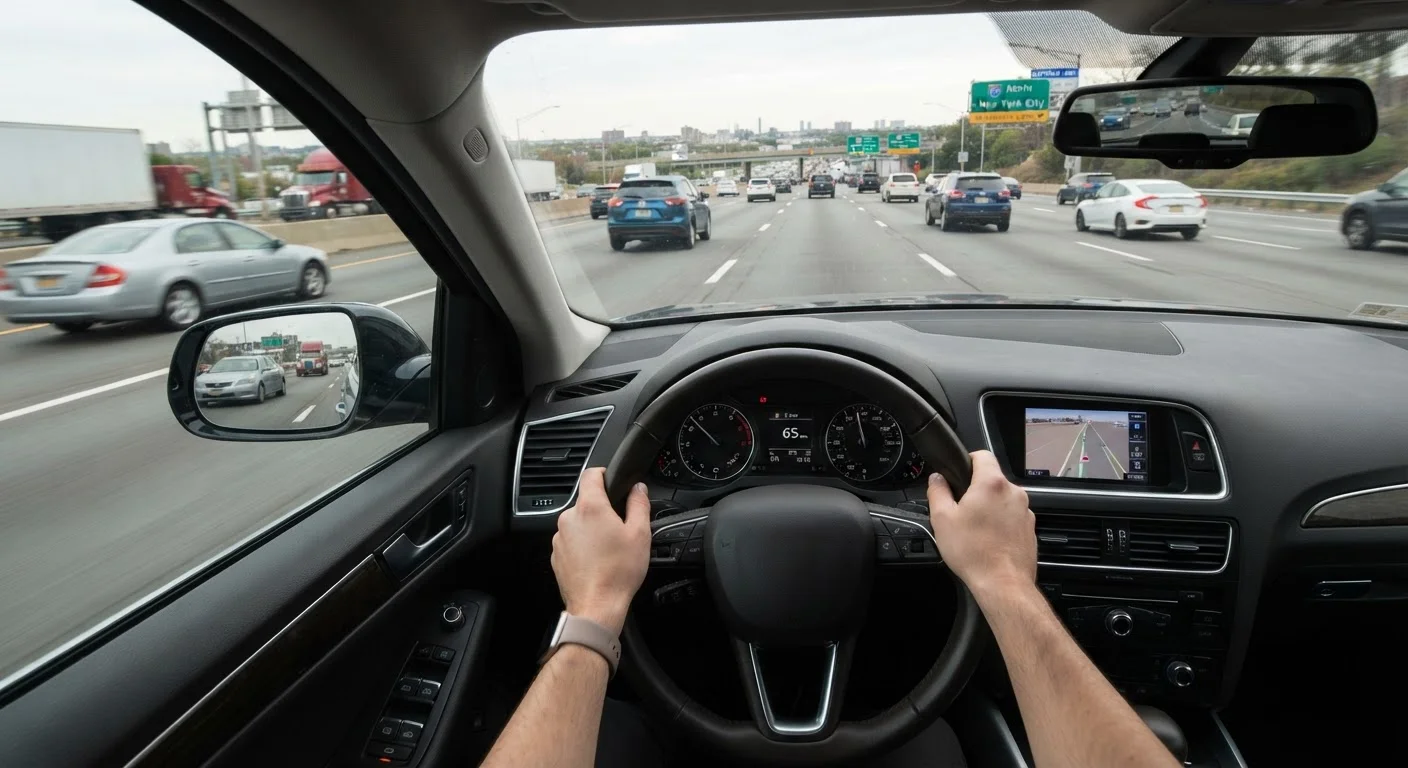
Photo: TheSearchHound.com | One Stop Answer To All Your Questions editorial
Key Takeaways
- Blind spots cannot be fully eliminated by mirrors alone - a proper head check is always necessary.
- Signaling early and matching traffic speed are two of the most impactful habits a driver can build.
- Most lane-change crashes happen not from inexperience, but from predictable, repeatable errors.
- Mirrors adjusted incorrectly dramatically increase your blind-spot exposure during every maneuver.
- Rushing a merge or lane change - especially under pressure - significantly raises crash risk.
Why Lane Changes Cause More Crashes Than Drivers Expect
Lane changes and merges feel routine after years of driving, which is precisely what makes them dangerous. Familiarity breeds complacency, and complacency turns a simple maneuver into a collision risk. According to the National Highway Traffic Safety Administration (NHTSA), lane-change and merge crashes account for a significant share of injury-producing collisions on US highways each year - and the vast majority involve driver error, not mechanical failure.
The core challenge is that these maneuvers require drivers to simultaneously track their own speed, the speeds of surrounding vehicles, their position in the lane, and information from mirrors and over-the-shoulder checks - all in a few seconds. Any one of these steps handled poorly can eliminate the margin for error. Understanding where drivers most commonly fall short is the first step toward eliminating those gaps.
For new license holders, building these habits early is especially valuable before poor technique becomes ingrained.
The Most Common Mistakes - and How to Avoid Them
The errors drivers make during lane changes and merges follow recognizable patterns. Identifying them makes it far easier to self-correct before a mistake becomes a crash.
Failing to signal before changing lanes or merging.
Relying solely on mirrors without performing a head check.
Merging at a speed significantly different from the flow of traffic.
Changing lanes in an intersection or close to one.
Drifting gradually into another lane without committing to the change.
Forcing a lane change into an insufficient gap.
Never Rely on Other Drivers to Make Room
Mirror Setup, Head Checks, and the Limits of Technology
Even drivers who signal and check their mirrors can still get into trouble if those mirrors are adjusted incorrectly. A common setup mistake is angling side mirrors so they show too much of the driver's own vehicle - this feels reassuring but dramatically reduces the coverage area and widens the blind spot. Properly adjusted side mirrors should show only a sliver of your vehicle's flank, with the majority of the view covering adjacent lanes.
~840,000
Annual US lane-change crashes
NHTSA data has consistently shown hundreds of thousands of crashes annually are attributed to improper lane changes and merges on US roads.
~20%
Crashes linked to blind-spot failures
Research published by automotive safety organizations suggests roughly one in five lane-change crashes involves a vehicle in the driver's blind spot going undetected.
Modern vehicles increasingly offer blind-spot monitoring systems, which use radar or cameras to alert drivers to vehicles in adjacent lanes. These are genuinely useful tools, but they are not a substitute for the head check. Sensors can miss motorcycles at certain angles, cyclists, and fast-approaching vehicles. Think of driver-assistance technology as a backup layer, not a primary system. The head check - a brief, deliberate glance over the appropriate shoulder - remains the most reliable confirmation before committing to any lane change.
It's also worth noting that nighttime driving compounds blind-spot risk considerably, since reduced visibility makes it harder to judge vehicle positions even after a head check.
Building Habits That Hold Under Pressure
Safe lane-change technique is easy to execute on a quiet road - the real test is maintaining it when traffic is heavy, you're running late, or another driver is tailgating you. Pressure is the most common trigger for the mistakes listed above. Drivers skip the signal, rush the check, or force a gap that isn't there because they feel they don't have time to do it correctly.
The practical answer is to build a short, repeatable mental routine: signal first, check mirrors, perform the head check, then move - in that order, every time. Routine reduces the cognitive load of the decision, making it easier to execute correctly even when distracted or stressed. It also makes your behavior more predictable to the drivers around you, which is itself a safety benefit. Following too closely by surrounding drivers increases urgency - understanding that dynamic can help you respond more calmly rather than reactively.
If you're interested in how the road environment itself shapes these pressures, road design plays a larger role than most drivers realize in creating conditions where rushed merges are more likely.
The content on this site is provided for informational purposes only and should not be considered a substitute for professional advice. While we strive to provide accurate and up-to-date information, we make no guarantees regarding its completeness or accuracy. Always consult a qualified professional for advice specific to your circumstances before making any decisions.