
The Habits That Separate Consistently Safe Drivers from Everyone Else

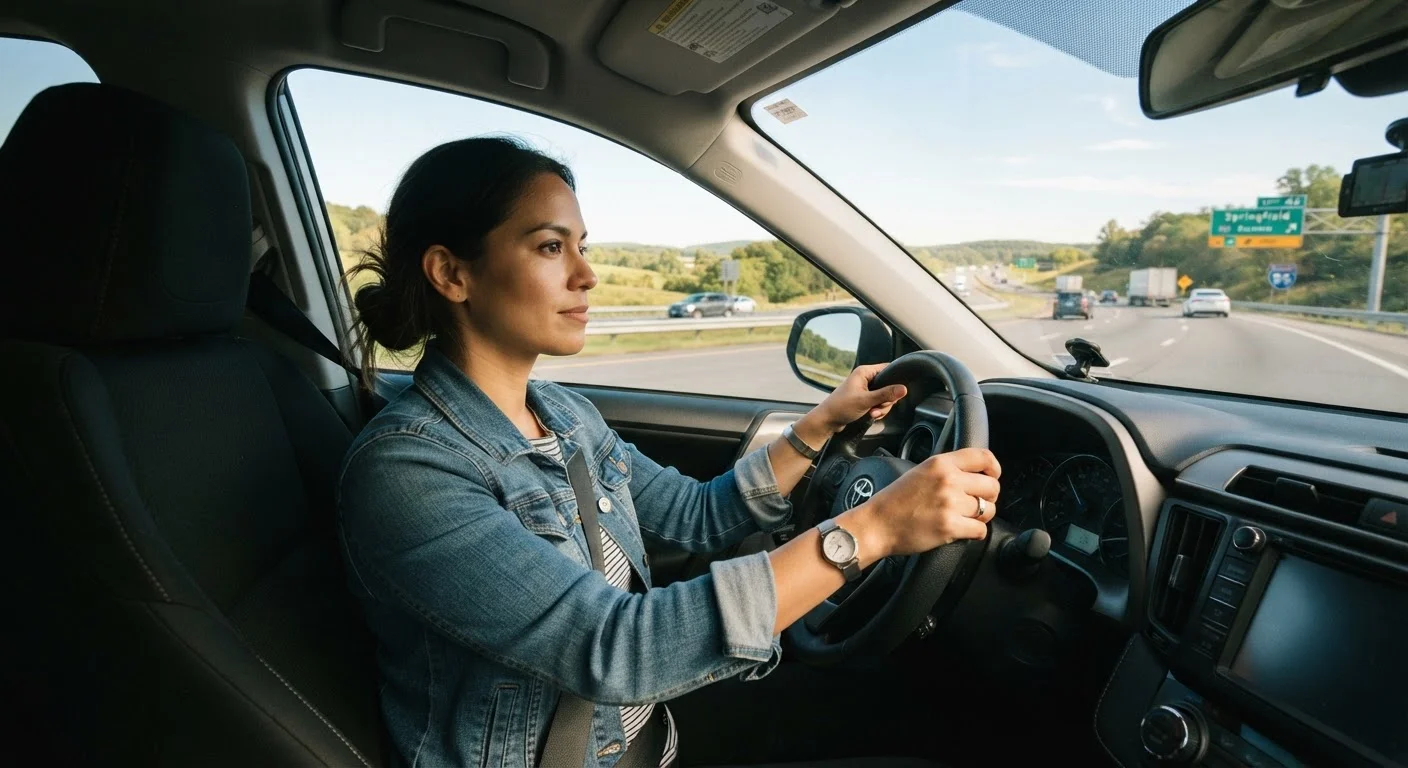
Photo: TheSearchHound.com | One Stop Answer To All Your Questions editorial
Key Takeaways
- Safe drivers actively scan the road ahead rather than reacting to hazards at close range.
- Maintaining a proper following distance is one of the highest-impact habits any driver can build.
- Distraction management - especially phone use - separates low-risk drivers from high-risk ones.
- Vehicle readiness and pre-trip awareness are habits that prevent problems before they start.
- Consistent safe driving is a skill set developed through deliberate practice, not passive experience.
What Safe Drivers Do Differently
Most drivers consider themselves above average - a statistical impossibility that reveals how poorly we assess our own habits behind the wheel. Consistently safe drivers aren't simply luckier or more talented. They practice a specific set of behaviors, deliberately and repeatedly, until those behaviors become automatic.
These habits aren't reserved for professional drivers or advanced training programs. They're accessible to anyone willing to pay attention. Whether you've been driving for two years or twenty, the following practices are worth examining honestly against your own daily routine. You can also explore how these habits stack up against common road safety myths that may be influencing your decisions without you realizing it.
“The goal of defensive driving is not to assume the worst about other drivers, but to give yourself enough time and space that their mistakes don't become your emergency.”
— National Safety Council, U.S. nonprofit organization focused on eliminating preventable deaths
The Core Habits of Low-Risk Drivers
The behaviors below aren't complicated. What distinguishes safe drivers is that they apply them consistently - not just when conditions feel dangerous, but on every trip, including familiar routes at familiar times of day.
Scan at least 12-15 seconds ahead of your vehicle at all times
Maintain a following distance of at least three seconds in normal conditions
Eliminate phone use entirely while the vehicle is in motion
Check mirrors every five to eight seconds to maintain a full picture of surrounding traffic
Perform a brief pre-trip check before every drive
Signal every lane change and turn, regardless of perceived traffic
Quick Actions You Can Take Today
Building safer driving habits doesn't require a complete overhaul. Small, immediate changes create real reductions in risk. Start with the actions below - each one can be implemented on your very next drive.
If you frequently drive with others in the vehicle, it's also worth understanding how passengers affect your attention. Social dynamics inside the car can shift your focus in ways that aren't always obvious.
Why Habits Matter More Than Rules
Traffic laws set a legal floor - a minimum standard of behavior. Safe driving habits go further. A driver who signals out of habit creates predictability for everyone around them. A driver who checks mirrors on a fixed schedule maintains a mental picture of surrounding traffic. These aren't reactive responses; they're proactive systems.
Research into driver behavior consistently finds that experienced low-risk drivers think further ahead than average drivers. Rather than responding to immediate hazards, they anticipate conditions that could become hazardous and adjust early. This is the foundation of defensive driving - a mindset that treats every trip as a series of managed risks rather than a series of reactions.
94%
Crashes involving human choice or error
According to the National Highway Traffic Safety Administration (NHTSA), approximately 94% of serious crashes involve human factors - decisions, errors, or incapacitation.
3-5 sec
Recommended following distance in normal conditions
The three-second rule is a widely accepted guideline taught by driver safety programs across the United States; five or more seconds is recommended in adverse conditions.
4×
Crash risk increase with handheld phone use
Research from the National Safety Council estimates that cell phone use while driving increases crash risk by approximately four times compared to driving without distraction.
It's also worth remembering that safe habits extend beyond the driver's seat. Keeping your vehicle in reliable mechanical condition is part of the picture. Some everyday behaviors - ones drivers rarely think twice about - can quietly degrade your car's systems over time. See our overview of habits that wear down your vehicle for a useful complement to the driving practices covered here.
Safe driving looks different depending on context, too. The awareness and spacing strategies that work on a freeway aren't always the same ones you need navigating city intersections. For a closer look at both environments, the city vs. highway driving safety guide breaks down the distinct demands of each setting.
The content on this site is provided for informational purposes only and should not be considered a substitute for professional advice. While we strive to provide accurate and up-to-date information, we make no guarantees regarding its completeness or accuracy. Always consult a qualified professional for advice specific to your circumstances before making any decisions.