
The Real Cost of Distracted Driving Beyond the Headlines

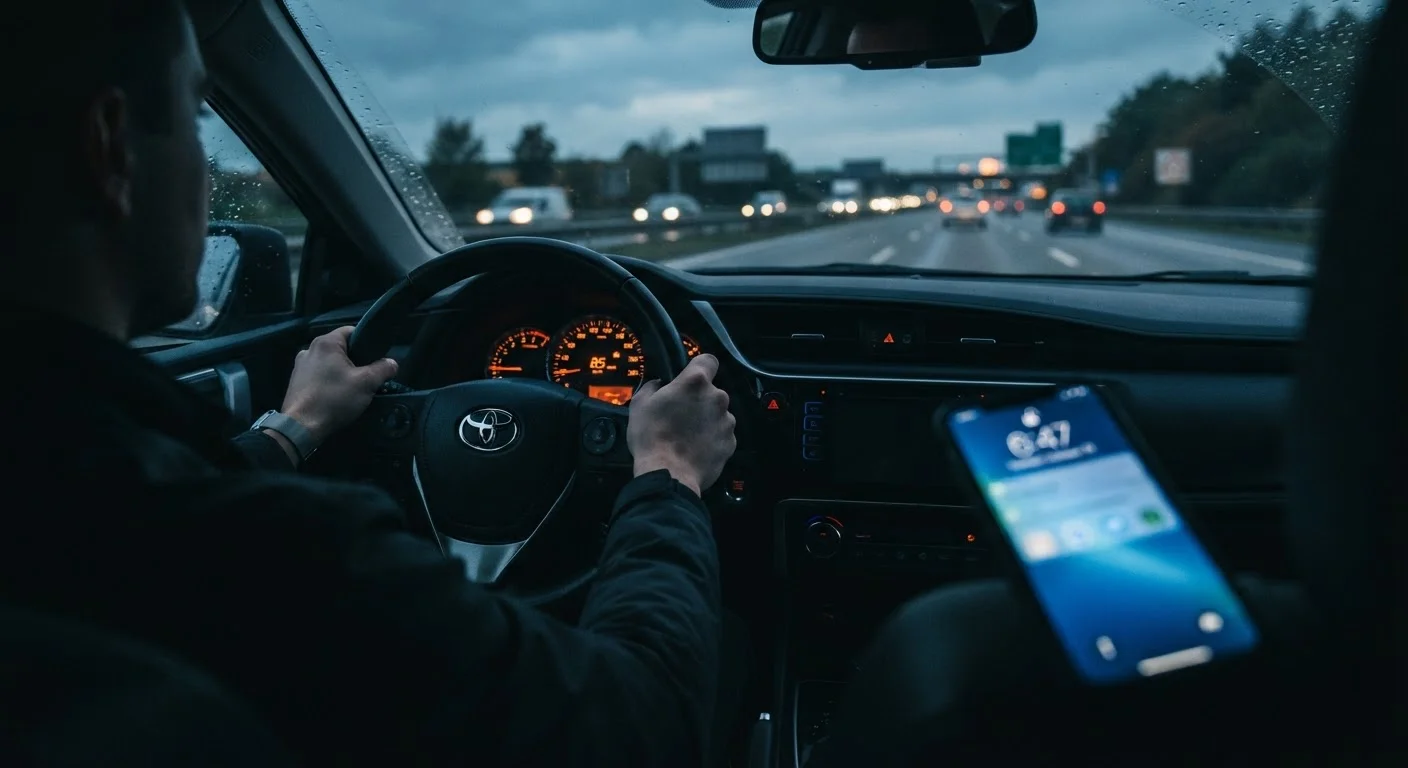
Photo: TheSearchHound.com | One Stop Answer To All Your Questions editorial
Key Takeaways
- Distracted driving involves three distinct types: visual, manual, and cognitive - phone use triggers all three simultaneously.
- Even a 5-second glance at a phone at 55 mph covers the length of a football field with eyes off the road.
- Cognitive distraction persists even after a driver puts their phone down, impairing attention for several seconds.
- Passengers, in-car technology, and internal mental preoccupation are also significant but underappreciated distractions.
- Building deliberate habits - not just avoiding phones - is the most effective long-term safety strategy.
Three Types of Distraction - and Why All Three Matter
Most public messaging about distracted driving centers on smartphones, and for good reason. But reducing the issue to "don't text and drive" understates how many everyday driving behaviors compromise safety.
Researchers and traffic safety agencies categorize driver distraction into three types:
- Visual: Taking your eyes off the road - even briefly - to look at a screen, mirror, GPS, or passenger.
- Manual: Removing one or both hands from the steering wheel to operate a device, adjust controls, or reach for an object.
- Cognitive: Allowing your mental attention to drift from the driving task - through daydreaming, emotional stress, or deep conversation.
What makes smartphone use so particularly dangerous is that it triggers all three types simultaneously. A driver reading or sending a text is visually, manually, and cognitively disengaged at the same time. That layered distraction is why the behavior is disproportionately linked to crash data.
~3,300
US deaths attributed to distracted driving annually
According to the National Highway Traffic Safety Administration (NHTSA), distracted driving claimed approximately 3,308 lives in a recent reporting year.
5 seconds
Average time eyes are off road during a text
The NHTSA estimates that reading or sending a text takes about 5 seconds - enough time to travel the length of a football field at 55 mph with eyes off the road.
27 seconds
Cognitive distraction after voice-texting
Research from the AAA Foundation for Traffic Safety found that cognitive distraction can persist for up to 27 seconds after a driver finishes a voice-texting task.
The Distractions Drivers Tend to Underestimate
Beyond phones, a number of common behaviors quietly undermine driver focus in ways that rarely make headlines.
In-Car Technology
Modern dashboards are packed with touchscreens, infotainment systems, and voice interfaces. While these tools are designed to minimize risk, complex interactions - adjusting navigation, browsing playlists, or troubleshooting a voice command - can impose significant cognitive load. A driver who appears to be looking straight ahead may be mentally occupied with a menu selection.
Passengers
Conversation is a meaningful source of distraction, and group dynamics in the vehicle can compound it. The presence of peers, particularly for younger drivers, has been associated with increased risk-taking. This is explored further in how passenger dynamics affect driver focus.
Cognitive Preoccupation
Stress, emotional upset, and mental fatigue can all draw a driver's mind away from the road without any device involved. This overlaps meaningfully with drowsy driving - a related impairment covered in detail in recognizing the signs of driver fatigue.
Why Partial Attention Isn't Enough
A persistent myth is that skilled multitaskers can safely split attention between driving and a secondary task. The cognitive science does not support this. Driving demands continuous, rapid processing of changing information - road geometry, other vehicles, pedestrians, signs, and weather. That processing is serial, not truly parallel.
When attention is divided, the brain rapidly switches between tasks rather than handling them simultaneously. Each switch introduces a brief lag. In a vehicle traveling at highway speeds, even a fraction-of-a-second lag in perceiving a hazard translates to meaningful additional stopping distance. This compounds the risk discussed in following distance and stopping distances - a distracted driver already needs more room to react safely.
“Drivers should understand that there is no such thing as safe multitasking behind the wheel. The human brain does not truly do two things at once - it switches between them, and that switching has real costs on the road.”
— David Strayer, Cognitive psychologist and distracted driving researcher at the University of Utah
Reduced visibility scenarios - night driving, poor weather - add another layer of demand, leaving even less cognitive bandwidth available. For more on that interaction, see what makes night driving harder and how to adjust.
Building Safer Habits That Actually Stick
Avoiding distraction isn't purely about willpower in the moment - it's about reducing friction before the drive starts. A few practical approaches:
- Phone setup before moving: Set navigation, select music, and enable Do Not Disturb before putting the vehicle in gear. This eliminates the need to interact with a device once underway.
- Designate the passenger role: When traveling with others, passengers can manage navigation and controls - reducing the cognitive burden on the driver.
- Pull over for complex tasks: If a call, message, or route change genuinely can't wait, find a safe place to stop entirely rather than managing it at speed.
- Recognize mental state before driving: Emotional distress or exhaustion impairs cognitive focus before a single distraction occurs. Taking a few minutes to settle - or delaying a trip - can matter.
These habits pair well with other attention-preserving behaviors covered in vehicle habits that affect long-term safety and condition.
Set Up Your Drive Before You Move
Frequently Asked Questions
The content on this site is provided for informational purposes only and should not be considered a substitute for professional advice. While we strive to provide accurate and up-to-date information, we make no guarantees regarding its completeness or accuracy. Always consult a qualified professional for advice specific to your circumstances before making any decisions.