
Owning Older Homes: Maintenance Realities vs. Common Assumptions

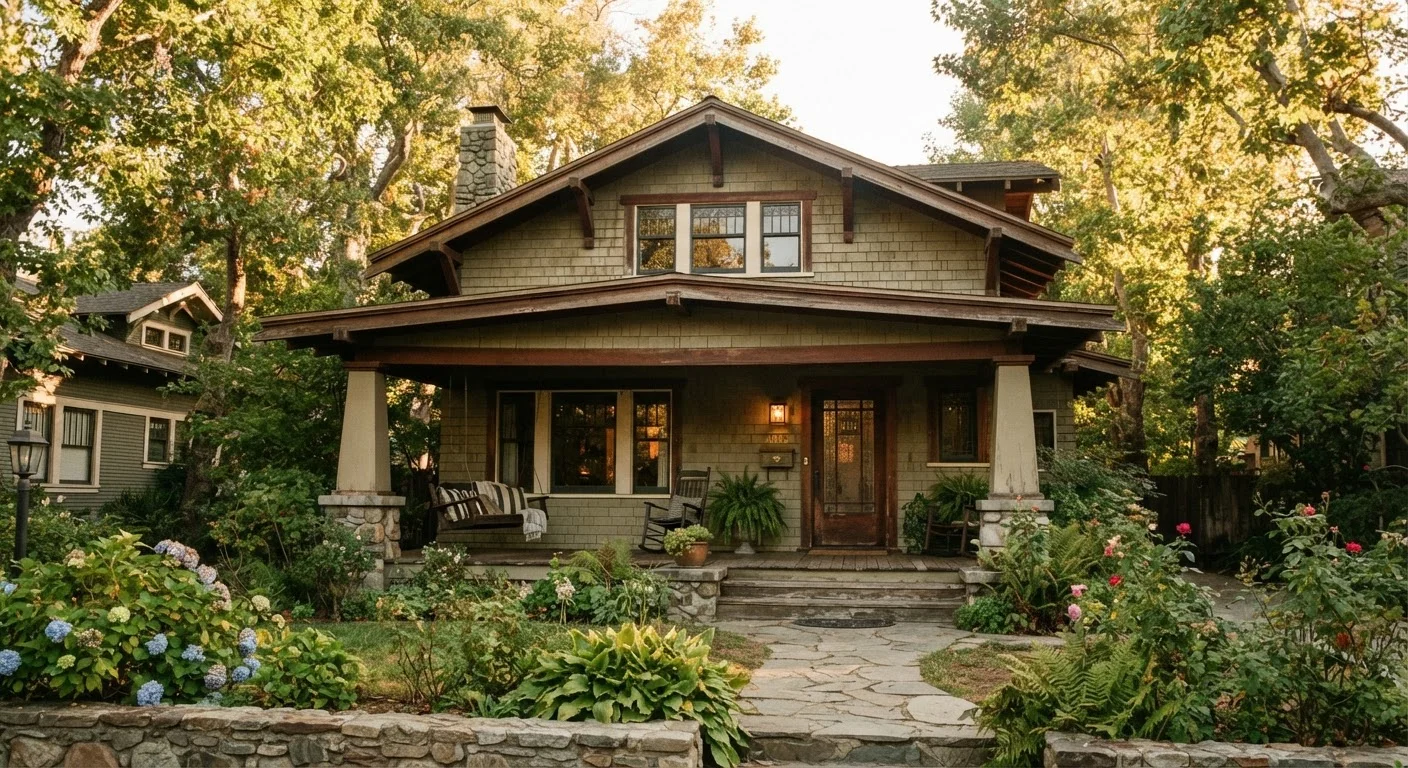
Photo: TheSearchHound.com | One Stop Answer To All Your Questions editorial
Key Takeaways
- Older homes often use materials and construction methods that are no longer up to current building codes.
- Routine inspections of plumbing, wiring, and roofing are especially critical in pre-1980s homes.
- Solid bones and craftsmanship are genuine advantages, but hidden systems failures can be costly surprises.
- Proactive, seasonal maintenance is the most reliable way to protect your investment in an older home.
- Some repairs in older homes require licensed professionals due to hazardous materials or code requirements.
Built with durable, high-quality materials
Old-growth lumber, solid plaster, and thick masonry were common in pre-war and mid-century construction. These materials often outperform modern equivalents in density and longevity when properly maintained.
Established neighborhood character and lot size
Older homes typically sit on larger lots in mature neighborhoods with established trees, sidewalks, and community infrastructure that newer developments may lack for years.
Architectural details rarely replicated today
Crown molding, original hardwood floors, built-in cabinetry, and craftsman millwork are genuinely difficult to reproduce at original quality - and add lasting aesthetic value.
Renovation history often improves core systems
Many older homes have already had plumbing, electrical, or HVAC updated by previous owners, which can mean modern infrastructure inside a classic structure.
Proven structural performance over decades
A home that has stood for 70 or more years has already weathered numerous seasonal cycles, settling, and local weather events - its structural performance is a known quantity.
Aging electrical systems pose safety risks
Homes built before the 1970s may have knob-and-tube or aluminum wiring that doesn't meet current safety standards and can be a fire or shock hazard if left unaddressed.
Plumbing materials may be past service life
Galvanized steel pipes corrode from the inside out, reducing water pressure and eventually failing. Lead service lines, still present in some older homes, require prompt evaluation and possible replacement.
Hazardous materials require professional handling
Asbestos in insulation, floor tiles, or duct wrap - and lead paint on surfaces - are common in pre-1980 homes and must be assessed and remediated by licensed professionals before disturbing them.
Energy inefficiency raises ongoing utility costs
Original single-pane windows, minimal wall insulation, and older HVAC systems often result in significantly higher heating and cooling costs compared to homes built to modern energy codes.
Deferred repairs by previous owners accumulate
Older homes may have layers of partial repairs, improper DIY fixes, or outdated materials that mask underlying problems - making a thorough pre-purchase or annual inspection essential.
Roofing and drainage systems may be near end of life
An older roof can look acceptable from the street while concealing deteriorated flashing, failing underlayment, or compromised decking that only becomes apparent after a significant weather event.
What 'Older Home' Really Means for Maintenance
When home inspectors and contractors refer to an older home, they typically mean one built before 1980 - though the maintenance implications can vary significantly depending on whether the home is from the 1950s, 1920s, or earlier. Age alone doesn't determine condition, but it does shape what systems are present, how they were installed, and which materials are doing the work behind your walls and under your floors.
Pre-modern construction used materials and methods that were standard at the time but are now recognized as either hazardous, inefficient, or simply past their service life. Lead paint, asbestos insulation, galvanized steel pipes, and knob-and-tube wiring are examples commonly found in homes built before the mid-20th century. If you're newer to homeownership, the essential systems overview for first-time homeowners is a useful starting point for understanding what to inspect and when.
The key mindset shift for older home owners is this: maintenance isn't reactive - it's anticipatory. Knowing which systems are most likely to need attention, and in what timeframe, helps you plan and budget rather than scramble.
The Genuine Advantages of Older Home Ownership
It's easy for caution to overshadow the real strengths that older homes bring to the table. Many were built with materials that are simply no longer used at scale - old-growth lumber, solid plaster walls, and thick masonry construction that performs well over decades when properly maintained.
Built with durable, high-quality materials
Old-growth lumber, solid plaster, and thick masonry were common in pre-war and mid-century construction. These materials often outperform modern equivalents in density and longevity when properly maintained.
Established neighborhood character and lot size
Older homes typically sit on larger lots in mature neighborhoods with established trees, sidewalks, and community infrastructure that newer developments may lack for years.
Architectural details rarely replicated today
Crown molding, original hardwood floors, built-in cabinetry, and craftsman millwork are genuinely difficult to reproduce at original quality - and add lasting aesthetic value.
Renovation history often improves core systems
Many older homes have already had plumbing, electrical, or HVAC updated by previous owners, which can mean modern infrastructure inside a classic structure.
Proven structural performance over decades
A home that has stood for 70 or more years has already weathered numerous seasonal cycles, settling, and local weather events - its structural performance is a known quantity.
Neighborhoods with older housing stock also tend to be more established, with mature landscaping, stable lot sizes, and infrastructure that has been tested over time. For buyers weighing their options, the trade-offs between new construction and existing homes are worth understanding in full before deciding.
The Real Maintenance Challenges You Should Expect
Owning an older home without a clear-eyed understanding of its challenges is where costly surprises begin. The issues below aren't reasons to avoid older homes - they're reasons to go in prepared.
Aging electrical systems pose safety risks
Homes built before the 1970s may have knob-and-tube or aluminum wiring that doesn't meet current safety standards and can be a fire or shock hazard if left unaddressed.
Plumbing materials may be past service life
Galvanized steel pipes corrode from the inside out, reducing water pressure and eventually failing. Lead service lines, still present in some older homes, require prompt evaluation and possible replacement.
Hazardous materials require professional handling
Asbestos in insulation, floor tiles, or duct wrap - and lead paint on surfaces - are common in pre-1980 homes and must be assessed and remediated by licensed professionals before disturbing them.
Energy inefficiency raises ongoing utility costs
Original single-pane windows, minimal wall insulation, and older HVAC systems often result in significantly higher heating and cooling costs compared to homes built to modern energy codes.
Deferred repairs by previous owners accumulate
Older homes may have layers of partial repairs, improper DIY fixes, or outdated materials that mask underlying problems - making a thorough pre-purchase or annual inspection essential.
Roofing and drainage systems may be near end of life
An older roof can look acceptable from the street while concealing deteriorated flashing, failing underlayment, or compromised decking that only becomes apparent after a significant weather event.
When to Schedule a Professional Inspection
Deferred maintenance compounds quickly in older homes. Small issues - a slow roof leak, a corroding supply line, a crack in the foundation parging - rarely stay small. The true cost of skipping routine maintenance is worth reviewing to understand how quickly neglected tasks escalate.
Where DIY Ends and Professional Help Begins
One of the more difficult judgment calls for older home owners is knowing when to tackle a repair yourself and when to bring in a licensed professional. The answer changes with the age and condition of the home's systems.
~40%
U.S. homes built before 1970
According to U.S. Census Bureau housing data, roughly 40% of the American housing stock was built before 1970, making older-home maintenance a widespread and practical concern.
$500-$3,000+
Typical range for electrical panel upgrades
Electrical panel replacement costs vary widely by region, home size, and local labor rates; always obtain multiple quotes from licensed electricians and verify permit requirements.
In general, cosmetic work - painting, patching drywall, refinishing floors - remains accessible to capable DIYers. But older homes often present situations where what looks like a surface problem has deeper roots. A water stain on a ceiling might be a simple flashing issue or might indicate years of slow rot in the sheathing above. Similarly, swapping out a light fixture in a home with aging wiring can expose unsafe conditions that require a licensed electrician to resolve safely.
Tasks involving electrical panels, gas lines, load-bearing structures, or materials like asbestos should always be handled by licensed, qualified professionals - and may require permits in your jurisdiction. Our overview of tasks that are harder to DIY than they appear walks through the most common scenarios where homeowners underestimate complexity.
When in doubt, a diagnostic consultation with a licensed contractor costs far less than correcting a repair that was done incorrectly. For roofing specifically - a high-stakes system in any home - understanding common roofing myths can prevent well-intentioned decisions from causing real damage.
The content on this site is provided for informational purposes only and should not be considered a substitute for professional advice. While we strive to provide accurate and up-to-date information, we make no guarantees regarding its completeness or accuracy. Always consult a qualified professional for advice specific to your circumstances before making any decisions.