
Grass Seed vs. Sod: Which Path to a New Lawn Actually Makes Sense

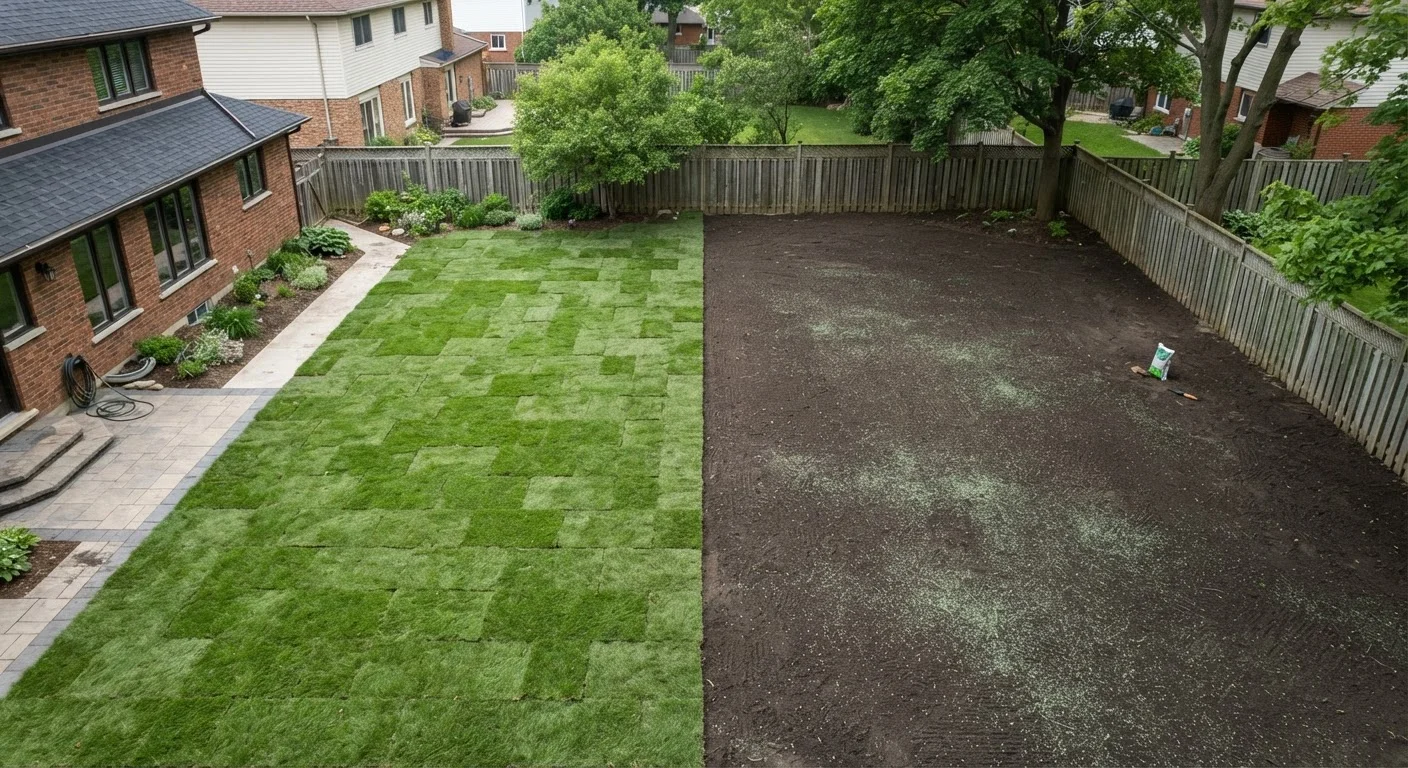
Photo: TheSearchHound.com | One Stop Answer To All Your Questions editorial
Key Takeaways
- Grass seed typically costs significantly less per square foot than sod, but requires more patience before use.
- Sod provides near-instant ground cover and is more effective at preventing soil erosion on slopes.
- Seeding works best when timed to the grass variety's natural growing season.
- Sod installation requires careful soil preparation and consistent watering to prevent the seams from dying.
- Long-term lawn quality depends more on soil health and maintenance than on which establishment method you choose.
- Both methods demand proper soil testing and grading before any seed or turf is laid.
Understanding What Each Method Actually Involves
Starting a lawn from grass seed means spreading dormant seeds over prepared soil and giving them time to germinate, root, and fill in. The process is straightforward, but it demands patience - most cool-season grasses take two to four weeks to germinate, and a newly seeded lawn generally isn't ready for regular use for at least two months. Timing matters enormously: cool-season grasses like fescue and bluegrass establish best when seeded in late summer or early fall, while warm-season grasses like Bermuda or zoysia prefer late spring.
Sod, by contrast, is mature grass grown on a farm and harvested in rolls or slabs with a thin layer of soil attached. You're essentially transplanting an established lawn. The root system needs time to knit into your soil - typically two to six weeks - but the surface looks finished almost immediately. That speed comes with tradeoffs in cost and physical effort. Before you decide, it's worth reading our guide to mapping your yard before planting, which covers drainage, soil quality, and sunlight - factors that matter for both methods.
Cost and Labor: The Real Difference
Cost is one of the clearest dividing lines. Grass seed generally runs a few cents to under a dollar per square foot depending on the variety, while sod typically costs several times more when you factor in the material itself plus delivery and, if applicable, professional installation. For a modest-sized lawn of a few thousand square feet, that gap can translate to a significant difference in total project cost.
Labor is its own consideration. Seeding requires soil tilling, grading, spreading, light raking, and consistent watering - manageable work spread over an afternoon. Sod requires the same soil prep, but then involves unrolling heavy, perishable material quickly (sod left sitting can die within 24 to 48 hours in warm weather), cutting pieces to fit edges, and keeping seams tight. Many homeowners hire help for large sod jobs. Once established, ongoing costs are similar - both lawns benefit from the same mowing, fertilizing, and careful fertilizer management practices.
| Criterion | Grass Seed | Sod |
|---|---|---|
| Upfront cost | Low (cents per sq ft) | High (several times more) |
| Time to usable lawn | 8-12 weeks typically | 2-3 weeks typically |
| Physical labor | Moderate | High (heavy, time-sensitive) |
| Erosion control | Poor until established | Immediate |
| Grass variety options | Very wide selection | Limited to what's farmed |
| Best season to install | Varies by grass type | Spring through early fall |
| DIY-friendliness | Beginner-accessible | Manageable with help |
Watering Demands After Installation
Both methods require consistent moisture after installation, but the stakes differ. Newly seeded soil must stay lightly moist until germination is complete - often requiring light watering once or twice daily during dry weather. Letting the seedbed dry out before germination can mean starting over.
Sod is less forgiving in a different way: the roots must be encouraged to grow downward into your native soil. Overwatering causes fungal problems; underwatering causes the seams to brown and die before rooting occurs. In either case, a reliable irrigation setup helps considerably. Our comparison of drip irrigation versus sprinkler systems can help you think through what suits your yard's layout. Once established, both lawns benefit from the same deep, infrequent watering approach - and it's worth reviewing common watering myths before you develop any habits.
2-4 weeks
Typical grass seed germination window
Germination timing varies by species, soil temperature, and moisture; cool-season grasses generally germinate faster in soil temperatures of 50-65°F.
2-6 weeks
Time for sod roots to knit into native soil
University extension programs commonly cite this range depending on soil preparation quality, grass species, and watering consistency after installation.
5-10x
Approximate cost difference: sod vs. seed
Per-square-foot costs vary widely by region and grass type; this range reflects general estimates across common residential scenarios.
Long-Term Results and Soil Health
Over time, a well-seeded lawn often develops a stronger relationship with the native soil because the roots grow directly into it from the start. Sod, because it arrives with its own layer of growing medium, can sometimes create a slight interface layer where the sod soil and native soil meet - which may slow drainage or rooting if the two soil types are very different. Matching your soil texture to the sod's growing medium, or topdressing with compost, can mitigate this.
Regardless of method, the single biggest predictor of long-term lawn health is soil quality. A soil test before you begin - checking pH, organic matter, and nutrient levels - helps you correct deficiencies before they become expensive problems. Adding compost during soil preparation benefits both seeded and sodded lawns. Mulching garden borders can help define edges and suppress weeds; our overview of mulch types and their effects on soil is a useful companion read once your lawn is in place.
Don't Skip the Soil Test
The content on this site is provided for informational purposes only and should not be considered a substitute for professional advice. While we strive to provide accurate and up-to-date information, we make no guarantees regarding its completeness or accuracy. Always consult a qualified professional for advice specific to your circumstances before making any decisions.