
Mulch Types and What Each One Actually Does for Your Soil

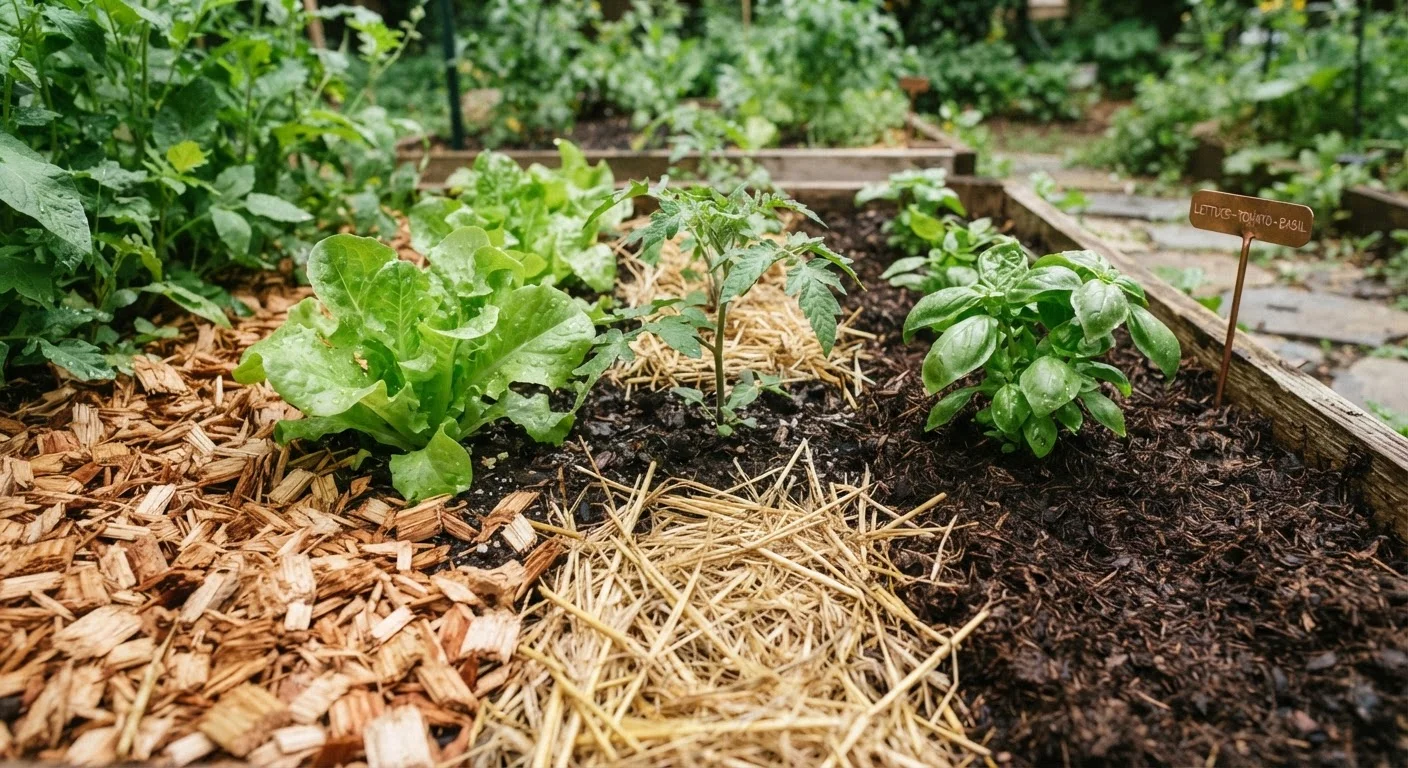
Photo: TheSearchHound.com | One Stop Answer To All Your Questions editorial
Key Takeaways
- Organic mulches like wood chips and straw break down over time, gradually improving soil structure and fertility.
- Inorganic mulches such as rubber or gravel don't feed the soil but offer long-lasting weed suppression and moisture retention.
- Mulch depth matters: too thin and it won't suppress weeds; too thick and it can suffocate roots or invite rot.
- The right mulch depends on your plant type, local climate, water goals, and whether you want to build soil health.
- Some mulches, like fresh wood chips, can temporarily affect soil nitrogen - understanding this helps you avoid common mistakes.
Why Mulch Is More Than Just a Finishing Touch
Many gardeners apply mulch because it looks tidy. But mulch does far more than neaten a bed. It regulates soil temperature, slows moisture loss, suppresses weed germination, and - depending on the type - actively builds soil over time. Understanding what's happening beneath that layer is what separates a garden that just looks good from one that actually thrives.
The key distinction to grasp first is organic vs. inorganic. Organic mulches are derived from plant material and decompose gradually, feeding soil organisms and improving soil structure. Inorganic mulches - rubber, gravel, landscape fabric - are essentially permanent and contribute nothing biologically to the soil. Neither category is inherently better; they solve different problems.
Before choosing, it helps to think through your goals. If you're working on planning your garden layout, mulch selection belongs in that same early conversation - not an afterthought.
Organic Mulch Options: What They Do and Where They Work
Wood chips and bark mulch are the most widely used organic options. Coarse wood chips are excellent around trees and shrubs - they break down slowly, regulate soil temperature, and support fungal networks that benefit root systems. Finely shredded bark works similarly but decomposes faster. One nuance worth knowing: fresh, high-carbon wood chips layered directly into planting soil can temporarily tie up available nitrogen as microbes work to break them down. Applied on top of the soil surface, however, this effect is minimal for most established plants.
Straw is a standby for vegetable gardens. It's light, easy to move between rows, breaks down within a season, and keeps soil from splashing onto plant leaves during rain - which helps reduce disease spread. Note that straw is not hay; hay contains seeds that can germinate and become weeds.
Shredded leaves are a free, underused resource. They break down quickly, improve soil texture, and earthworms love them. Whole leaves can mat together and block water, so shredding is important. Leaf mulch pairs naturally with a home composting system - what doesn't go in the pile can go on the beds.
Compost used as mulch is highly nutritious for soil but breaks down so quickly it needs frequent replenishment. It's best used as a thin layer blended with a longer-lasting mulch above it.
| Wood Chips | Straw | Shredded Leaves | Gravel/Stone | Rubber Mulch | |
|---|---|---|---|---|---|
| Improves soil over time | Yes, slowly | Yes, within a season | Yes, quickly | No | No |
| Weed suppression | Strong | Moderate | Moderate | Strong | Strong |
| Moisture retention | Good | Good | Good | Moderate | Good |
| Best suited for | Trees & shrubs | Vegetable beds | All garden beds | Pathways & rock gardens | Play areas |
| Replenishment needed | Every 1-3 years | Every season | Every season | Rarely | Every 5-10 years |
| Cost (general) | Low to moderate | Low | Free (DIY) | Moderate to high | Moderate to high |
Inorganic Mulch Options: Durable but Different
Gravel and stone are low-maintenance choices suited to rock gardens, drought-tolerant plantings, and permanent landscape features. They don't break down, don't need replenishing, and drain well. The tradeoff: they absorb and radiate heat, which can stress plants in hot climates and do nothing to improve soil biology. They're also difficult to remove once installed if you change your mind.
Rubber mulch, typically made from recycled tires, is durable and often used in play areas. In garden beds, it suppresses weeds and retains moisture, but it adds no organic value and some gardeners have concerns about leaching over time in food-growing areas. Most horticulture professionals suggest keeping rubber mulch away from edible gardens.
Keep Mulch Away From Plant Stems
Whatever type you choose, depth matters. A 2-to-4-inch layer is the general target for most organic mulches - enough to suppress weeds and hold moisture without creating a barrier that blocks water or encourages rot near plant stems. Keep mulch a few inches away from the base of trunks and stems.
Matching Mulch to Your Specific Situation
Mulch interacts with your soil's existing chemistry. If you're working in acidic conditions or trying to understand nutrient availability, reading up on soil pH and how it affects your plants will help you anticipate how different mulches might shift that balance over time. Pine bark, for example, tends to be slightly acidic - useful around blueberries and azaleas, but potentially worth monitoring in beds that need a neutral pH.
In shaded yards, where moisture retention is already high and light is limited, a lighter mulch layer and more breathable materials like shredded leaves often work better than dense bark. For ideas on managing those spaces, see our guide to shade gardening strategies.
For raised beds, where soil management is more controlled, thinner mulch layers are usually sufficient - the contained environment already limits many of the weed and moisture challenges mulch is meant to solve. Learn more in our overview of raised bed gardening.
Ultimately, mulch is one of the simplest, highest-return investments a gardener can make - as long as the type matches the goal. Apply it thoughtfully, replenish organic types as they break down, and your soil will do the rest.
The content on this site is provided for informational purposes only and should not be considered a substitute for professional advice. While we strive to provide accurate and up-to-date information, we make no guarantees regarding its completeness or accuracy. Always consult a qualified professional for advice specific to your circumstances before making any decisions.